Issue 153

Ukraine Is Reaching Deeper Into Russia’s Space Launch Architecture

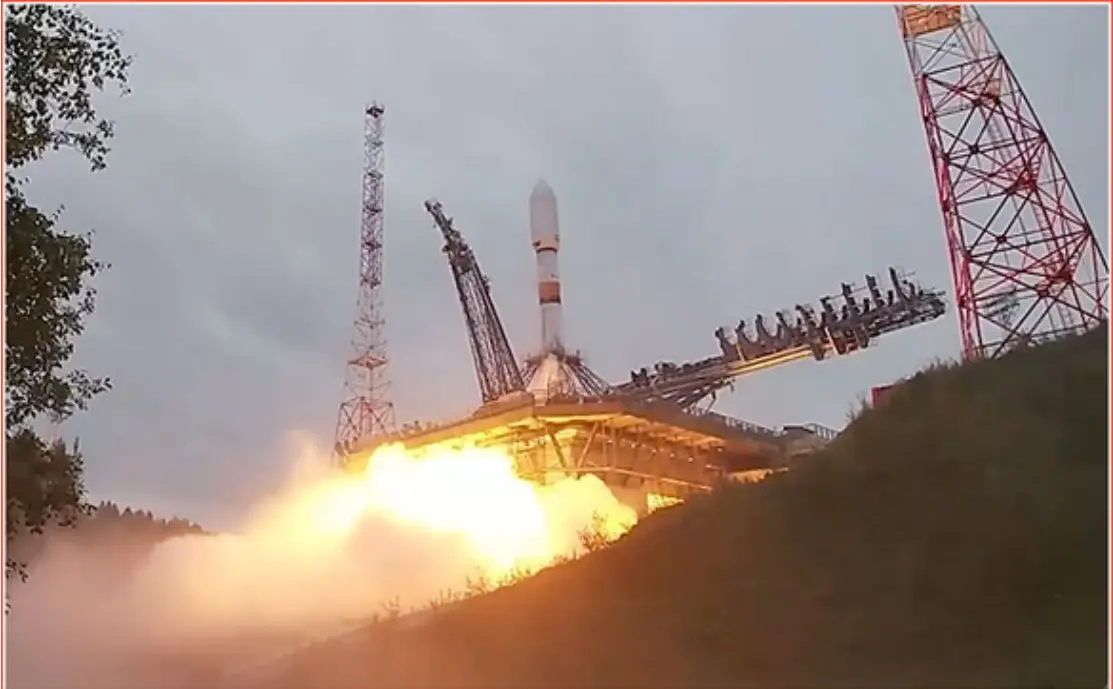
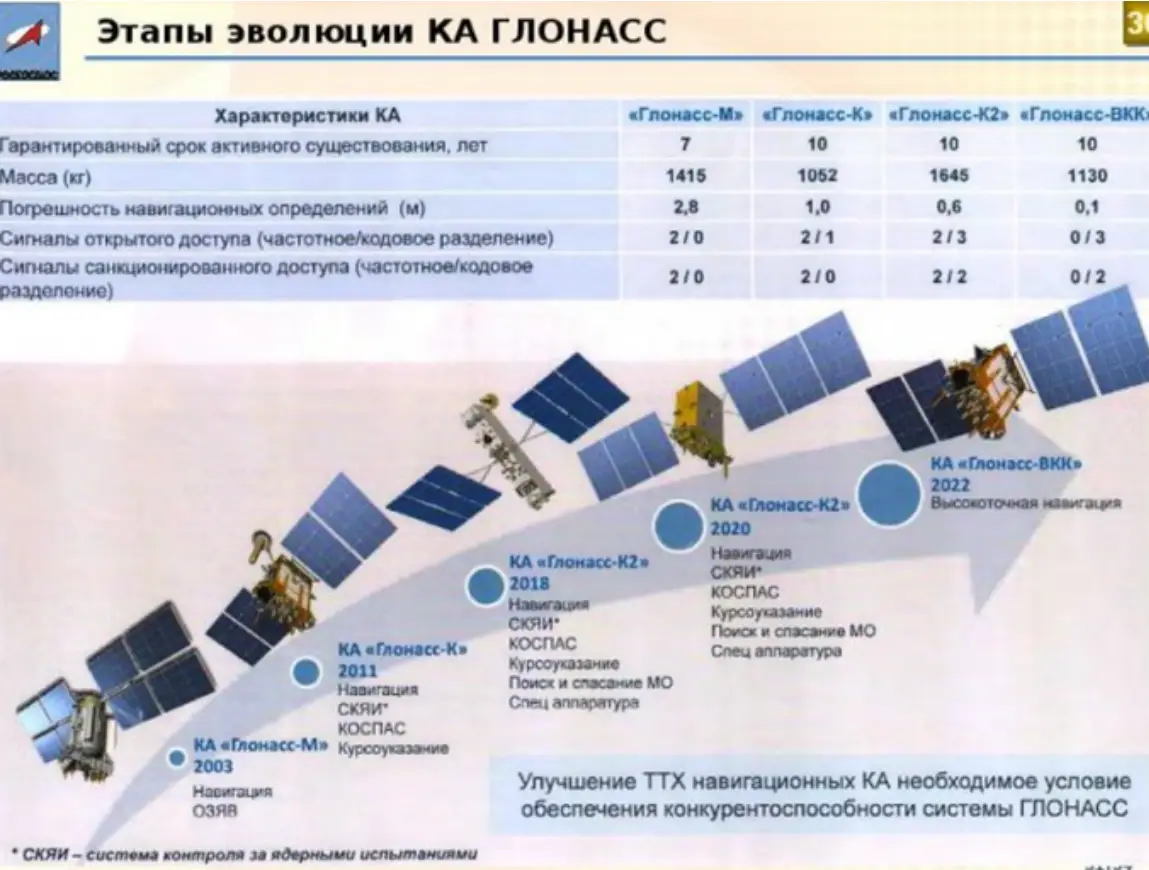
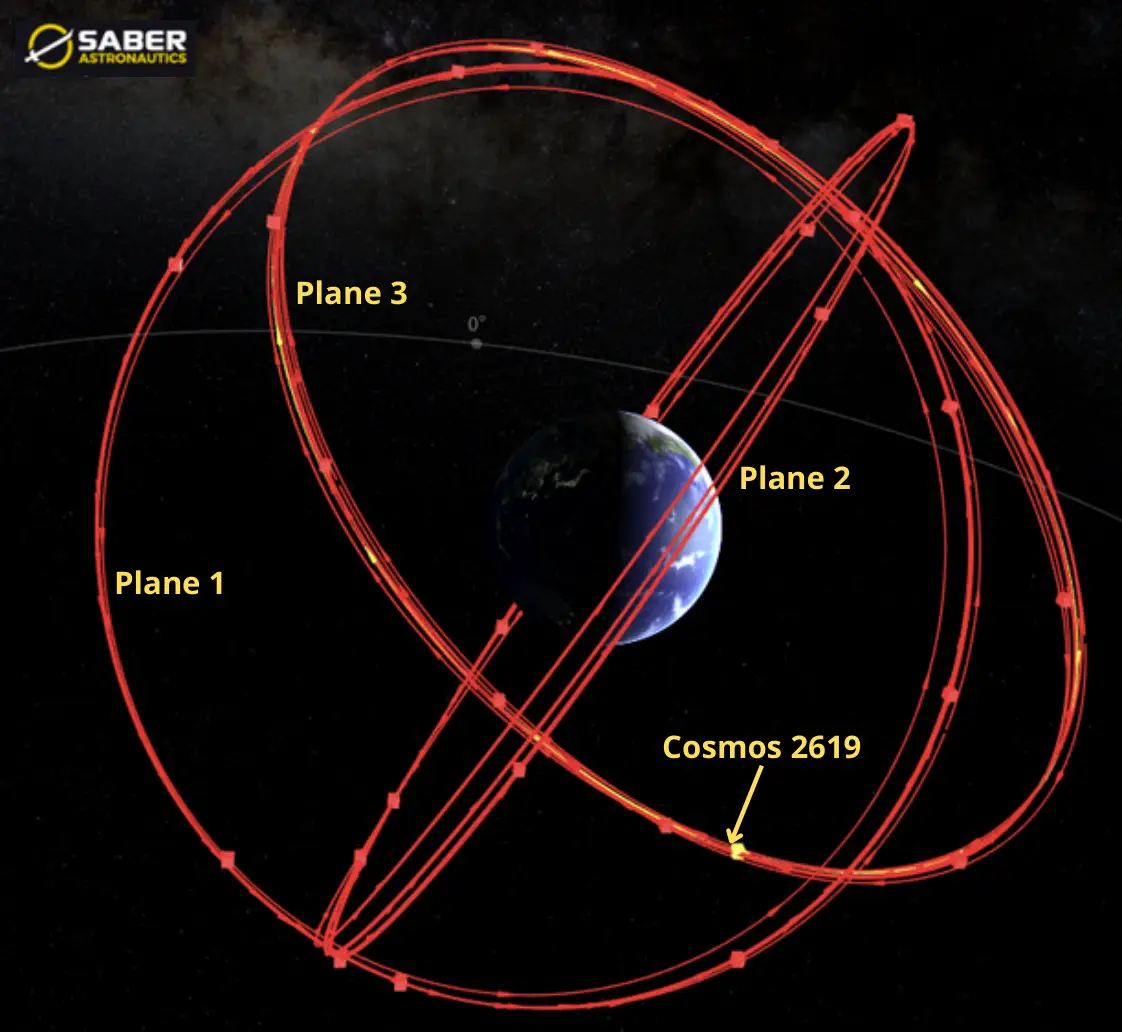
On August 23, Russian authorities reported Ukrainian drones operating over Arkhangelsk Oblast, home to Plesetsk Cosmodrome. Open-source reporting placed the activity in the vicinity of Plesetsk Cosmodrome less than a day before Russia successfully launched a Soyuz-2.1b/Fregat carrying a GLONASS navigation satellite. Ukraine has not publicly confirmed Plesetsk as the target, and there is no confirmed physical damage to the cosmodrome. What is significant is that Ukrainian long-range platforms were operating near one of Russia’s primary military space launch facilities during a period of active launch preparations.

All three publicly reported attempts involving Plesetsk appear to have been timed around launch activity. Anatoly Zak described three attempts occurring when a fueled rocket was on the pad or approaching launch, including the December 25, 2025 Obzor-R mission, the March 23, 2026 Rassvet launch, and the August activity preceding the GLONASS mission.

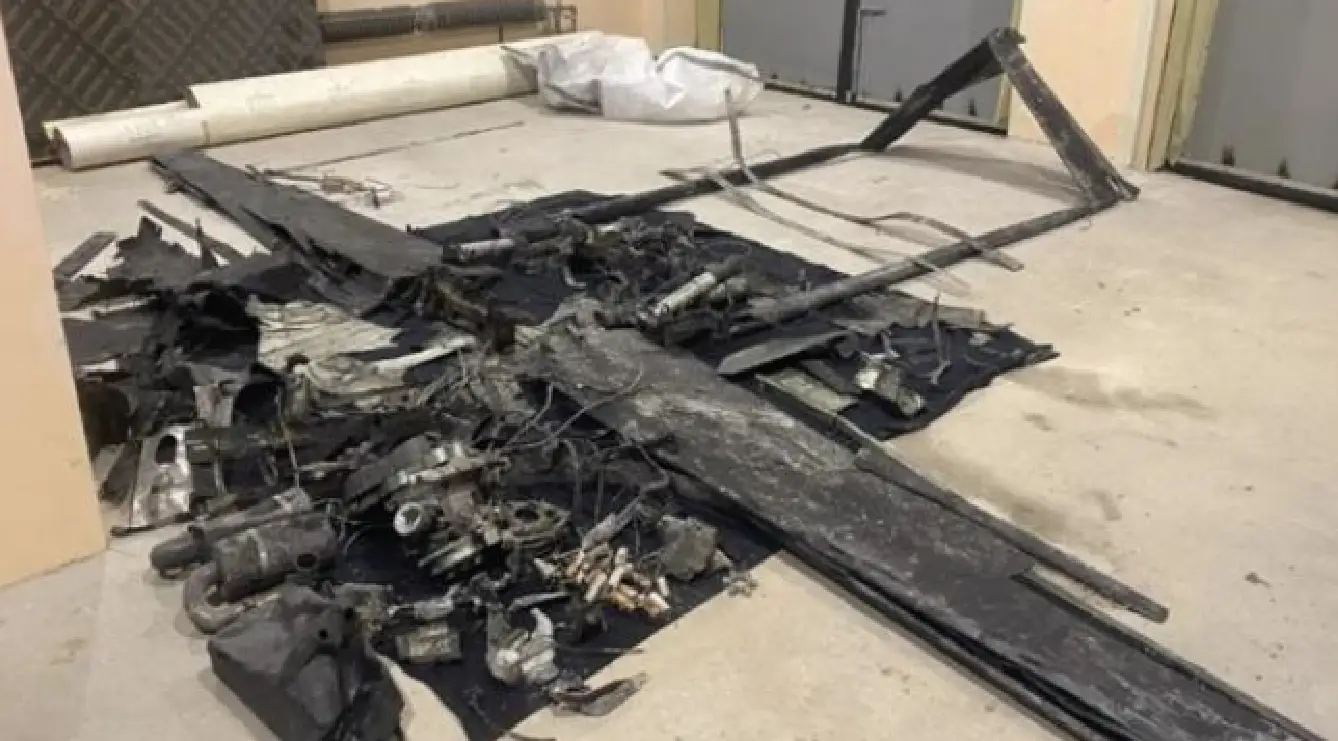
“According to local press reports, a drone attack on Plesetsk was repelled on the day of the Obzor-R launch on December 25, 2025. Local authorities later released a picture of one of the downed drones, thanking local residents for having timely warned them of the attack.” –Bart Hendrickx (nasaspaceflight.com)

The effect does not require a successful strike. The presence of drones in the vicinity of the cosmodrome could be enough to delay a launch, interrupt final preparations, force additional security measures, or hold personnel and equipment in a protective posture while the threat is assessed. Those delays matter because assured access to space depends not only on having rockets and launch pads, but on being able to use them when required. In that sense, capability can be degraded without anything being permanently destroyed.

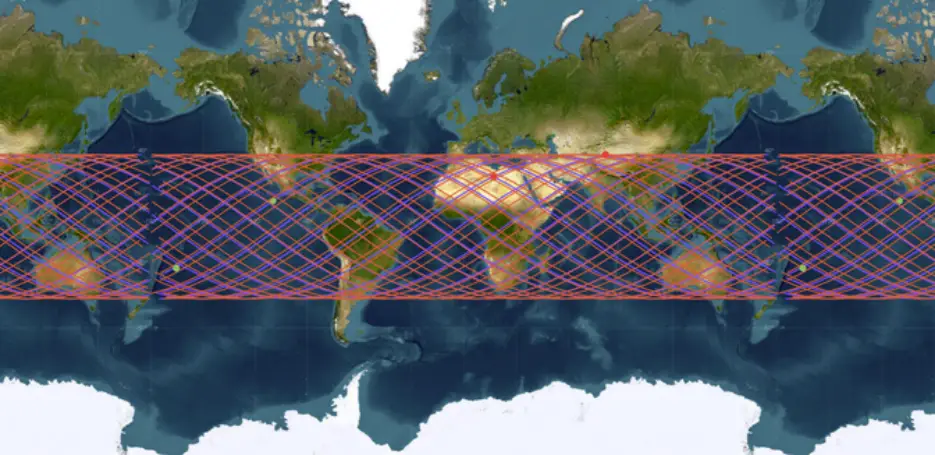
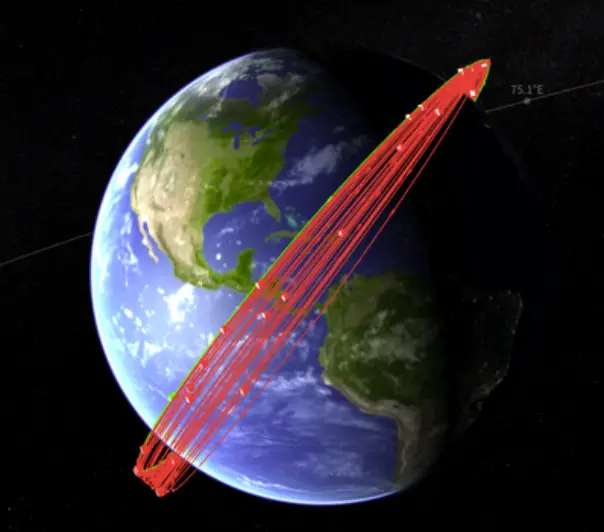
By July, the pattern had become even less precise. Warnings associated with the second Rassvet mission used 24-hour windows, while additional notices with partially overlapping periods were consistent with as many as four separate launch profiles. Bart Hendrickx identified trajectories associated with Soyuz launches to roughly 63-, 82-, and 97–98-degree inclinations, along with a possible Yars ICBM flight. RussianSpaceWeb assessed that the broader and overlapping warnings were intended to complicate prediction of both the actual launch time and the fueling period.

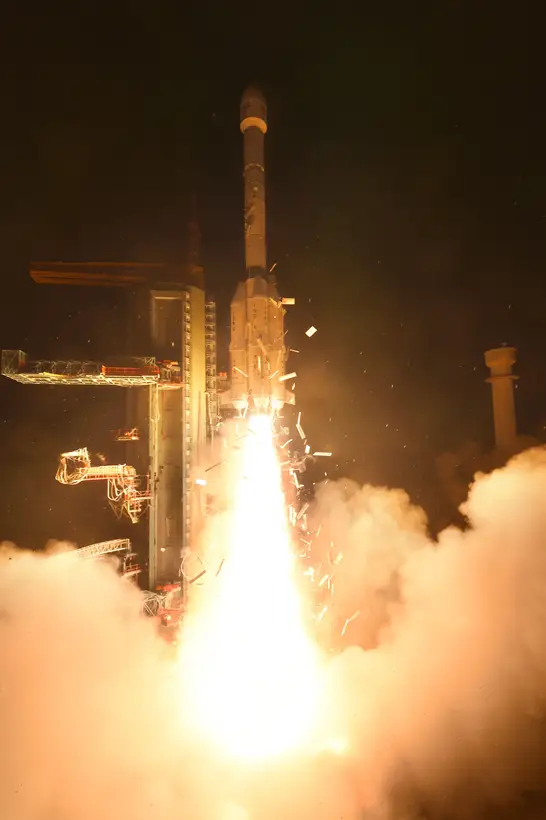
The August GLONASS mission continued the same pattern. Restrictions matching previous GLONASS launches covered August 19 through August 30 and overlapped with separate Angara-related warnings issued as early as August 8. Local authorities in Komi and Tyumen provided only that a launch was expected during the “second half of August.” Russia ultimately launched the Soyuz on August 24 at 05:40 Moscow time.

That ambiguity becomes more consequential now that Plesetsk is held at risk by Ukrainian long-range standoff systems. Expanding and overlapping launch windows do not conceal the launch, but they make it harder to isolate the most vulnerable portions of the launch cycle and give Russia an operational-security advantage while still allowing it to issue required safety warnings. Ukraine does not have to physically damage the cosmodrome to create an effect. A long-range strike system operating near Plesetsk can force Russia to pause activity, delay fueling or launch, change procedures, reposition personnel or equipment, increase air-defense requirements, or reassess whether conditions are safe enough to proceed. The platform may be capable of kinetic effects, while the immediate result is non-kinetic disruption, delay, or behavioral change rather than destruction. This also creates a form of non-traditional deterrence. Ukraine does not need to demonstrate that it can destroy Plesetsk or eliminate Russia’s launch capability. It only needs to create enough credible risk that Russia changes how it operates. If the threat of long-range platforms forces Russia to increase operational security, alter procedures, devote more resources to protection, or accept delays, then Ukraine has imposed an operational cost regardless of whether physical damage occurs.
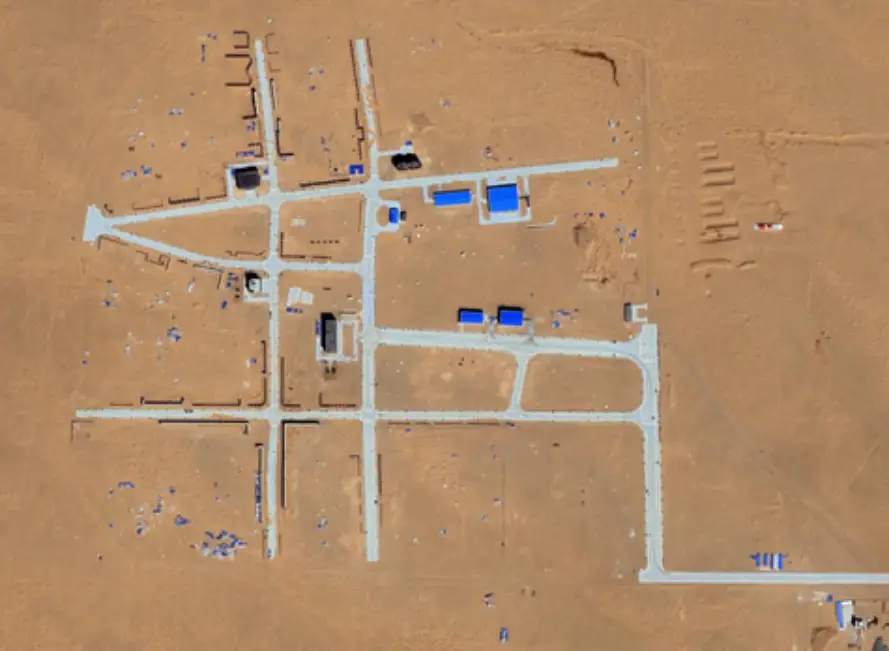
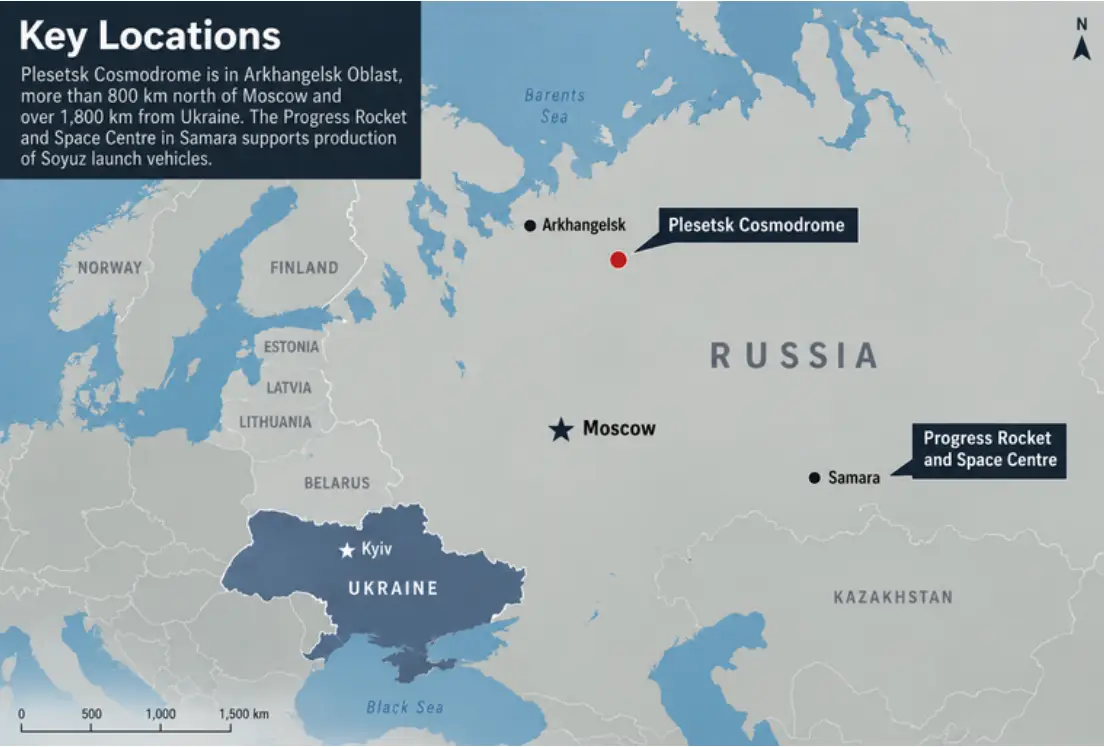
There is also a psychological component. Plesetsk is more than 1,800 kilometers from Ukraine and has historically benefited from geographic distance as a layer of protection. Ukrainian systems reaching Arkhangelsk Oblast challenge that assumption and force personnel conducting launch operations to account for a threat that was previously much less credible at that range.

Plesetsk is only one part of the broader terrestrial architecture Ukraine has begun holding at risk. On August 15, Ukraine struck the Progress Rocket and Space Centre in Samara, a key producer of Soyuz launch vehicles. Ukraine’s General Staff reported damage to facilities associated with Soyuz production, while subsequent imagery showed impacts and a partially collapsed roof at one of the buildings.

The significance is broader than any single strike. Space capability depends on more than the satellite in orbit. Launch vehicles have to be produced, payloads processed, launch sites kept available, spacecraft placed into orbit, and ground systems maintained to command and exploit them. Each of those functions creates a terrestrial dependency that can be affected with conventional military capabilities.

Ukraine therefore does not need to compete with Russia symmetrically in space to affect Russian space operations. Long-range standoff systems allow it to hold portions of the terrestrial architecture at risk and create effects ranging from physical damage to interruption, delay, increased force protection, changes in procedures, and greater operational-security requirements.

The broader measure of effectiveness is not whether a Ukrainian drone destroys a rocket on the pad. It is whether the threat forces Russia to change how it generates space capability. If launches are delayed, procedures altered, additional resources committed to protection, or launch timing made deliberately less predictable, then an operational effect has already been created. Assured access to space is not simply the possession of rockets and launch infrastructure; it is the ability to employ them when required. A launch architecture forced to account for disruption, uncertainty, and delay is already being degraded.

Map Showing Targeted Locations (left); Ukranian UAV Operating Over Arkhangelsk Province (right)
(@RussianSpaceWeb via X)