Issue 153

The Iran War Brings the Ground Segment Into the Counterspace Fight

Recent comments from U.S. Space Command Commander Gen. Stephen Whiting provide new insight into the role space infrastructure is playing during the war with Iran. Speaking with reporters at Redstone Arsenal and during remarks at the Space and Missile Defense Symposium, Whiting highlighted Iran’s deliberate targeting of U.S. space and missile defense assets. The attacks reinforce a broader trend increasingly evident in modern conflict: space capabilities, and the terrestrial infrastructure that enables them, are becoming part of the conventional targeting calculus.

Iran’s targeting demonstrated an alternative approach to counterspace operations by focusing on the terrestrial infrastructure enabling U.S. space and missile defense capabilities. Strikes against radar systems, satellite communications infrastructure, and other fixed facilities across the region threatened to degrade U.S. space-enabled operations while also placing pressure on the regional relationships that make those operations possible. Many of these capabilities depend on access to facilities hosted by Gulf partners. By bringing those installations into the target set, Iran was not only attacking military infrastructure, but also highlighting the risks regional states assume by hosting U.S. forces and capabilities.

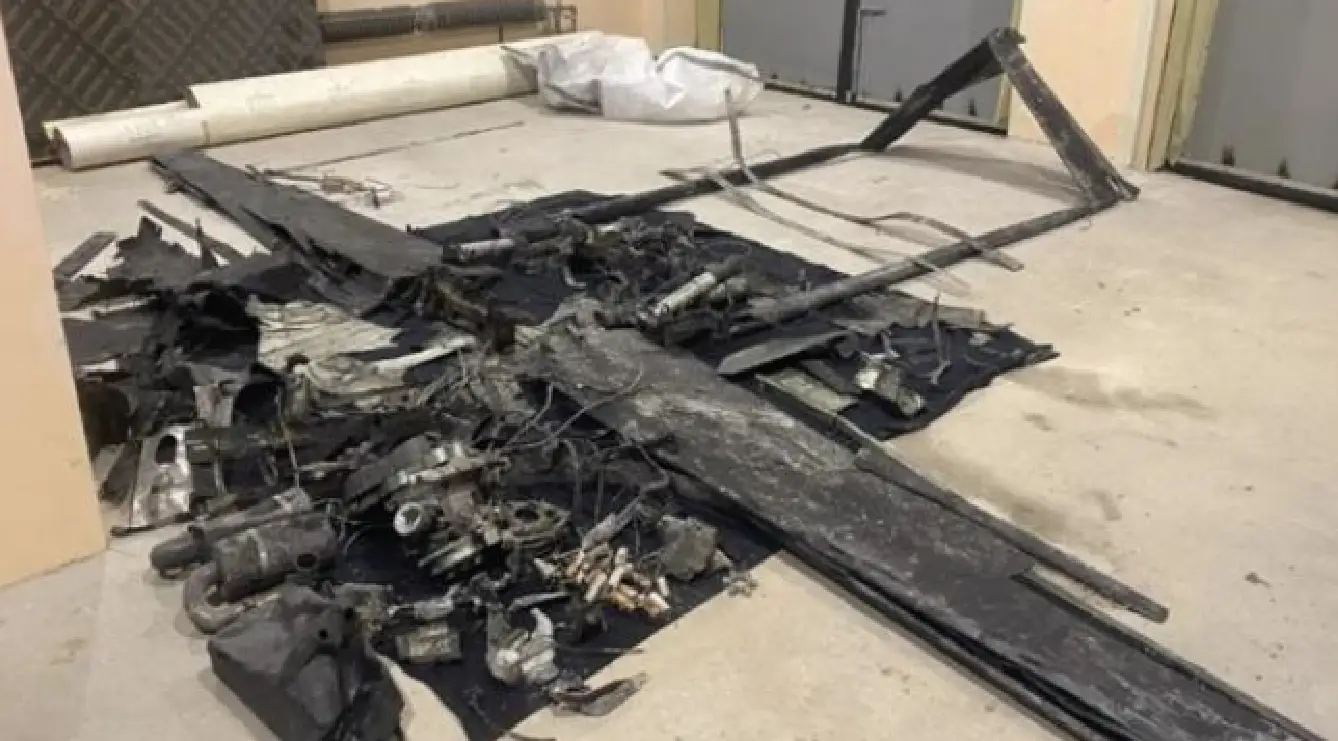
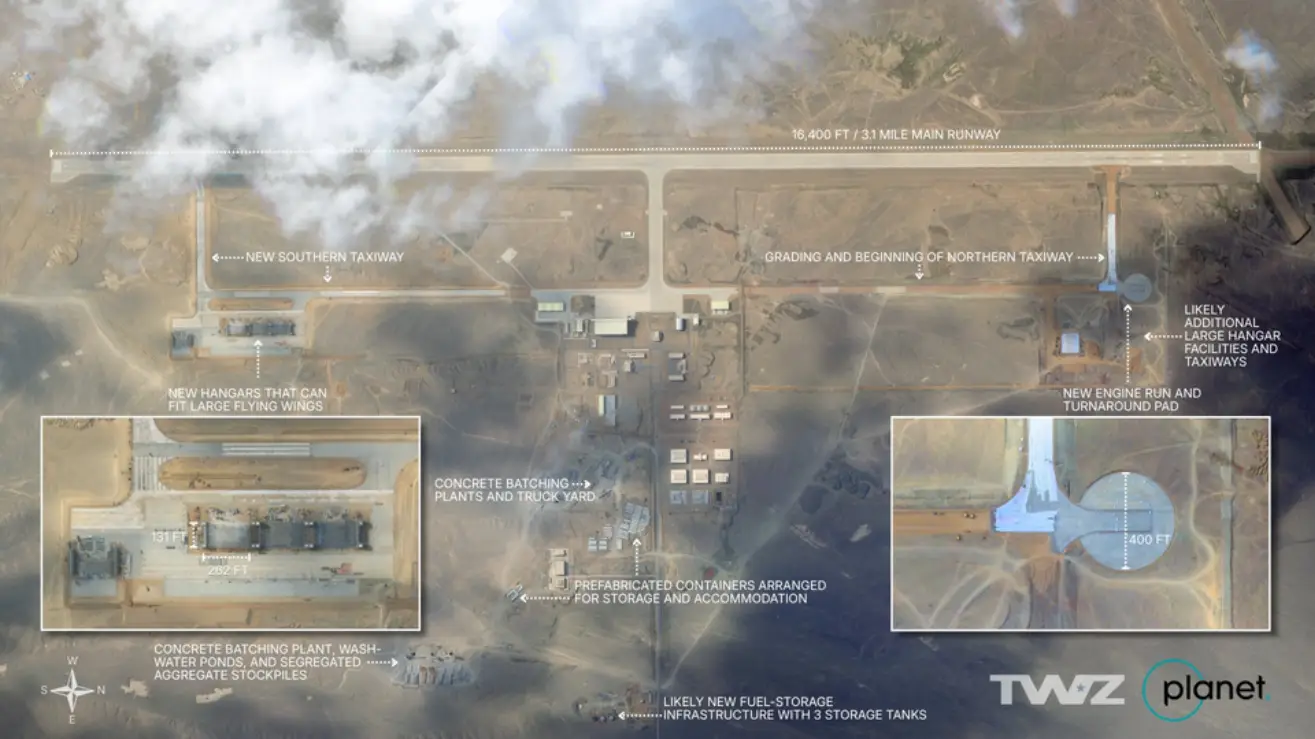
Commercial satellite imagery following Iranian attacks against U.S. installations showed damage to satellite communications facilities and dishes, radomes, and missile defense radar infrastructure at bases across the region. The targeting is particularly significant given Iran’s finite inventory of missiles and one-way attack drones. Whiting emphasized that Iran was deliberately expending those weapons against space and missile defense targets, arguing that militaries take particular care in selecting targets when weapons are costly. More broadly, he pointed to the attacks as evidence of a changing threat to space operations: fixed terrestrial infrastructure within an adversary’s weapons engagement zone is increasingly part of the target set.

Iran, however, was not alone in bringing space infrastructure into the targeting cycle. During Operation Epic Fury, U.S. forces targeted Iranian facilities that enabled Tehran to move data and conduct military operations in space. Israel also directly targeted Iran’s terrestrial space architecture. On March 8, the Israeli Air Force struck the Islamic Revolutionary Guard Corps Space Force headquarters in Tehran. According to the IDF, the facility supported satellite reception, transmission, and research and contained command-and-control infrastructure associated with Khayyam (53370), Iran’s Russian-built high-resolution Earth observation satellite.

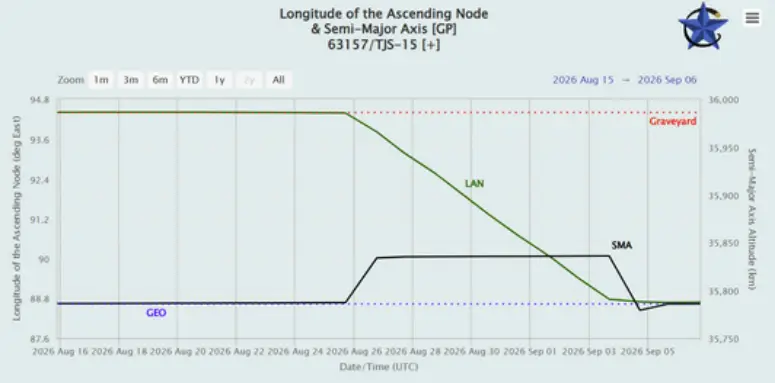
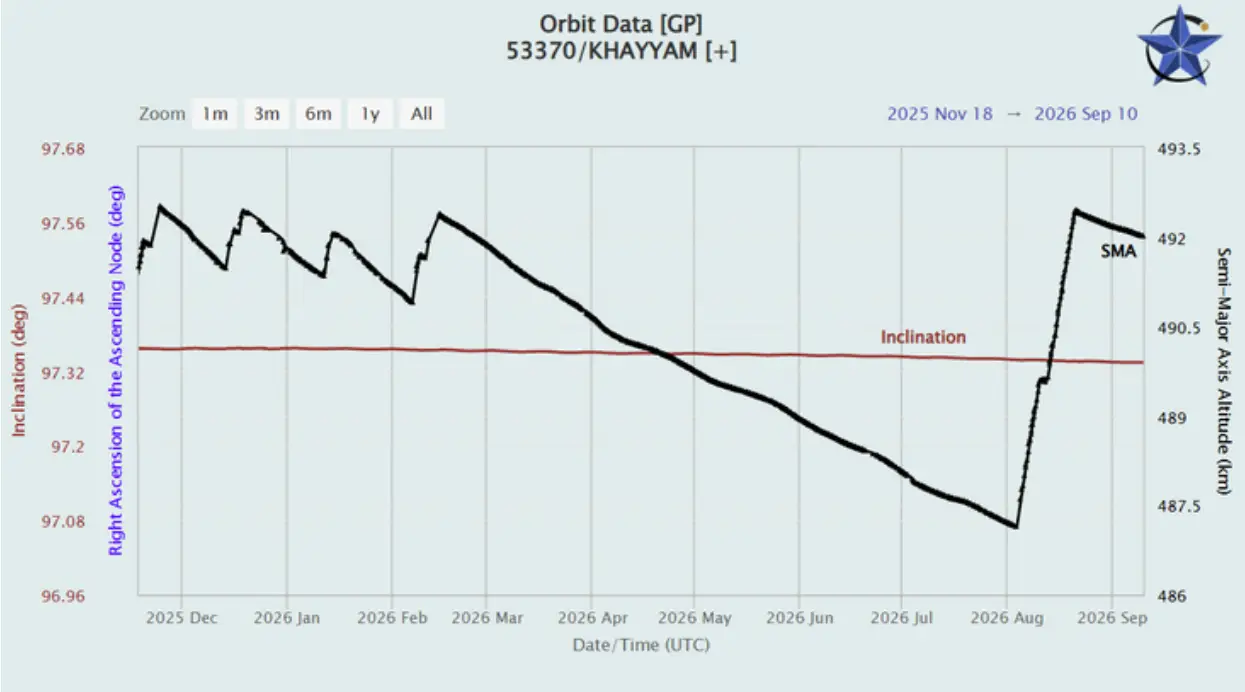
Khayyam is particularly noteworthy because its orbital behavior may provide insight into the broader effects of the conflict on Iranian space operations. Space domain awareness observations indicate Khayyam ceased its normal period of SMA station-keeping maneuvers between approximately February and August 2026 (see graphic). Beginning around August 3, observers detected a resumption of those maneuvers, resulting in an overall increase in the satellite’s orbital period.

Graph Depicting Khayyam Satellite Cessation of Orbital Maintenance Maneuvers from Feb-Aug 2026. (celestrak.org)

There is currently insufficient evidence to determine whether the interruption in Khayyam’s station keeping was related to the conflict or reflected other operational factors. The timing, however, warrants attention. The change occurred during a period in which Iranian space capabilities and supporting infrastructure were increasingly affected by the conflict. Khayyam’s return to station keeping in August therefore provides another data point in assessing how space operations may have changed during the war, without establishing a direct link to any individual strike.

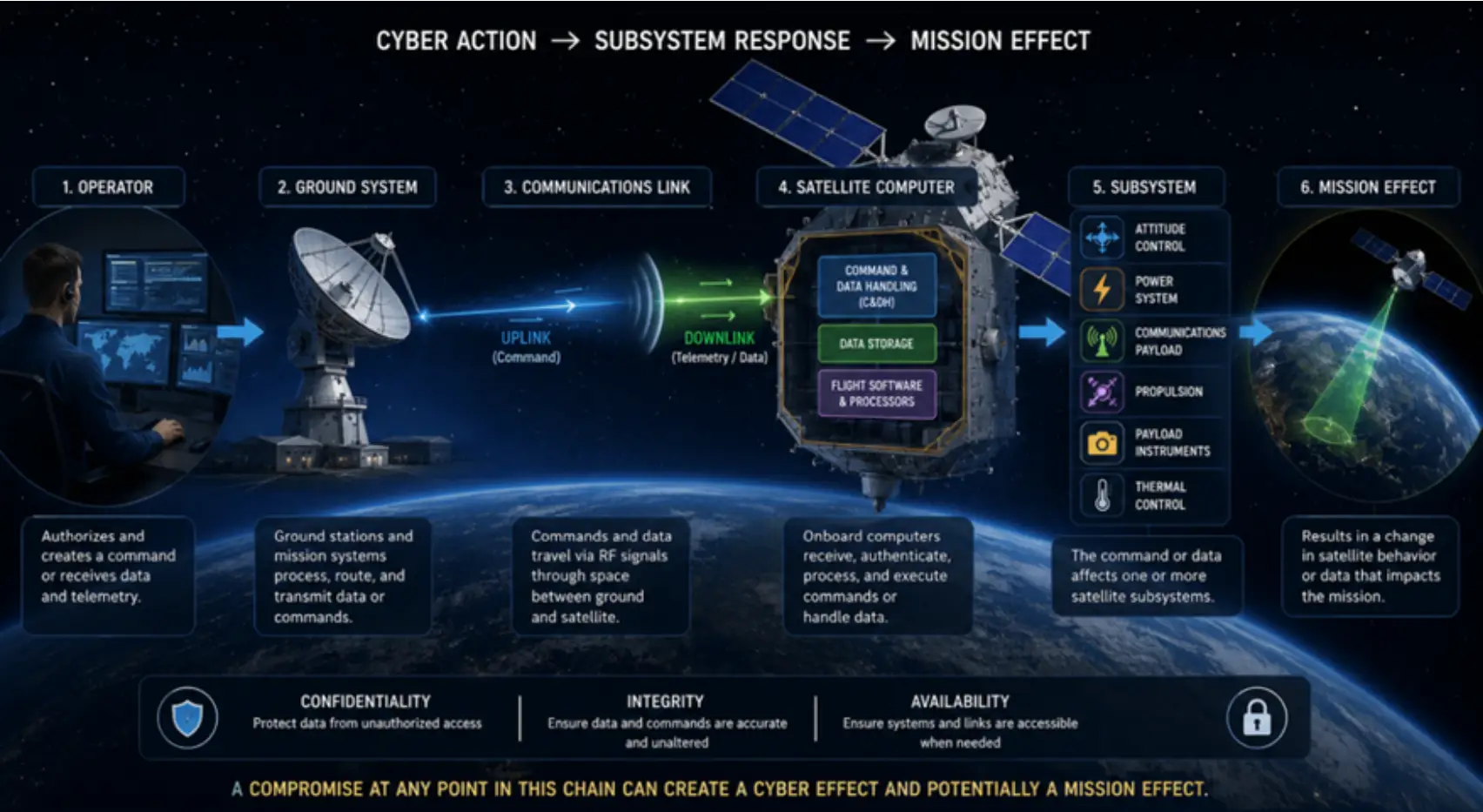
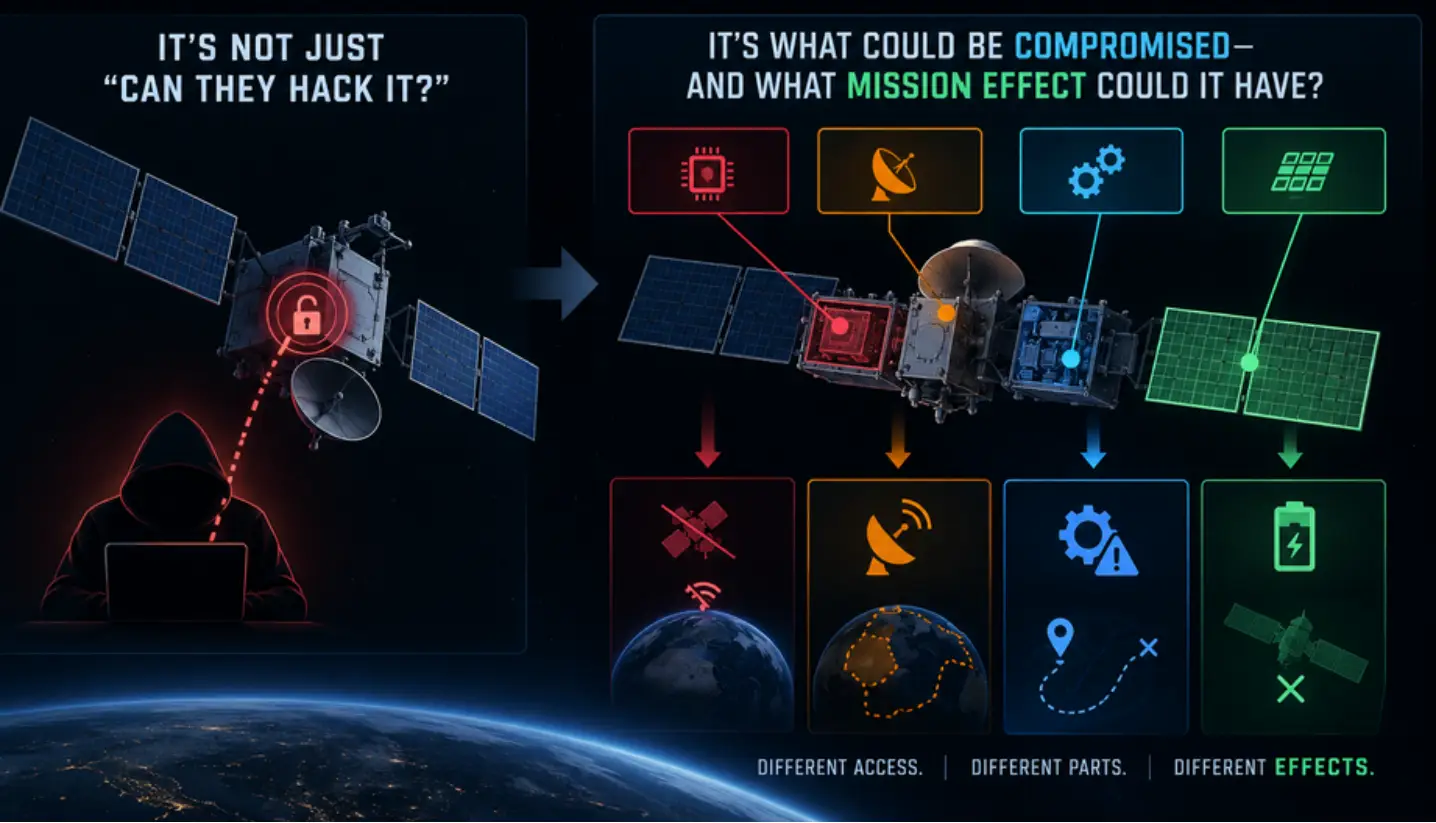
Taken together, the targeting by both sides highlights the expanding role of terrestrial space infrastructure in conventional conflict. Disrupting an adversary’s ability to use space does not necessarily require attacking a satellite. Operators, command-and-control facilities, communications links, tracking infrastructure, data-processing nodes, and end users are all part of the architecture required to translate an on-orbit capability into an operational effect. Attacking vulnerable portions of that architecture can therefore degrade or disrupt the use of space without ever engaging the spacecraft itself.

The implications extend beyond the physical vulnerability of the ground segment. U.S. space-enabled operations in the region rely on access, basing, and relationships with Gulf partners. Targeting infrastructure hosted by those partners has the potential to produce both operational and strategic effects: degrading military capabilities while simultaneously increasing the political and security costs associated with hosting them.

The conflict reinforces that counterspace activity is not confined to actions occurring in orbit. The contest over access to and use of space increasingly includes terrestrial infrastructure, regional access, and the partnerships required to turn space capabilities into operational effects. For military space planners, protecting the satellite is only one part of protecting the capability. Resilience must also account for the ground segment, the networks connecting it, and the access and partnerships that allow those systems to operate.

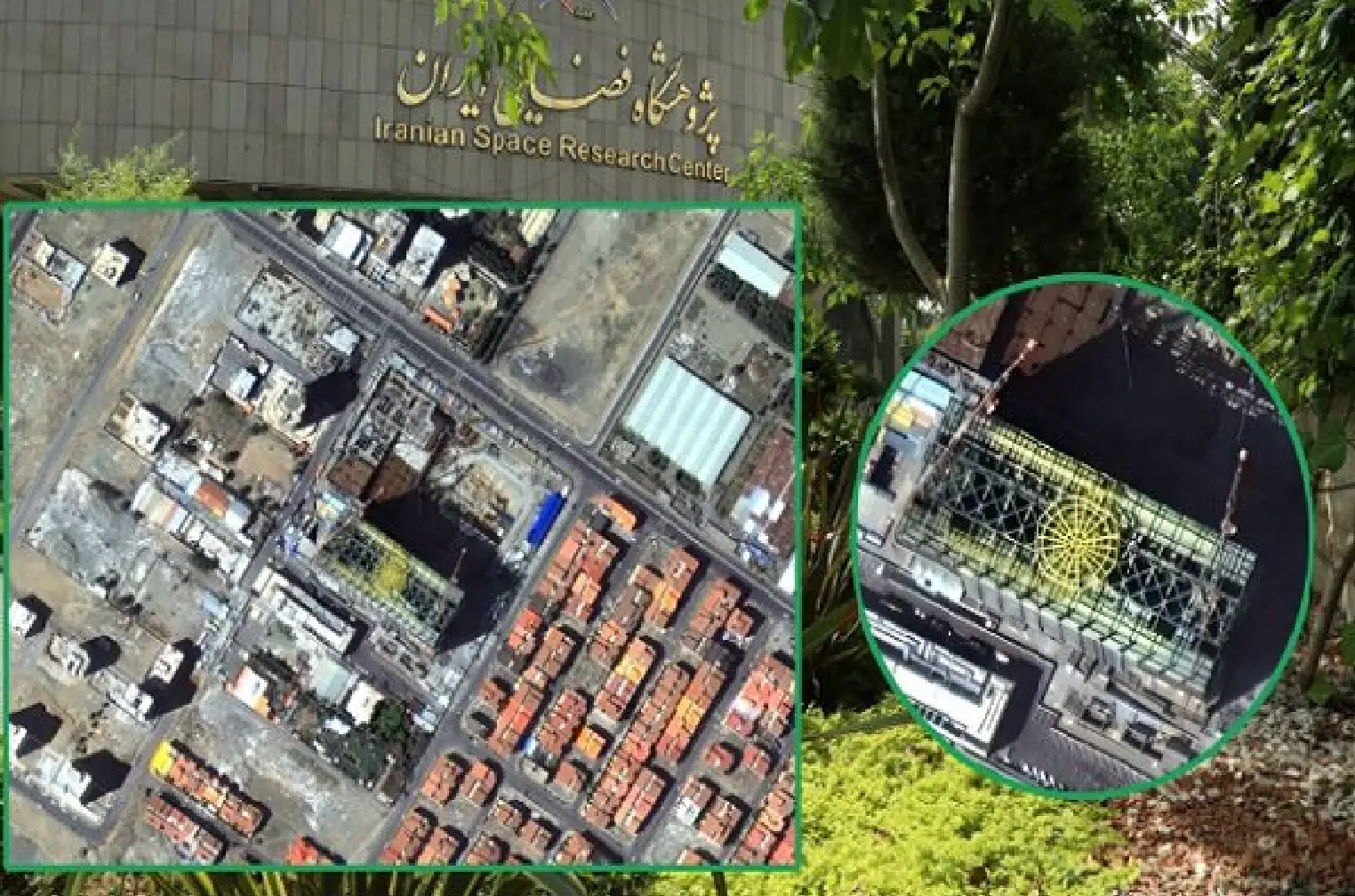
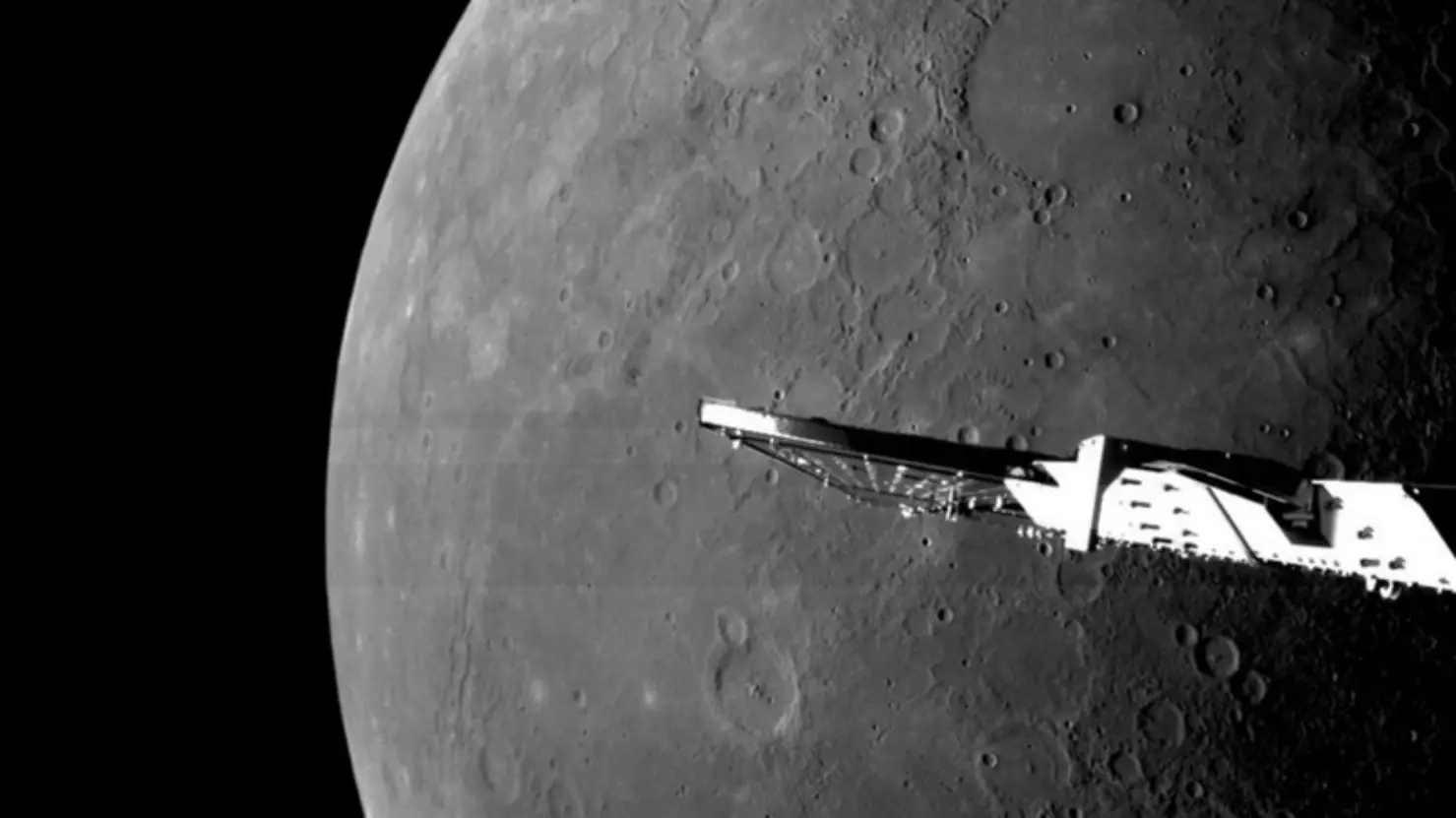
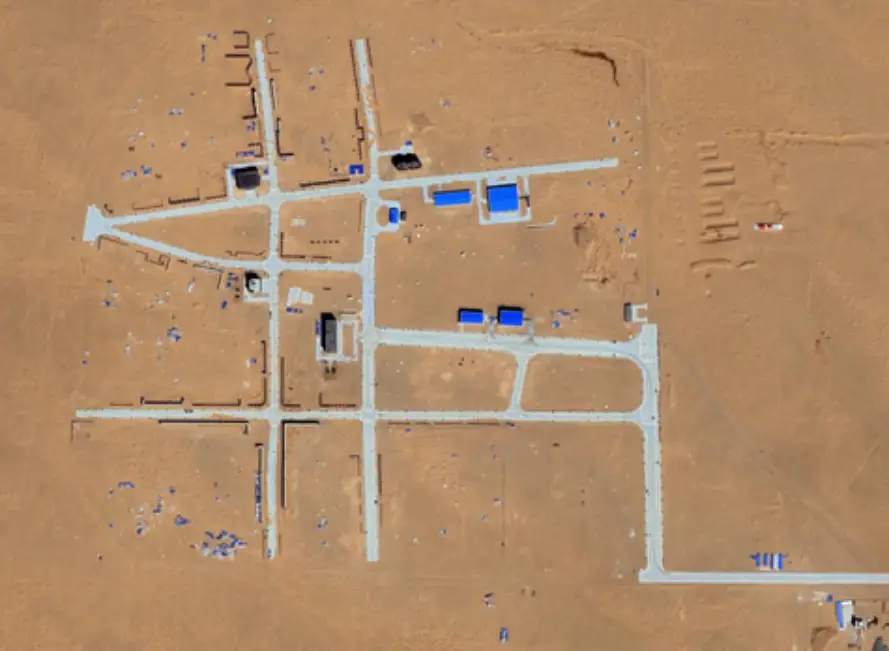
Image from Khayyam Satellite: “Developed by Russian JSK BARL company, Khayyam has a spatial resolution of 0.7 meters. Iranian specialists have reportedly developed a super-resolution image-processing technique capable of reconstructing imagery with an effective spatial resolution of 35–45 cm.” (@HEMemarian via X)