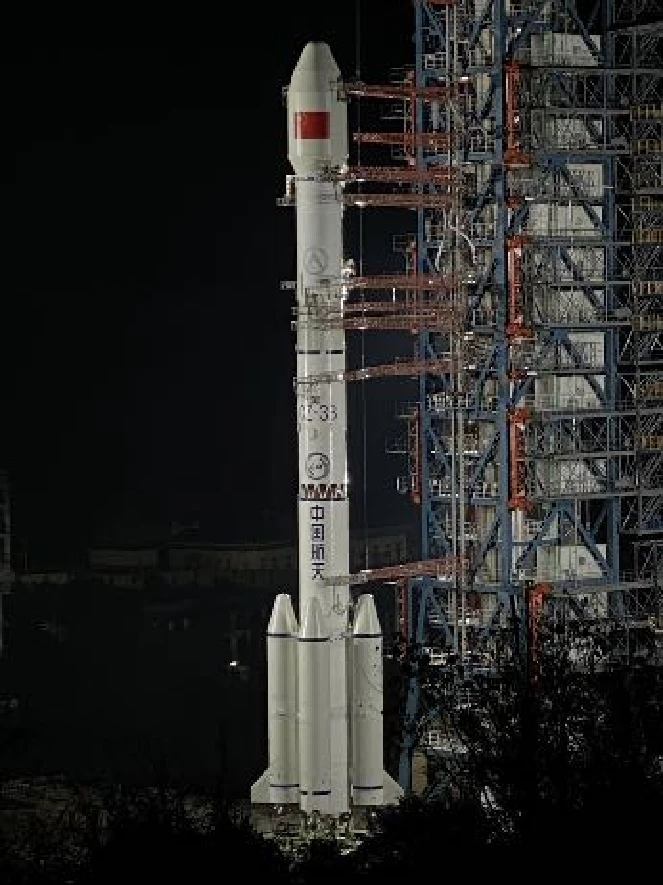
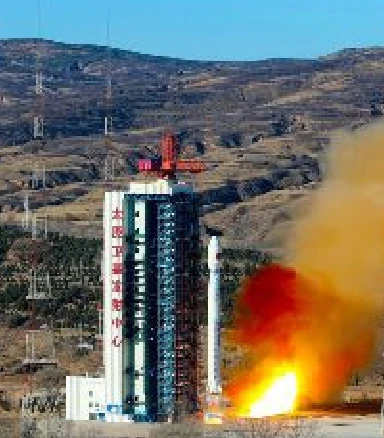
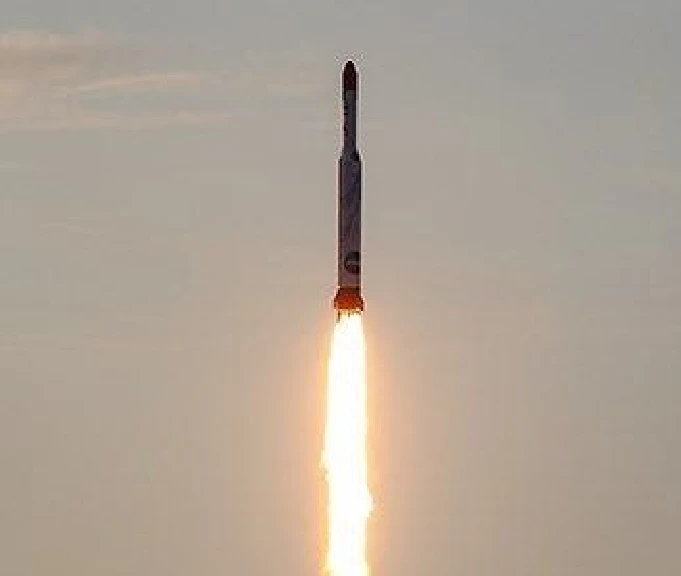
23 Dec 2021: China launched a new-generation Long March 7A rocket and successfully sent a pair of Shiyan-12 test satellites into geosynchronous transfer orbit. The Shiyan-12 satellites are stated to be for space environment studies and related technical tests and were developed by the China Academy of Space Technology (CAST), a CASC subsidiary. Both are now in GEO. See Launch Video.
– This was China’s third launch of the new LM-7A rocket. The first launch failed, the second was successful.
– At 60.7-meters-long, the LM-7A used for this dual satellite launch included an elongated fairing, making it China’s longest rocket.
– The rocket has a diameter of 3.35 meters and has four side boosters. It is capable of delivering up to 7 metric tons of payload to GTO. The Long March 7A is more capable than the Long March 3B, which can launch 5.5 tons to GTO.
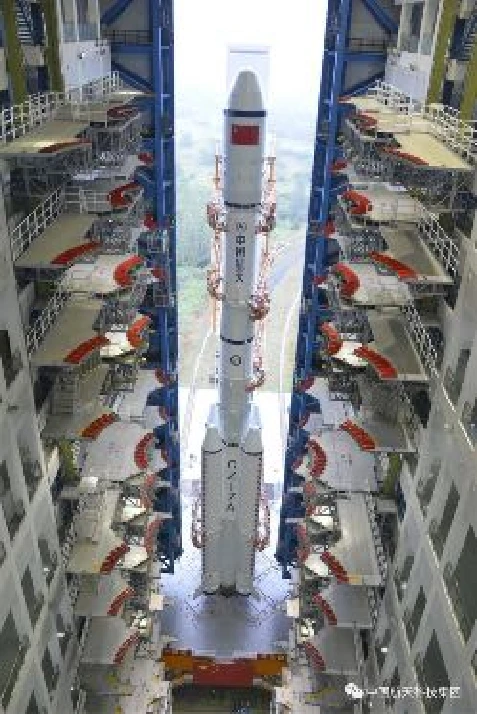
– The standard LM-7 is used to launch cargo spacecraft to China’s space station. The 7A includes an additional hydrolox stage.
– CASC plans to perform 3-5 Long March 7A launches a year by 2025. The launcher can also be used for lunar and deep space missions.
The officially announced purpose of the Shiyan 12 satellites is spatial environment detection and testing. There has been open source comparison with the US GSSAP mission.
– Each satellite weighs 3 tons and both were developed by the China Association for Science and Technology (CAST), which has developed other payloads of this kind before, including the Shiyan-9 and Shiyan-11 payloads.
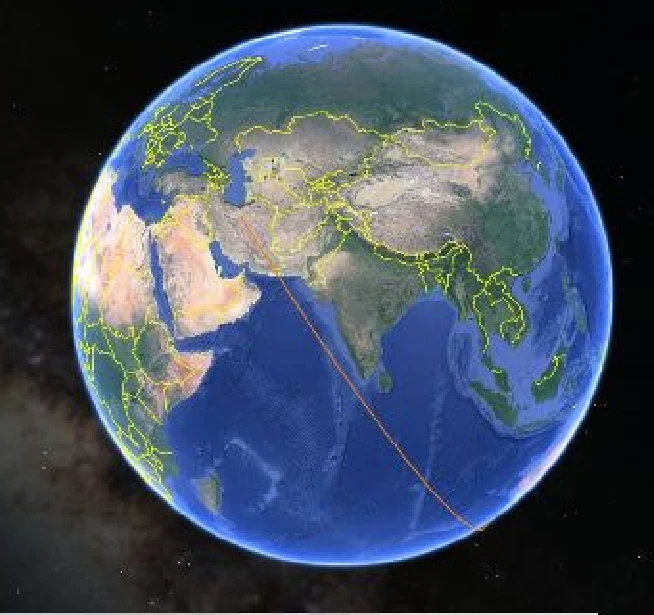
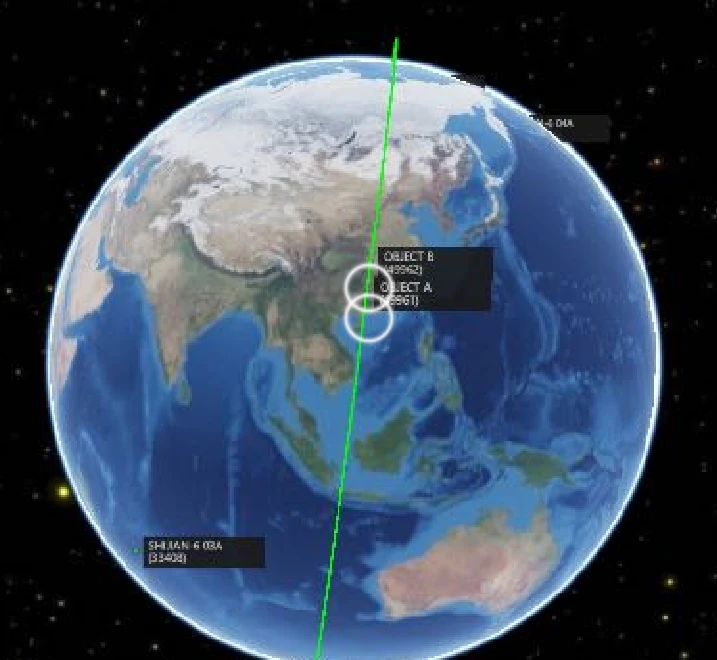
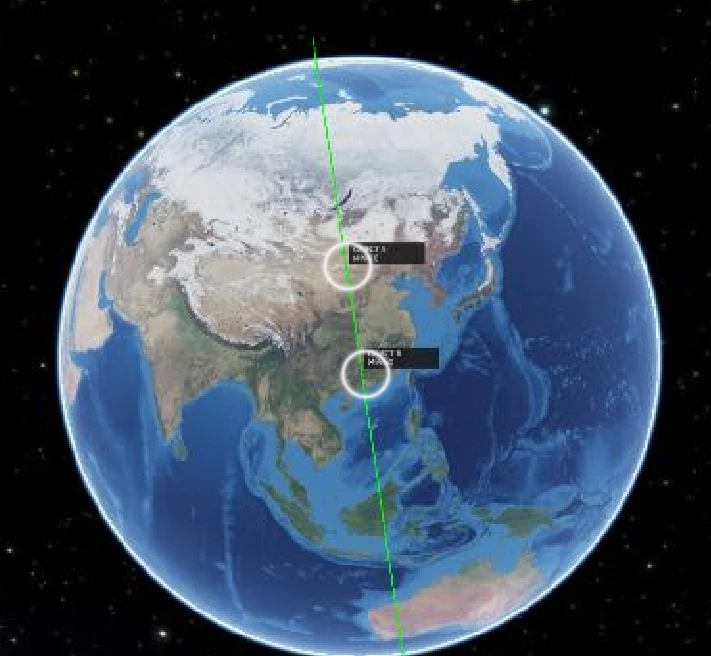
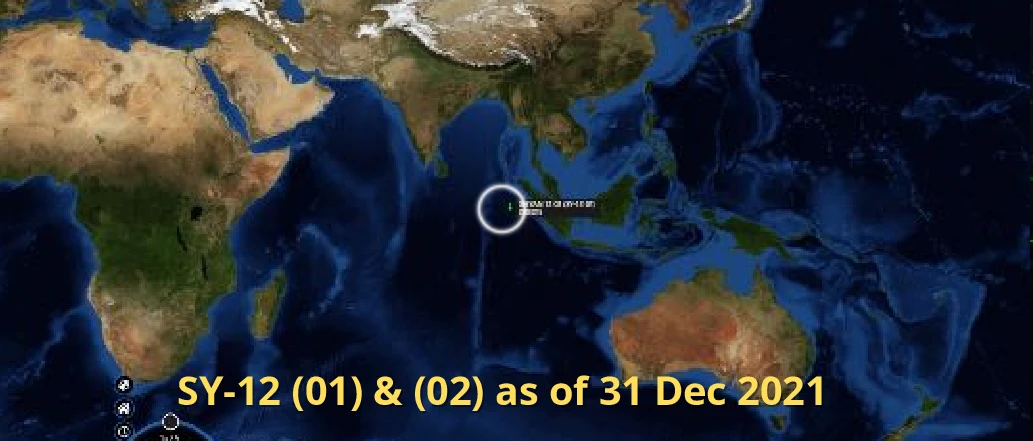
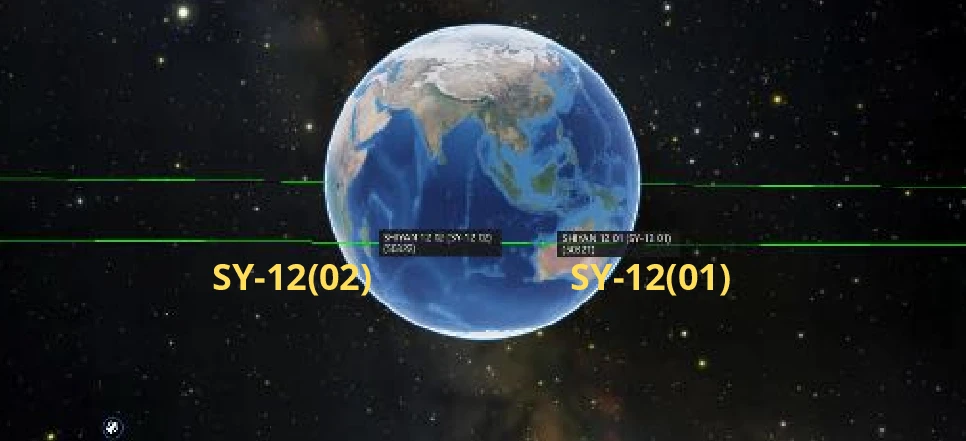
– Both Shiyan 12 satellites were tracked in geostationary orbit in proximity with one another on 31 December. Shiyan 12(01) is at 94.28°E and Shiyan 12(02) is at 94.15°E (over the Indian Ocean just East of Java.) Both are inclined .5°.
– This is the third launch in three months for the Shiyan satellites. Shiyan-10 was launched in October 2021, and raised its orbit successfully after initial reports of a failure of launch appeared on social media, and the confirmation of a successful launch was delayed.
– Both Shiyan-9 and Shiyan-10 remain in GTO-like orbits. The Shiyan-9 was launched on 11 March 2021 and also used the LM-7A.
– The Shiyan-11 technology satellite launched to LEO on a Kauizhou-1A rocket in Nov 2021. It is suspected that the Shiyan-11 mission was used to demonstrate Earth imaging services.
2021 appears to have been a highly ambitious and successful year for experimental Chinese space programs. This year there were three of the TJS (TJS-6, 7 & 9) missions launched, all to GEO. There were also three Shijian (SJ-21 to GEO and two SJ-6(05) to LEO) launches. Finally there were 6 Shiyan (SY-6(03), SY-9, SY-10, SY-11 and SY-12(01&02)) placed into a variety of orbits.