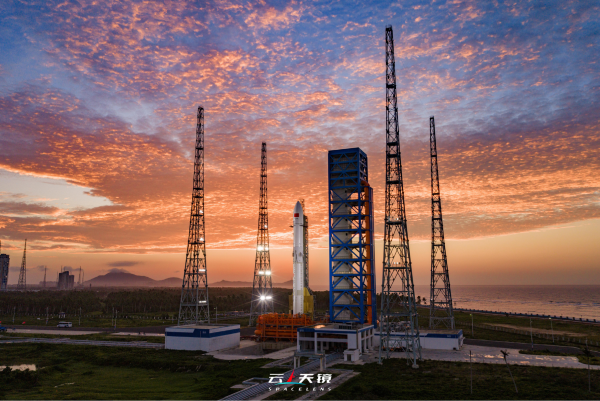
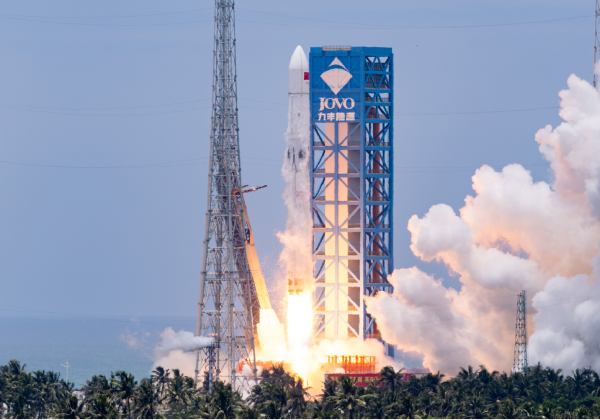
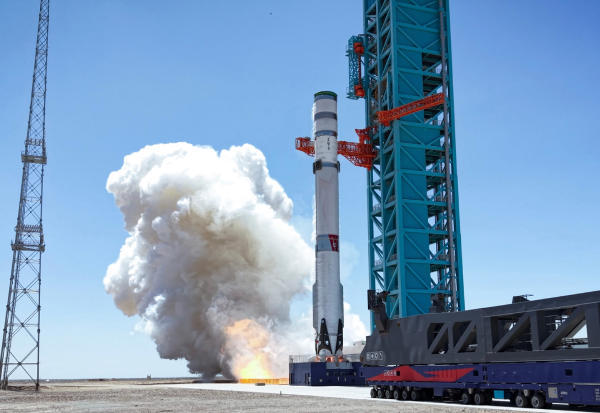
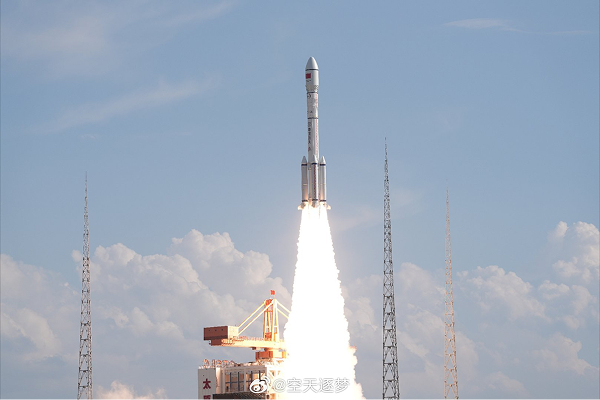
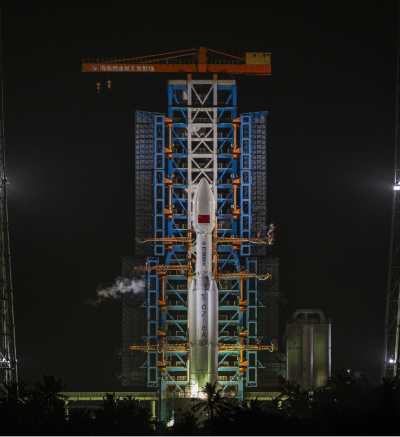
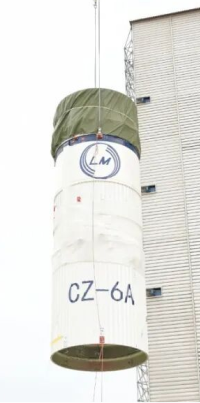
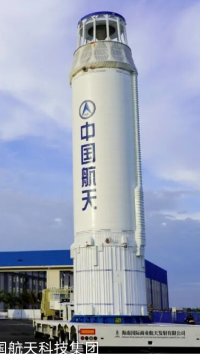
On July 10th, China’s state-owned China Aerospace Science and Technology Corporation (CASC) successfully demonstrated controlled first-stage recovery at sea. The flight and return of the Long March 10B’s first stage mark an important step in Beijing’s effort to develop a more reusable, higher-cadence launch ecosystem. Chinese reporting described it as China’s first successful controlled recovery of a launch vehicle first stage and the first net-based recovery of a launch vehicle. Watch Video.
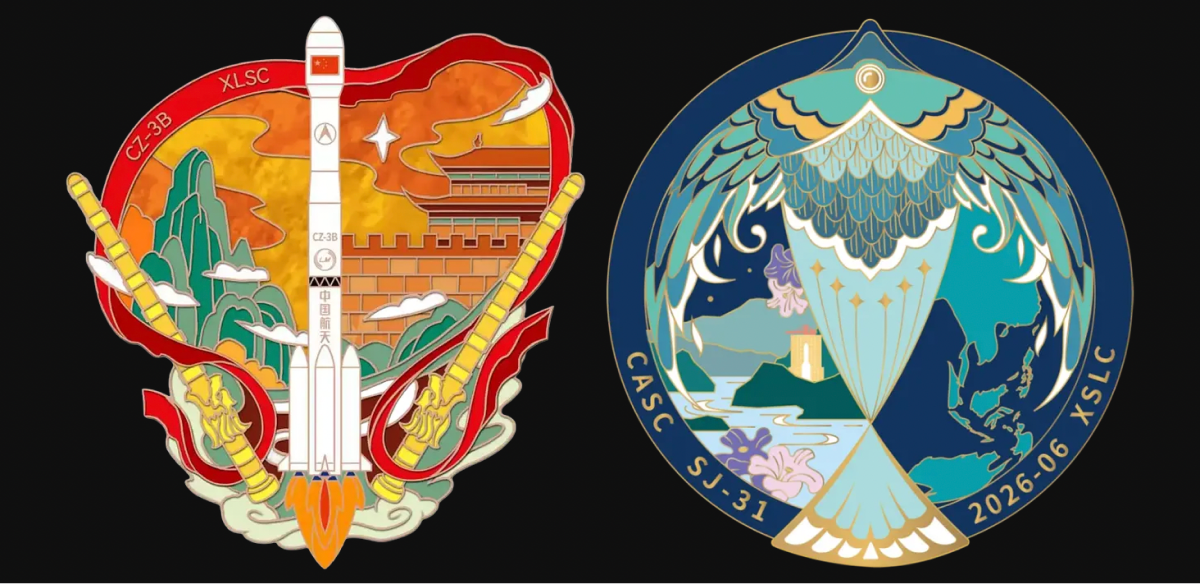
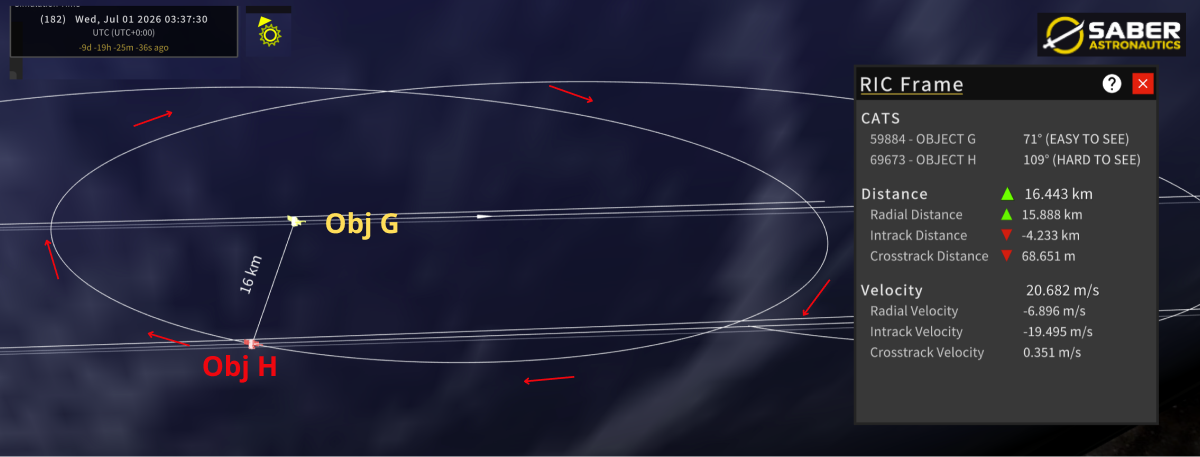
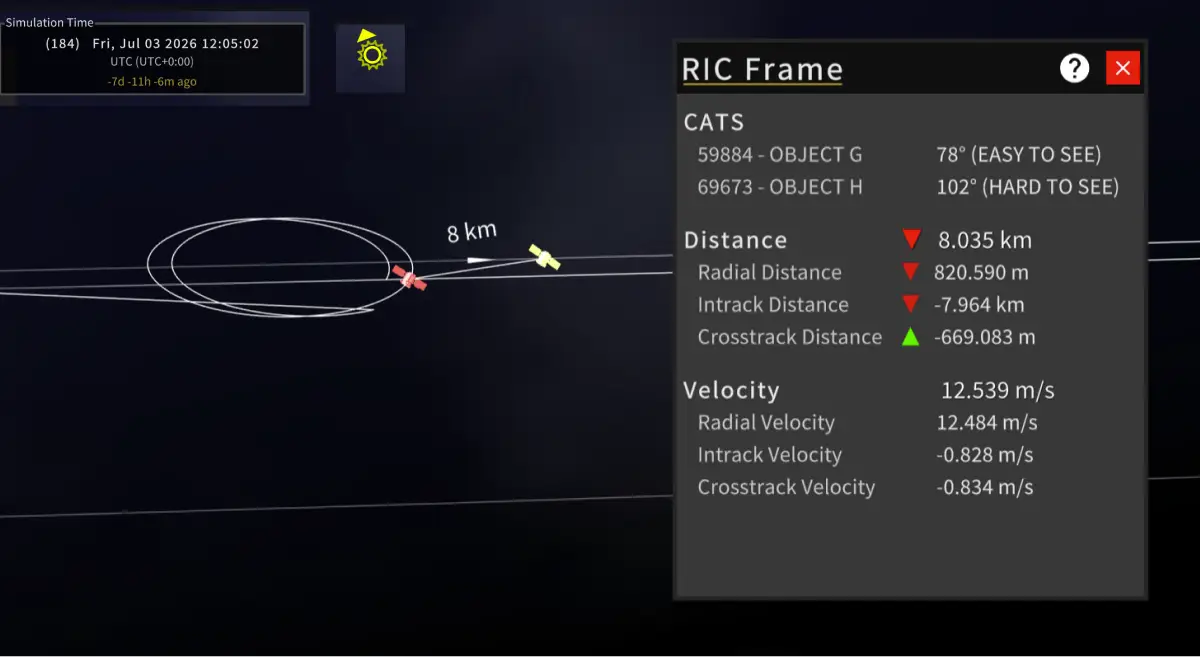
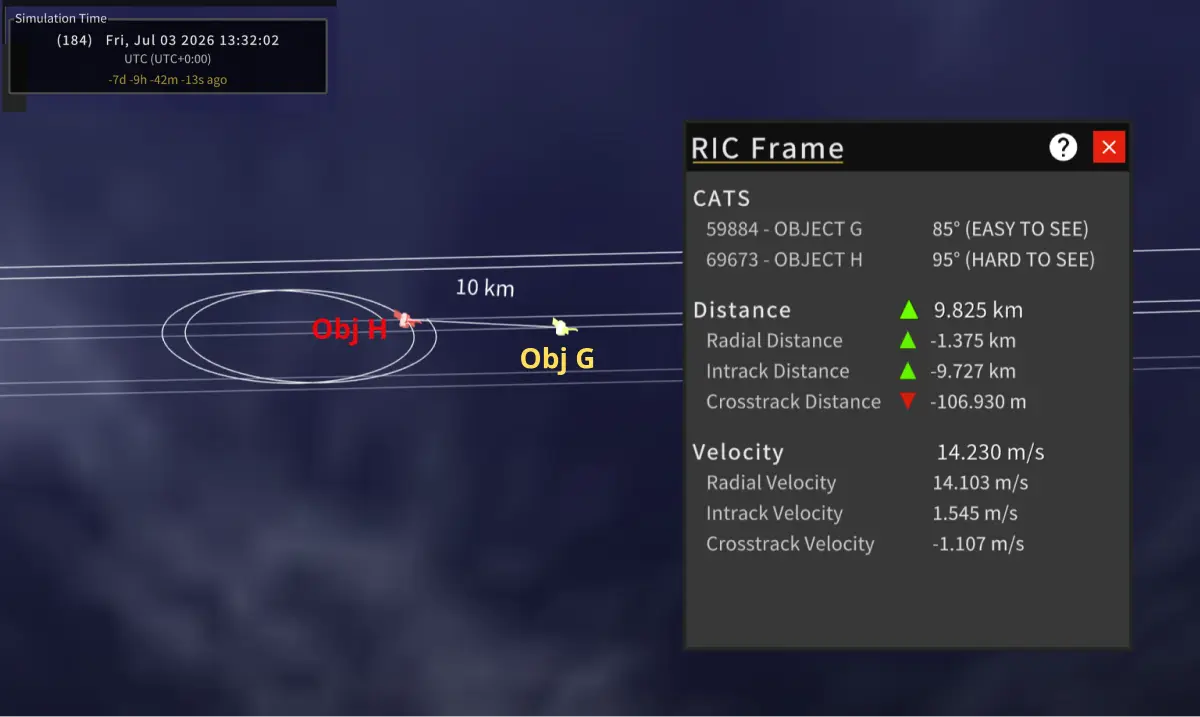
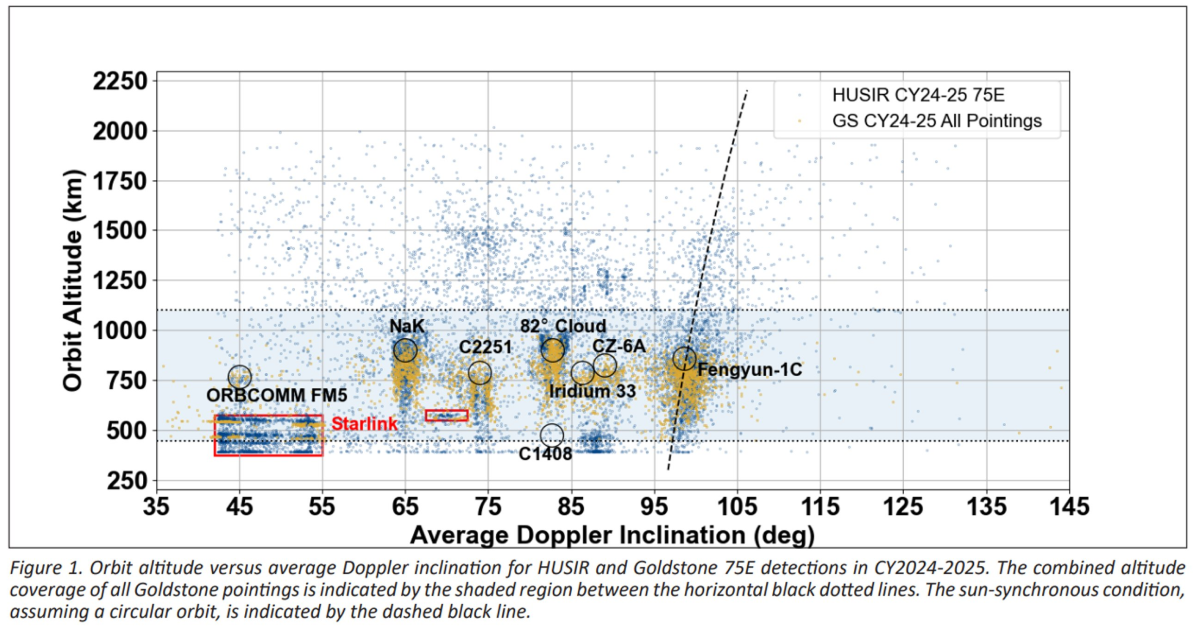
The launch carried 2 Xingwang Jishu Shiyan-11A-B (69972/73) satellites into a 50° inclined orbit with an average altitude of 809km. Chinese press releases noted the pair are internet technology test satellites carrying an inter-orbit laser communication terminal developed by Aurora Starcom. Capable of communication over distances of 5,500 kilometers, the terminal enables rapid link establishment and high-speed data transmission between satellites in the same or different orbits.
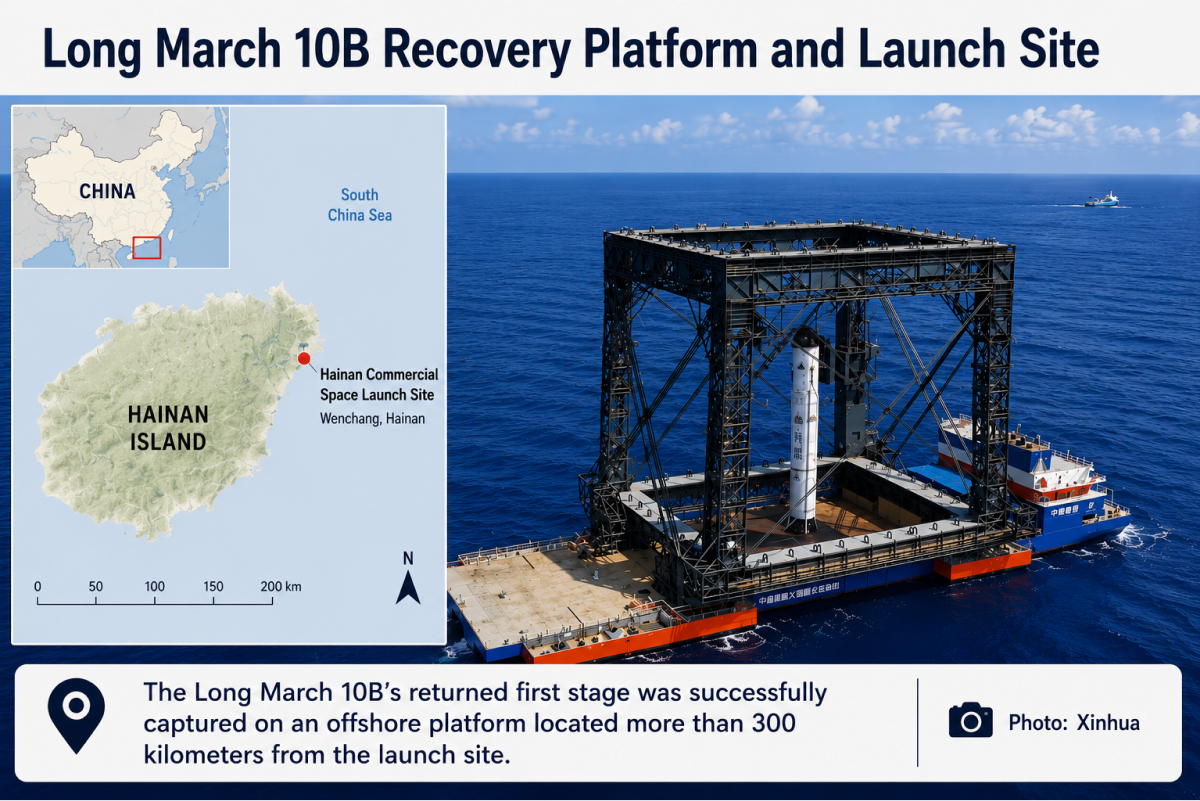
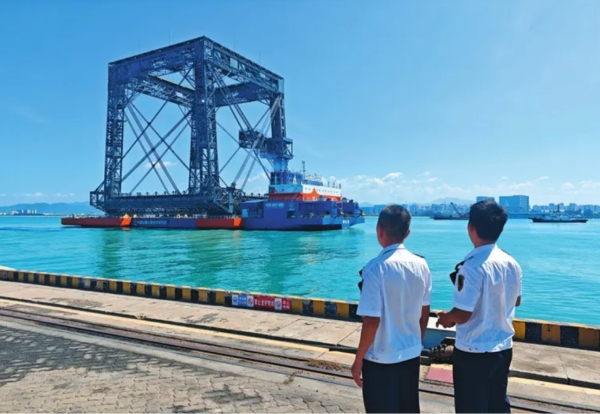
After liftoff from the Hainan commercial space launch site, the Long March 10B’s first stage separated and began the most important part of the test: getting back intact. Grid fins helped control and slow the booster during return, while an engine restart provided the powered deceleration needed for a controlled descent. Rather than touching down on landing legs, the booster descended toward a recovery platform more than 300 kilometers from the launch site, where it was captured by a net-and-cable system.
That makes the flight notable for both the milestone and the method. China has now shown it can recover a first stage, but recovery is not the same as reuse. The next test is whether the booster can be inspected, refurbished, and flown again on a practical timeline. If the net-capture system proves repeatable, it could offer China a different path to reusability: less landing hardware on the rocket, more recovery work handled by the platform, and potentially more margin during return.
The larger effect may be the signal this sends across China’s launch sector. CASC has demonstrated a state-backed path to booster recovery, raising expectations for commercial firms pursuing their own reusable systems. If China can turn recovery into reflight, the payoff would be significant: lower launch costs, higher launch cadence, stronger commercial competitiveness, and more capacity to support large low-Earth-orbit constellations.