Issue 149

China Mid-Year Review: 2026

So far in 2026, China has continued to further develop its proliferated constellations, pursue reusable capabilities, and launch classified satellites to LEO and GEO offering minimal information about their exact mission. China has conducted slightly more launches compared to this timeframe last yea

So far in 2026, China has continued to further develop its proliferated constellations, pursue reusable capabilities, and launch classified satellites to LEO and GEO offering minimal information about their exact mission. China has conducted slightly more launches compared to this timeframe last year. Recent research has been focused on space-to-ground laser comms and countering proliferated constellations. As for its lunar ambitions, China continues to progress with the critical hardware required for supporting a 2030 mission. The next high visibility event will be later this summer when a lander attempts to survey the moon’s south pole.
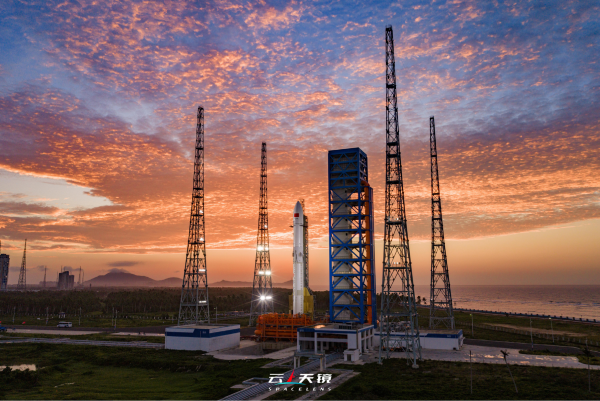
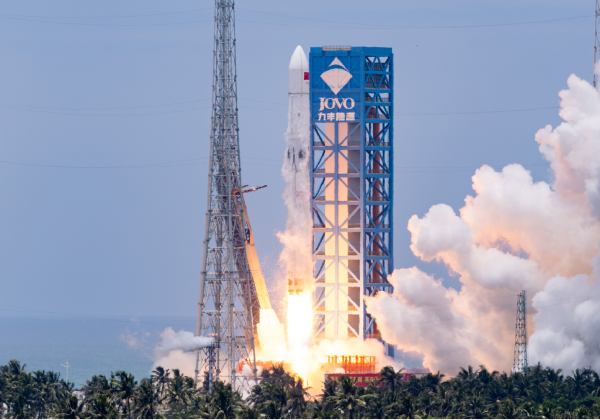
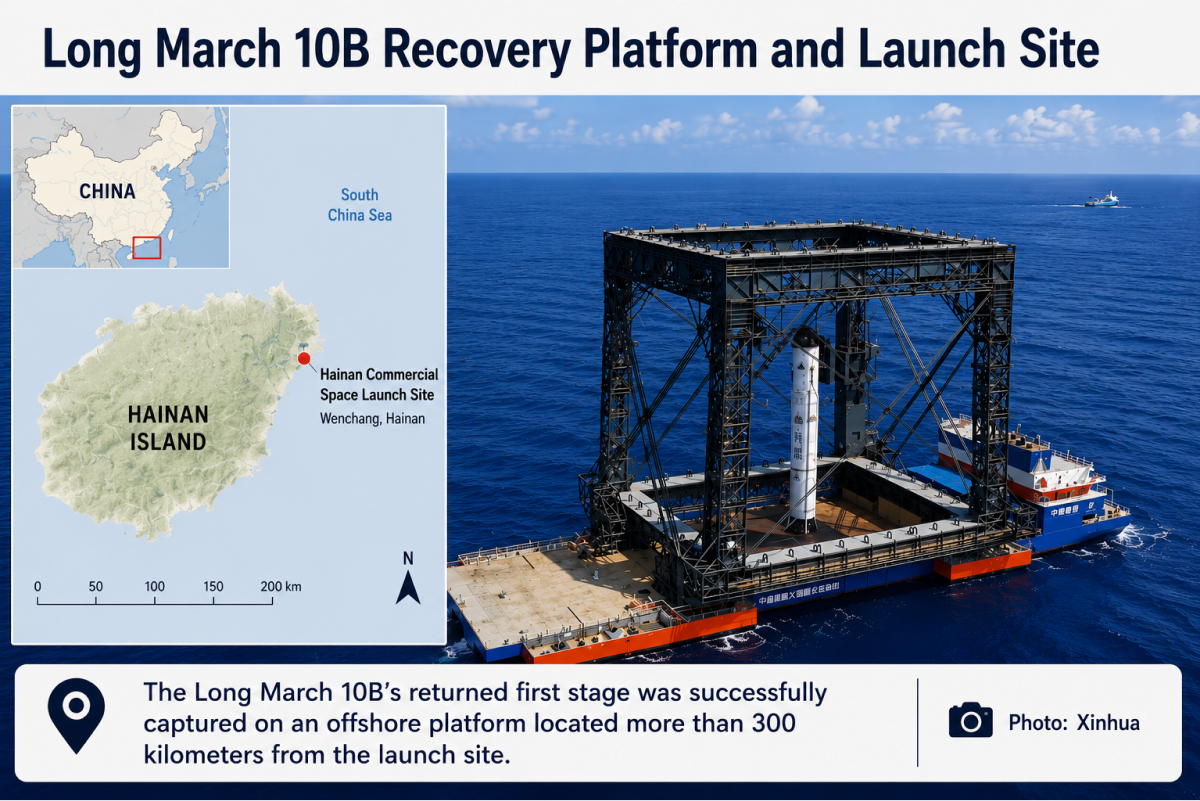
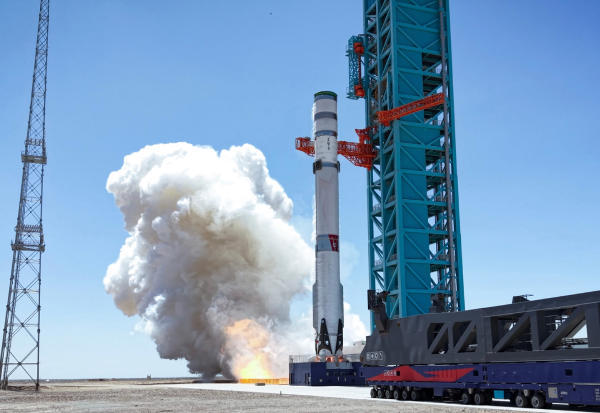
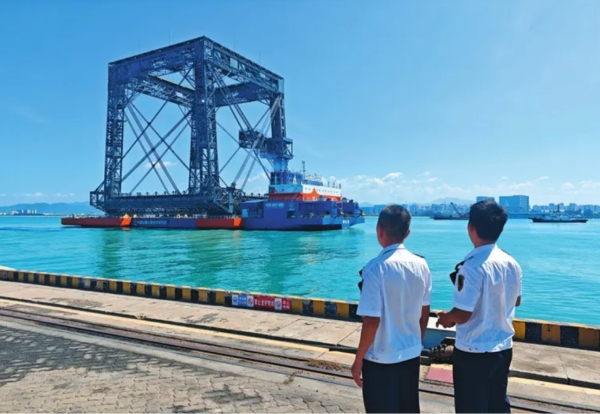
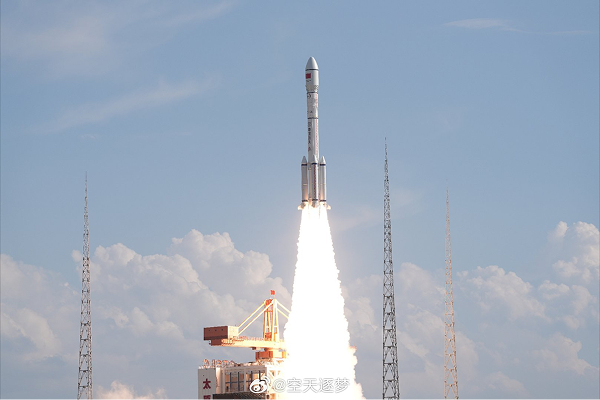
As of 23 June, China has conducted 43 launches, 13 of which were performed by commercial providers. CAS Space is the current front runner in the commercial market, regularly providing launches in support of China’s Jilin commercial remote sensing constellation. Chinese media has highlighted over the past year that the company’s Kinetica-1 solid rocket offers a very competitive, low-cost per kg ($3-5K) option to access space. On the other hand, there have been 3x failed launches across China’s launch enterprise. A notable failure occurred on 16 Jan, which resulted in the loss of a Shijian-32 satellite due to a failure with the government-owned Long March 3. Multiple companies continue to chase reusability as well. Landspace’s Zhuque-3, which is expected to launch in July, and Space Pioneer’s Tianlong-3 are the closest commercial contenders, with the former serving as the only rocket that has attempted (but failed) orbital recovery. The government-owned Long March 10B is also expected to launch in July and recover at sea via a wire-network catch on a barge. However, this rocket will not be as efficient in terms of reusability compared to the Zhuque-3 as the Long March 10B uses traditional aerospace alloys, kerolox for its first-stage, and does not have landing legs. Launch tempo will likely increase as historically China conducts more launches in 2nd half of the year, partially due to better weather. The fall and winter months bring much more stable, dry, and clear atmospheric conditions across northern and western China.

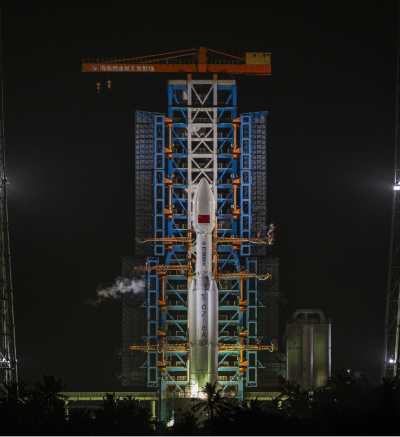
Zhuque-3 Static Fire Test (Landspace)
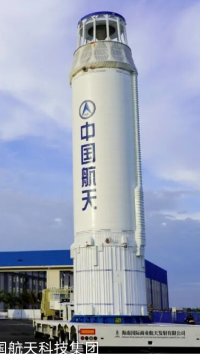
Barge for Long March 10B (Hainan Daily)

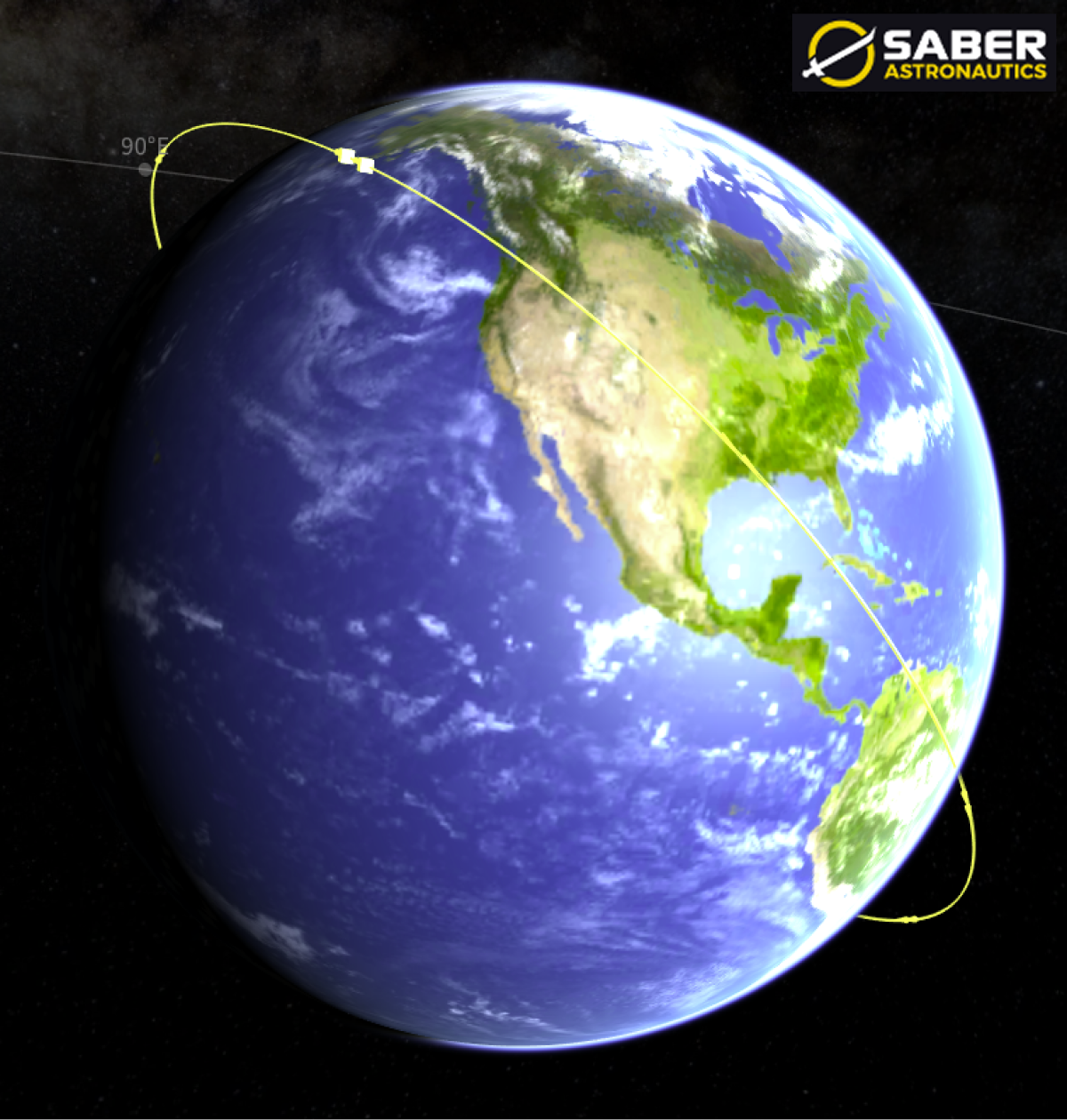
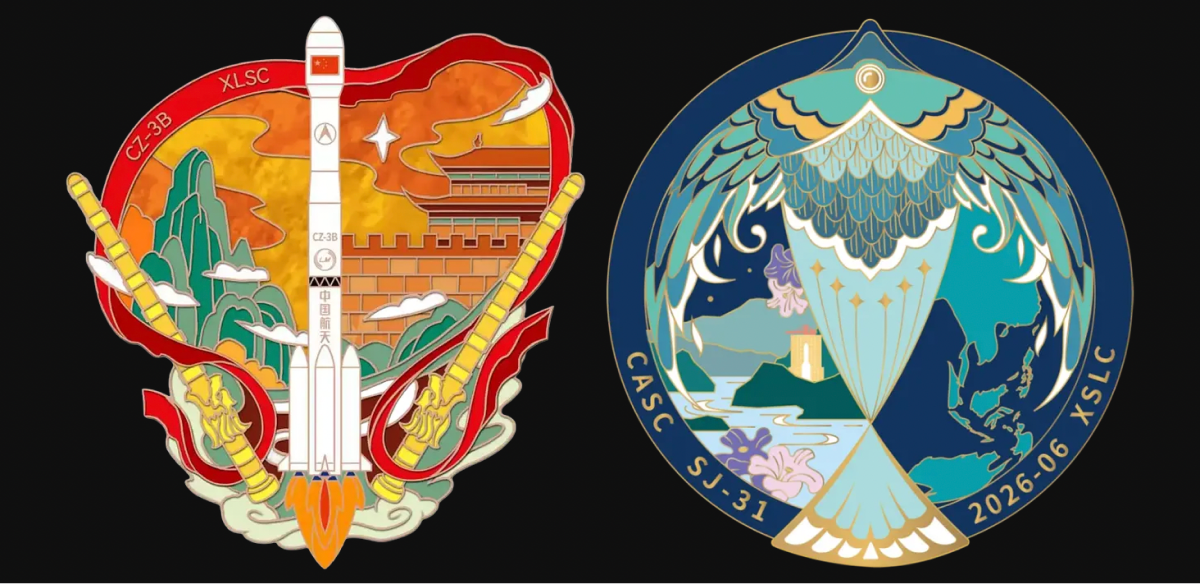
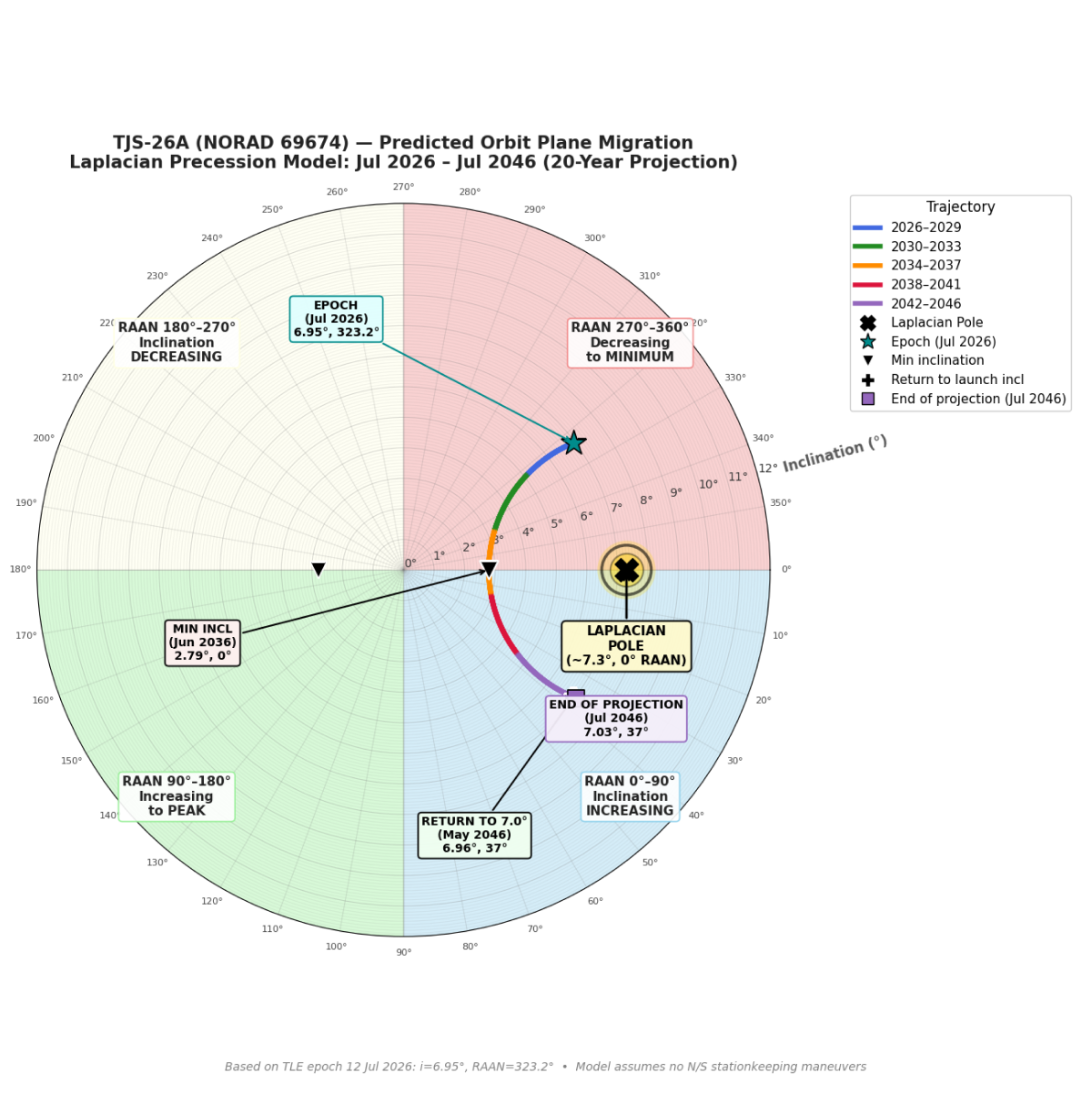
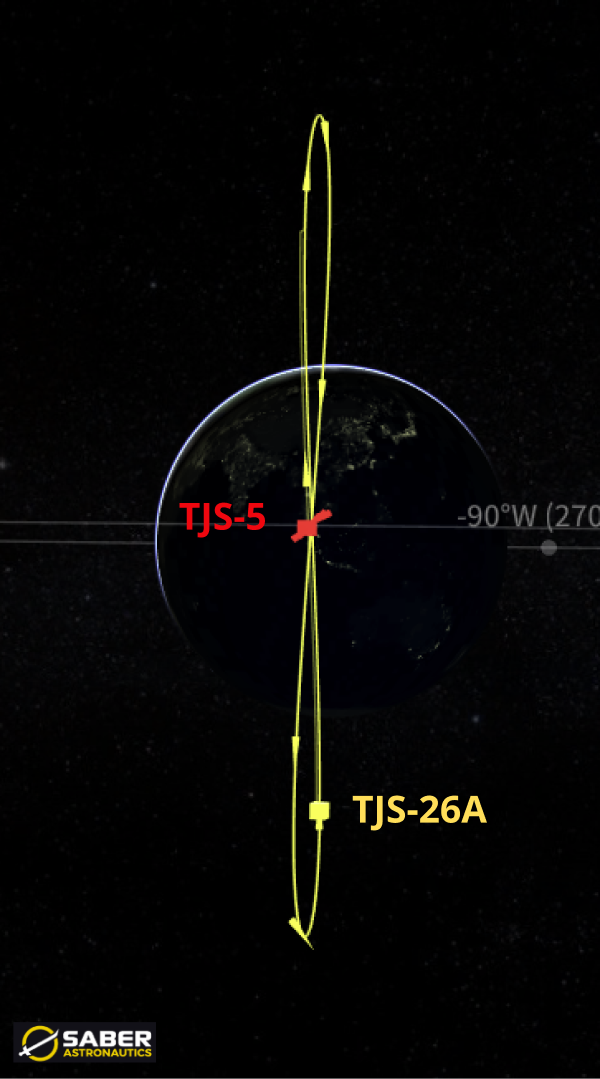
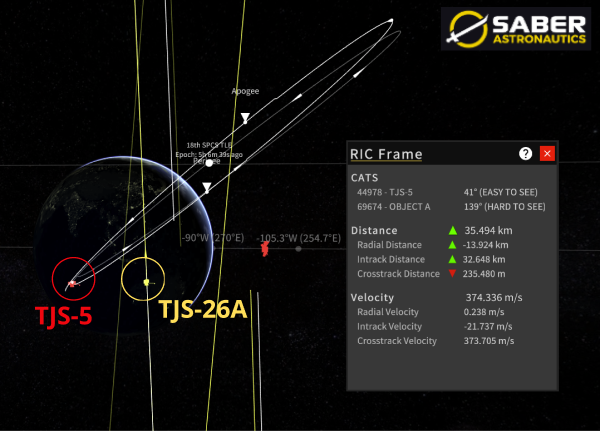
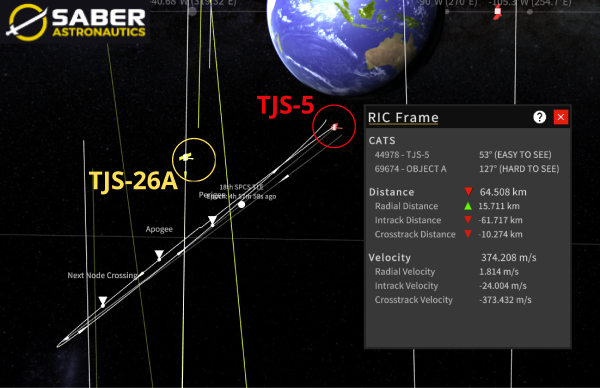
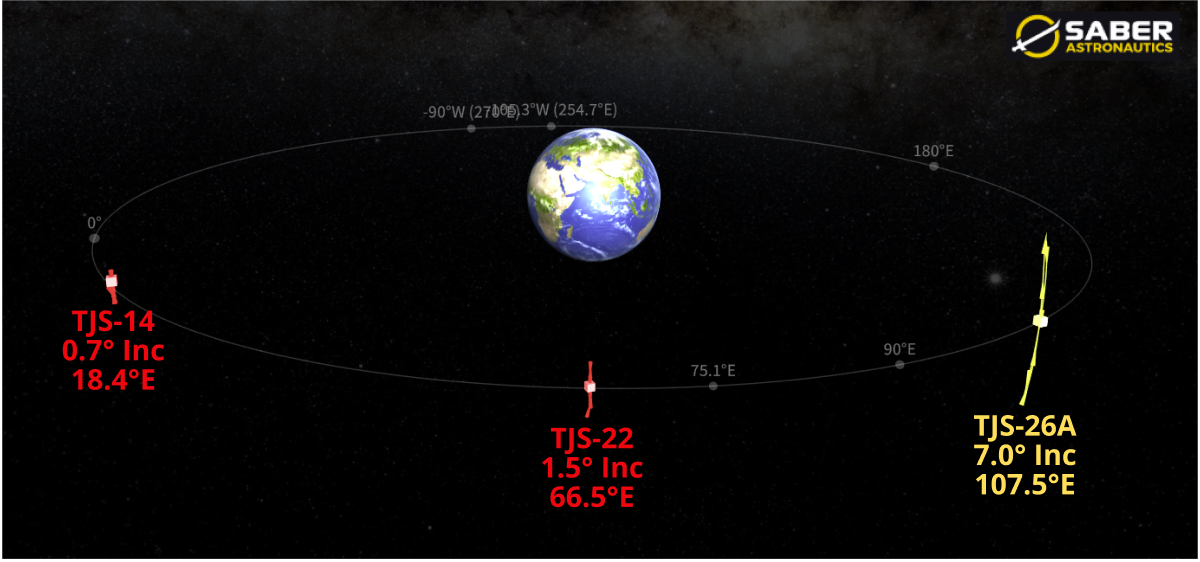
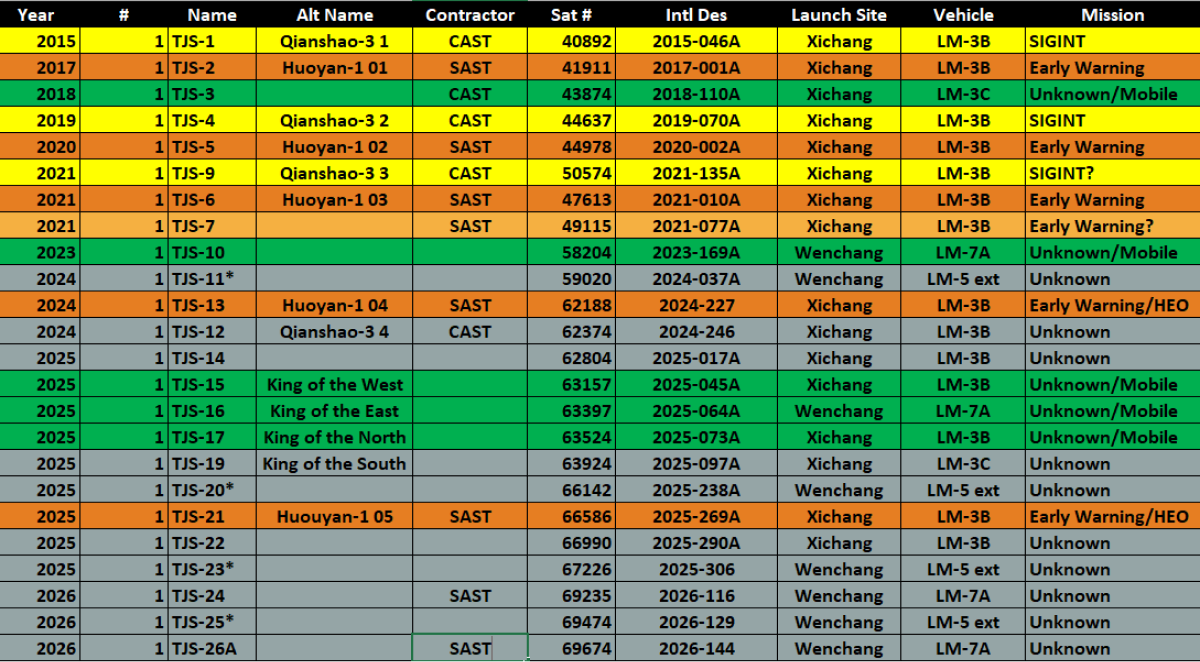
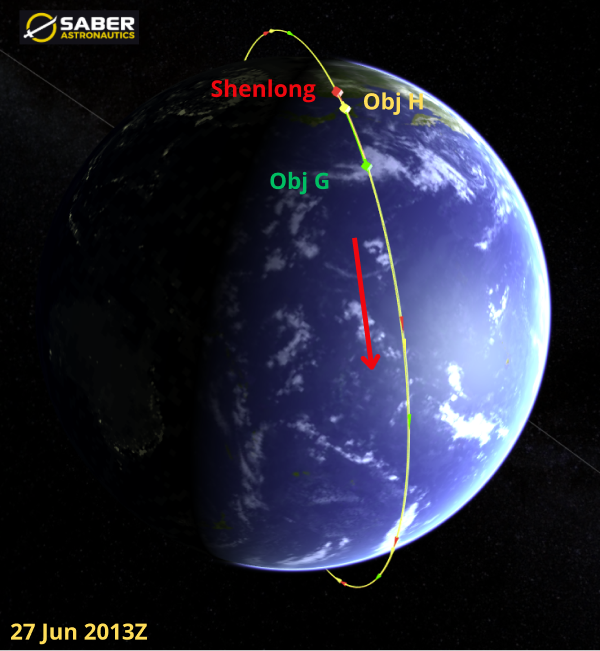
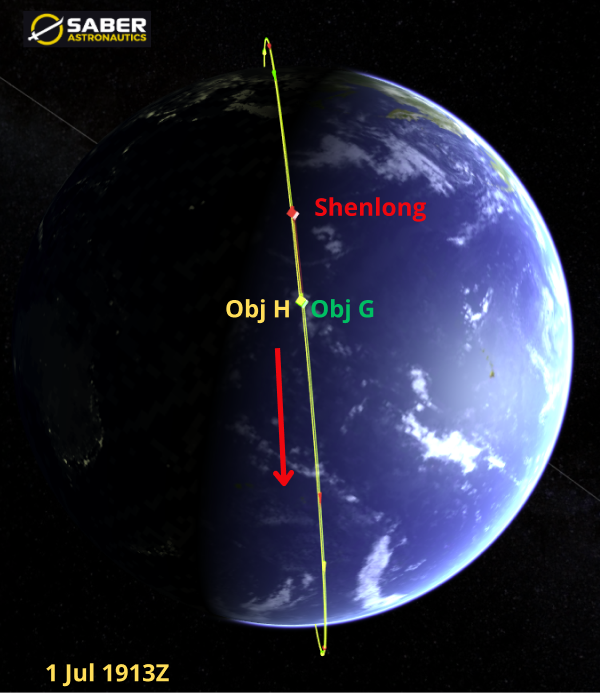
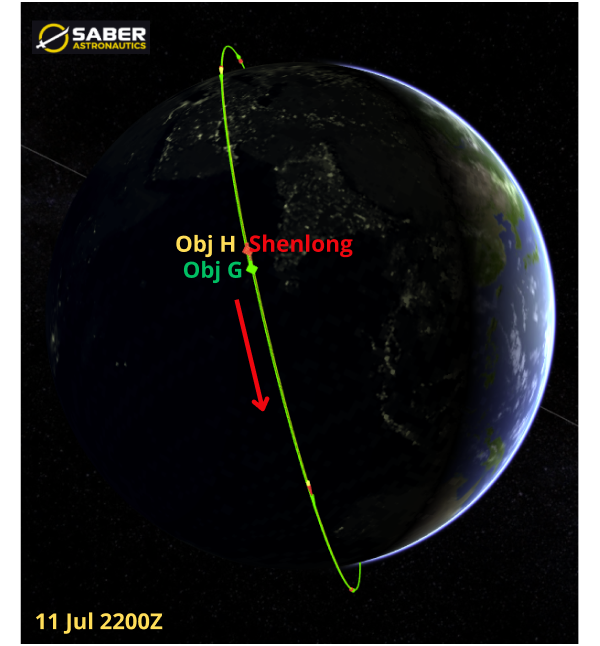
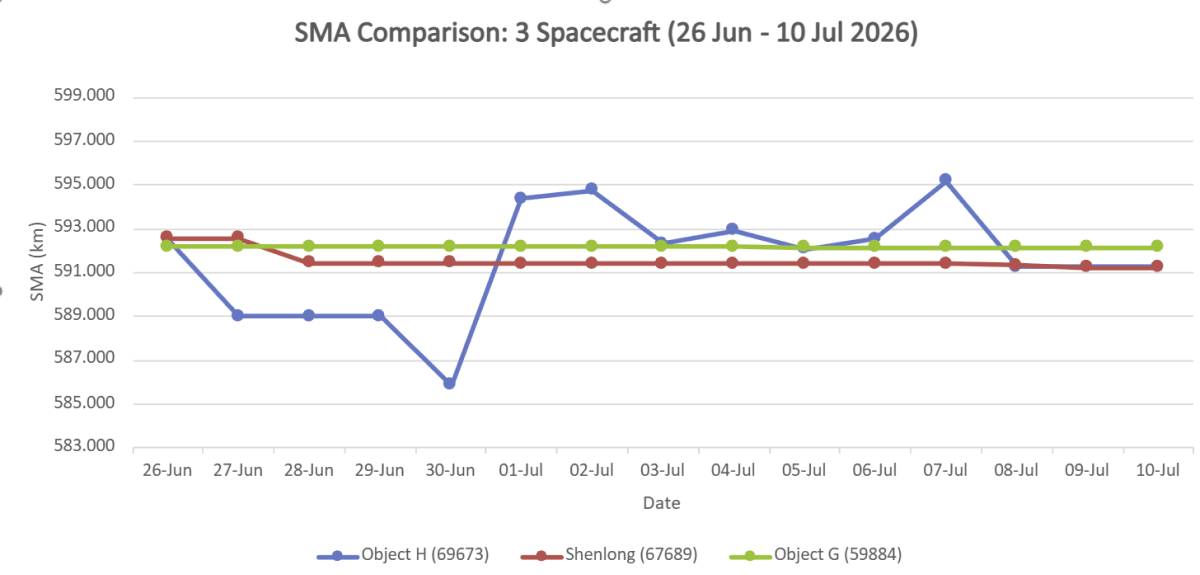
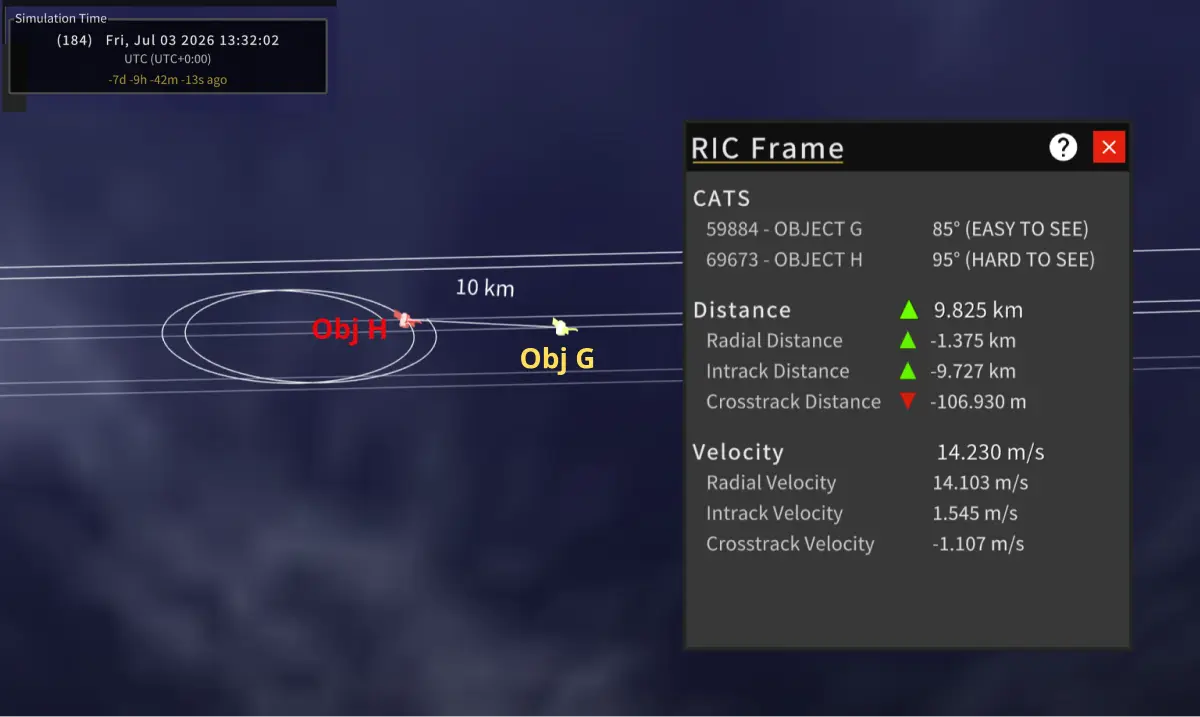
2026 has continued to affirm China’s commitment towards mirroring U.S. efforts to leverage proliferated architectures. As of 23 June, the two proliferated constellations, SatNet and SpaceSail, are now comprised of over 400x satellites in total. The Government’s SatNet has seen the addition of Groups 18-22 with typically 9x spacecraft per group. The commercial offering, SpaceSail, has surged since April by adding Groups 8-12 with typically 18x spacecraft per group. The difference in group size suggests SatNet satellites are heavier than their commercial counterparts, likely due to additional, non-advertised capabilities. China has also continued to add additional TJS-series spacecraft. These “experimental communication satellites” are notorious for moving around the GEO-belt in ways that indicate a greater mission than simply SATCOM. TJS-24,25, and 26A have joined so far this year, with the latter’s naming convention suggesting it will be part of a forthcoming pair. On 6 Feb, China launched its secretive Shenlong spaceplane for its fourth mission. Recent commercial analysis indicates the spaceplane released an object, possibly to test rendezvous & proximity operations. The Shijian-31 and Shiyan-33, launched in June and March respectively, are other high interest satellites added this year. Notably, Shijian-31 is in a highly eccentric orbit, which is a first for this family of spacecraft. Shijian, which translates to practice, satellites have in the past demonstrated on-orbit robotics and refueling capabilities, suggesting spacecraft with this nomenclature are more likely to demonstrate “closer to” operational capabilities. Shiyan, which translates to testing, satellites are more secretive and likely in the earlier phases of development.
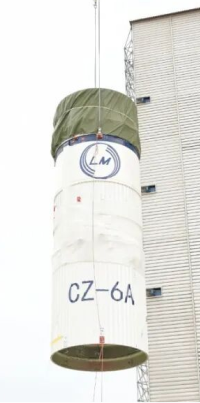
Long March 3B/E & Shijian-31 Patches (China Aerospace and Science Technology Corporation)

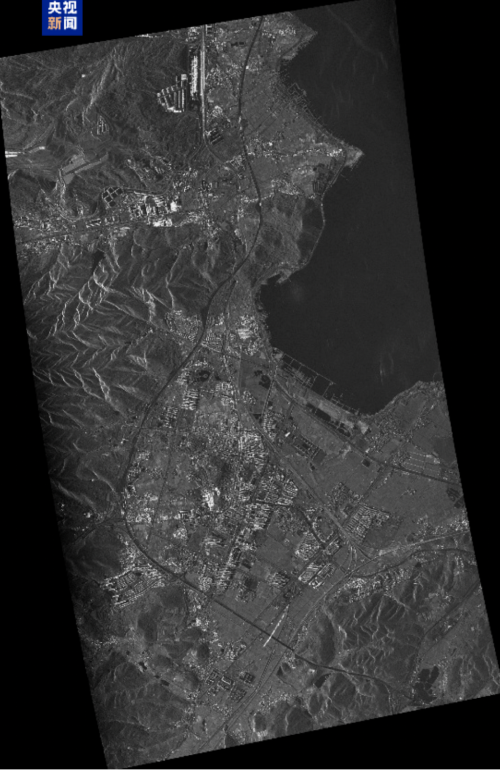
There have been notable technological breakthroughs and research efforts this year. In January, Chinese Academy of Sciences (CAS) reported they had successfully conducted a 120 Gbps space-to-ground laser communications experiment. The milestone topped previous breakthroughs of 10 Gbps in 2023 and 60 Gbps in 2025. During the experiment, a batch of synthetic aperture radar (SAR) images from AIRSAT-02 were passed to a laser ground station in northwest China. Furthermore, researchers noted the maximum continuous communication duration was 108 seconds, during which a total of 12.656 terabits of data were transmitted.

CAS added, “this achievement sets a new domestic record for satellite-to-ground laser communication transmission speed and addresses key challenges associated with ultra-high-speed links, including rapid link establishment, long-duration stable operation, and efficient, reliable data transmission.” A capability like this, once fielded at scale, could afford “high-volume remote sensing data dumps” for commercial and government users.

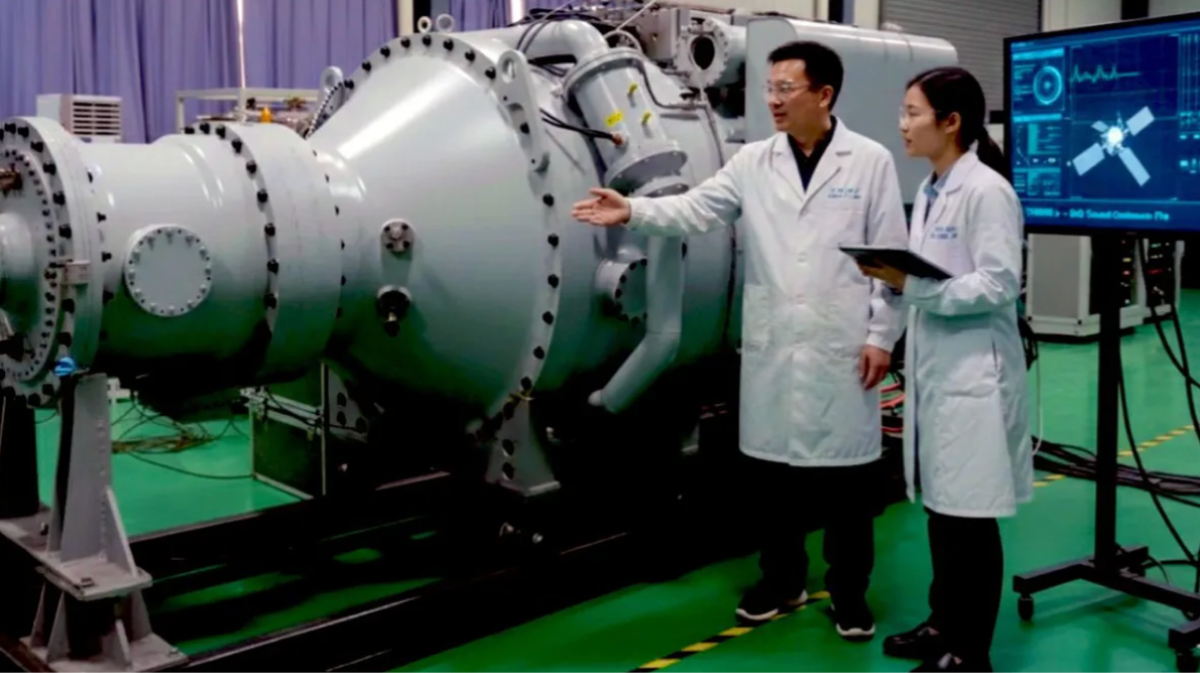
Separately, in February the Northwest Institute of Nuclear Technology in Xian claimed to have developed a compact, ultra-powerful high power microwave driver designated the TPG1000Cs. Researchers added the 12-ft long, 5-ton device can deliver 20 gigawatts of microwave power for up to 60 seconds and has allegedly completed ~200,000 test pulses thus far. Researchers explicitly described it as a counter-LEO constellation system. South China Morning Post (SCMP) even referred to it as potentially “Starlink’s worst nightmare.” China is clearly concerned with mitigating this type of technology as well. In April, a research paper funded by the China Academy of Spacecraft Technology was published, highlighting the effects of high-power electromagnetic pulse (EMP) interference. Researchers discussed how artificial EMPs can not only affect satellite communication, navigation, and other payload operations, but also easily couple to satellite electrical power systems (EPSs). This could cause problems such as overvoltage or short circuits in the satellite’s EPS seriously endangering the spacecraft’s lifespan and in orbit health condition.

TPG1000Cs High-Power Microwave Driver( SCMP)

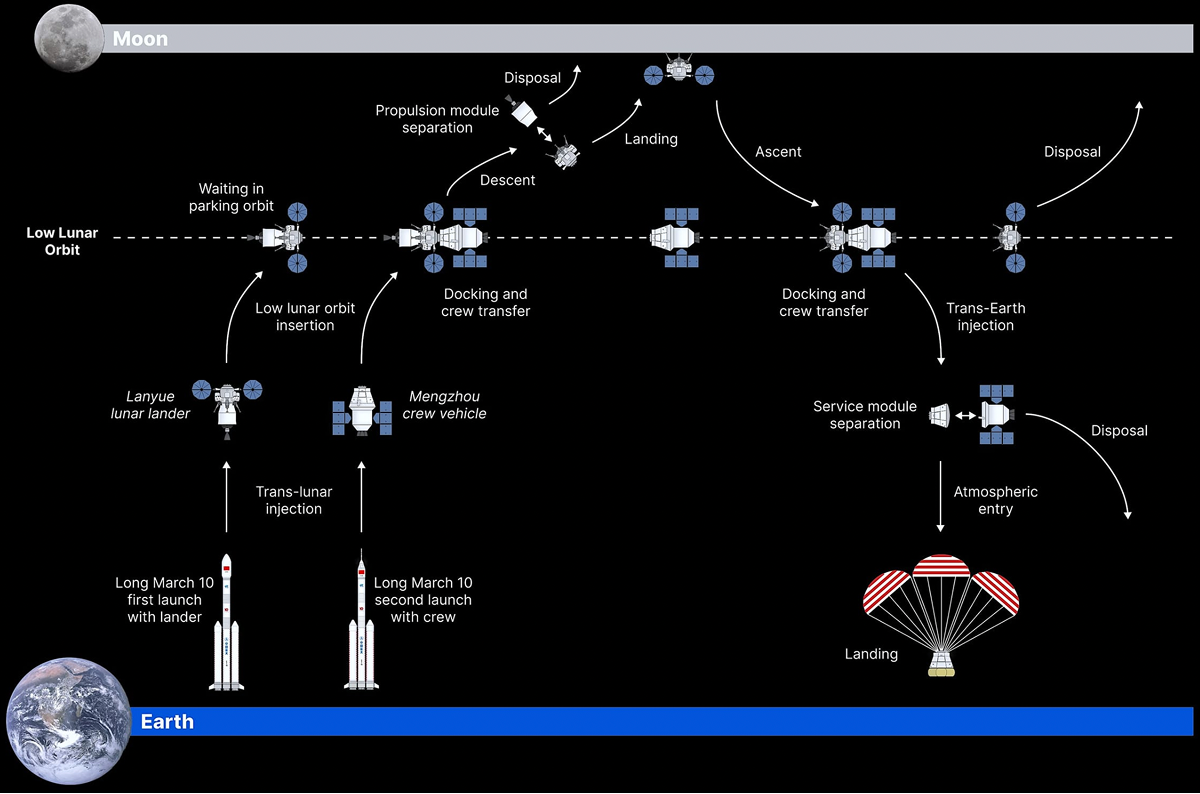
In May, China merged its crewed lunar landing program and the robotic Chang’e program into a single Lunar Exploration Project under China Manned Space Agency. Previously, the Chang’e program was overseen by the China National Space Administration. The merger aims to limit redundant efforts while fully leveraging decades of technical expertise. Several key elements of the future lunar mission have advanced this year. The Chang’e-7 arrived at Wenchang Space Launch Center in April. The spacecraft, which should launch later this summer, intends to survey the lunar south pole and is expected to carry scientific instruments developed by multiple countries. The Long March 10, which is the rocket that will carry the crew for its future lunar mission, has completed ignition testing and low-altitude demonstrations. The Mengzhou crewed spacecraft completed an emergency escape test in February and multiple large-scale ground verifications. The Lanyue lunar lander completed landing and ascent tests. Lastly, the Wangyu EVA spacesuits for the crew are undergoing engineering development. China remains laser focused on accomplishing a crewed lunar landing by 2030. The current plan is for the Long March 10 to launch the Mengzhou and Lanyue separately, dock in lunar orbit, and have 2-3 taikonauts land/stay on the moon for approximately 6 hours.
Overview of Future Lunar Mission Profile and Architecture (Jatan.Space)