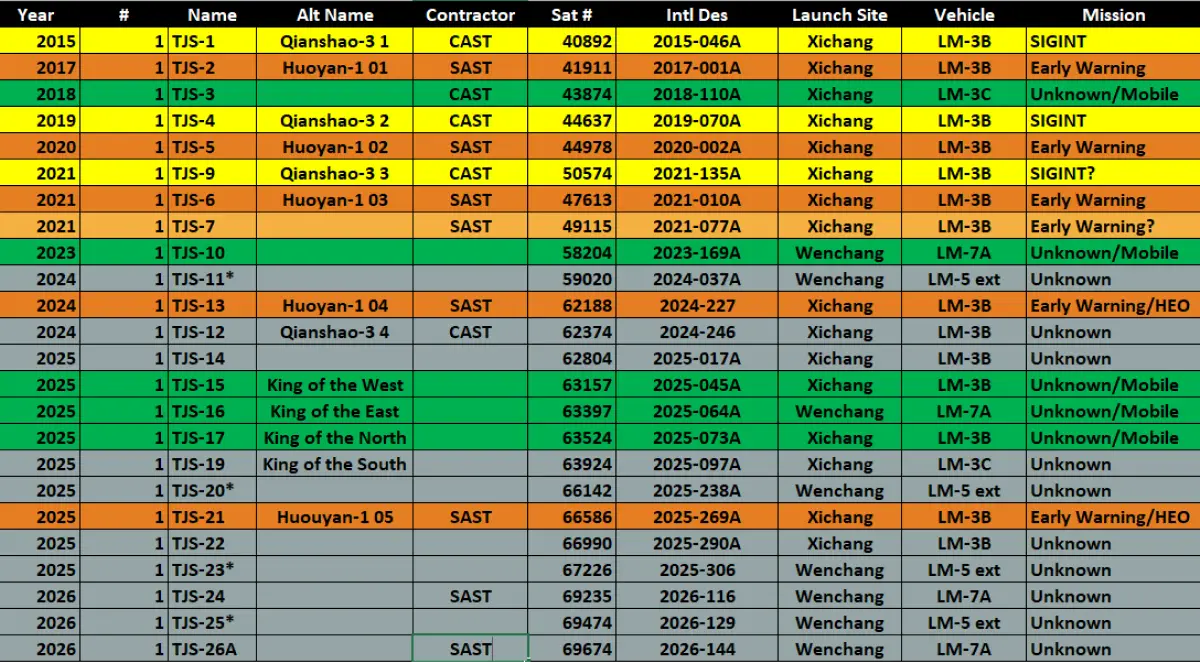
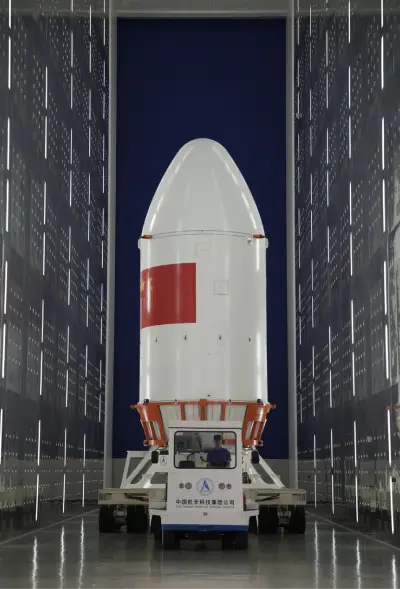
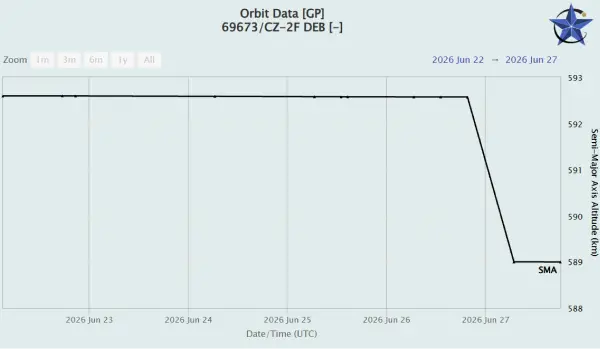
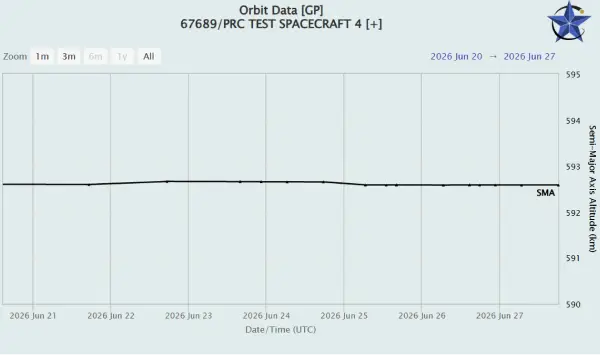
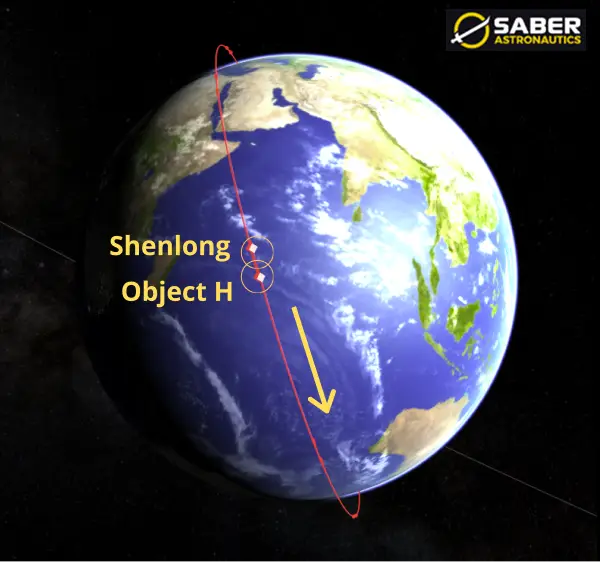
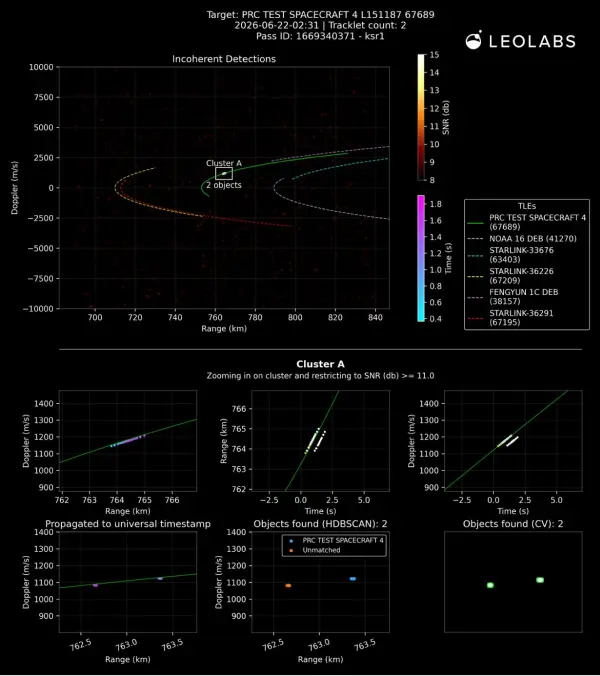
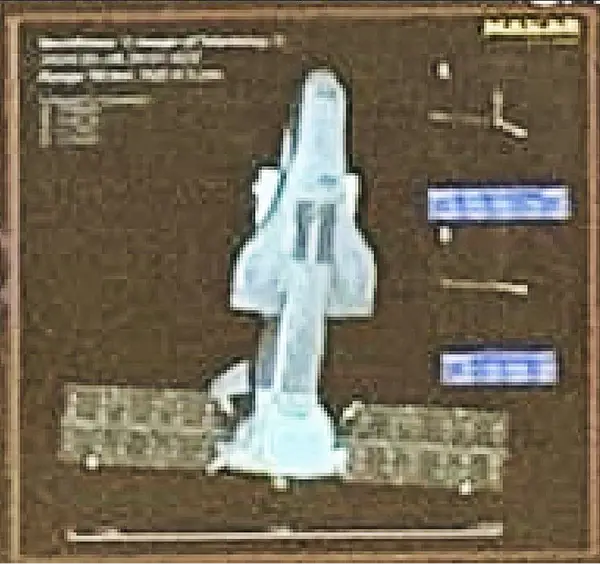
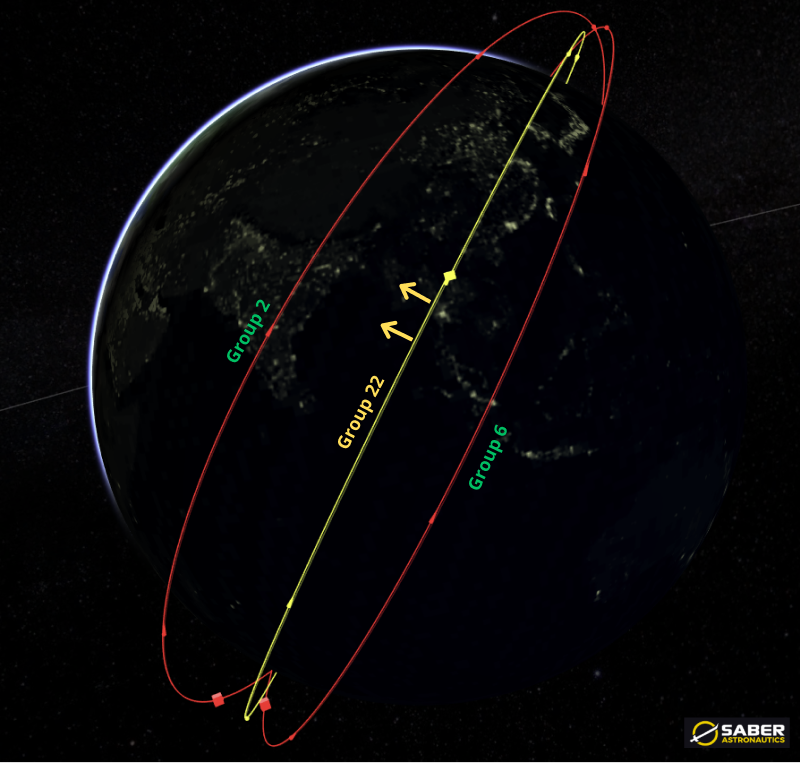
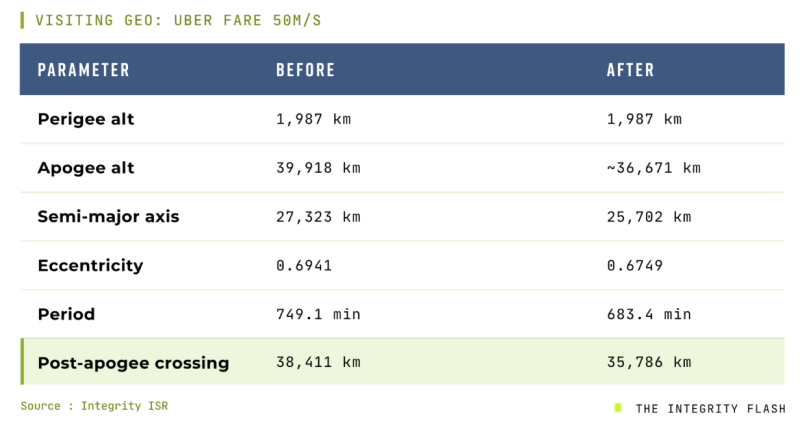
Molniya orbits take advantage of Earth’s oblateness (J2 perturbation) at the critical inclination of approximately 63.4° to stabilize the Argument of Perigee over time. SJ-31 is China’s fifth HEO satellite, joining SY-10 01 (49258), SY-10 02 (54878), TJS-13 (62188), and TJS-21 (66586). China has synchronized the orbits of SY-10 01 with TJS-13 and SY-10 02 with TJS-21 to provide “dual ball” missile warning coverage over the Northern Hemisphere. While all 5 satellites share similar inclination and eccentricity values, China has deployed SJ-31 into an orbit unsuitable for detecting heat signatures rising over the Arctic; rather the satellite is in a unique position loiter over the equator, an advantageous position to monitor satellites orbiting in the Geosynchronous belt. Adding to the intrigue, with SJ-31’s orbit, characterizing its capabilities will be quite sporting…maybe impossible.
SJ-31’s orbital configuration is unusual. Traditional Molniya orbits are oriented to place apogee over the northern hemisphere, typically achieved with an Argument of Perigee near 270° (China’s other 4 HEO satellites have this trait), which maximizes dwell time at high northern latitudes. For comparison, Shiyan-10 02 (54878) operates in a more typical Molniya orbit, with apogee positioned over the northern hemisphere and an Argument of Perigee near 270°, prioritizing high-latitude coverage.
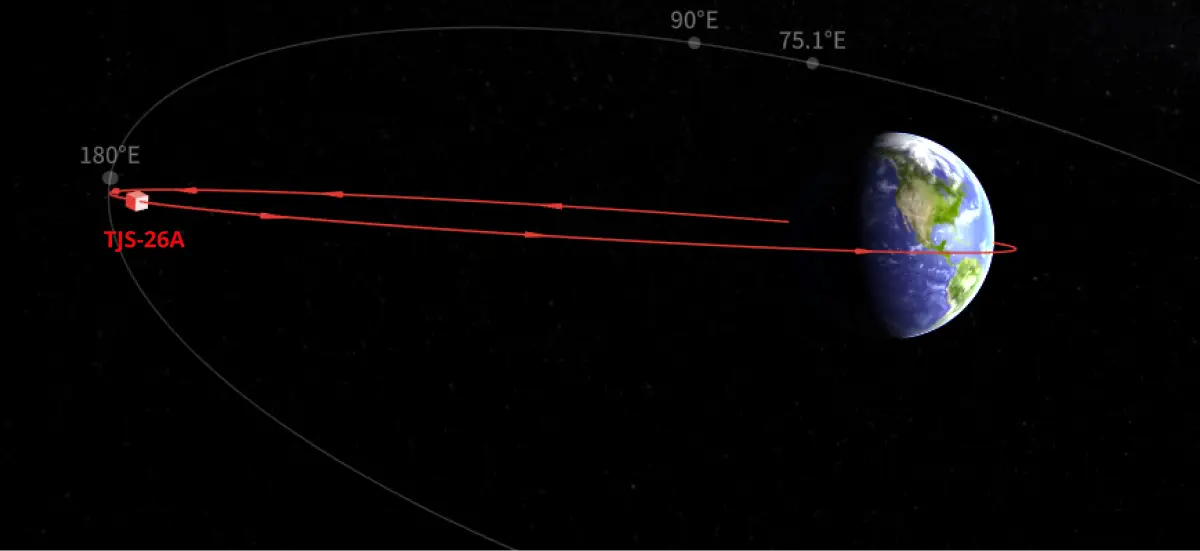
SJ-31 instead has an Argument of Perigee of approximately 171°, placing apogee just south of the equator as the satellite approaches its ascending node. This results in extended dwell time over equatorial regions rather than the Arctic.


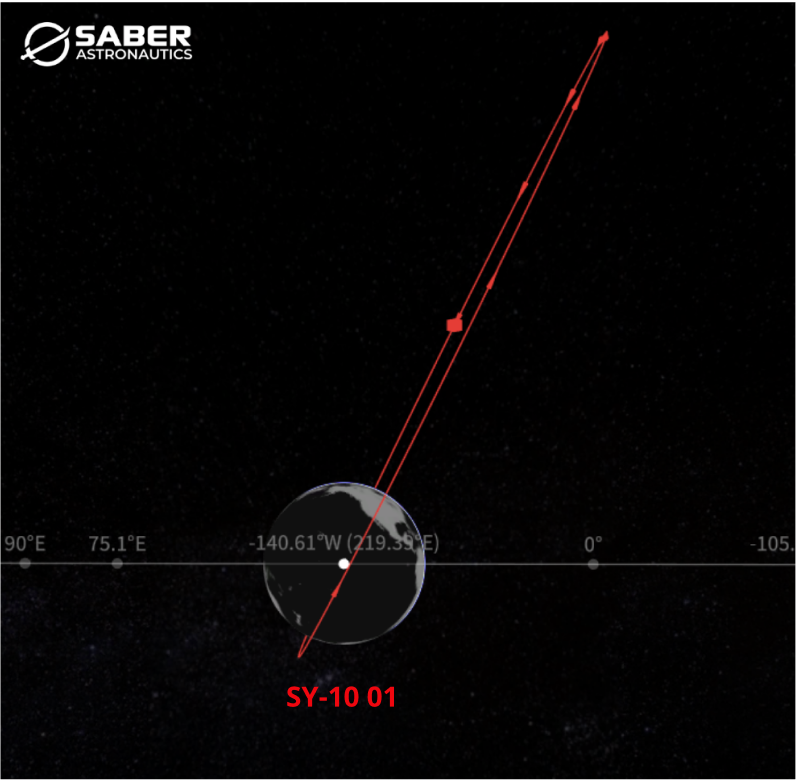
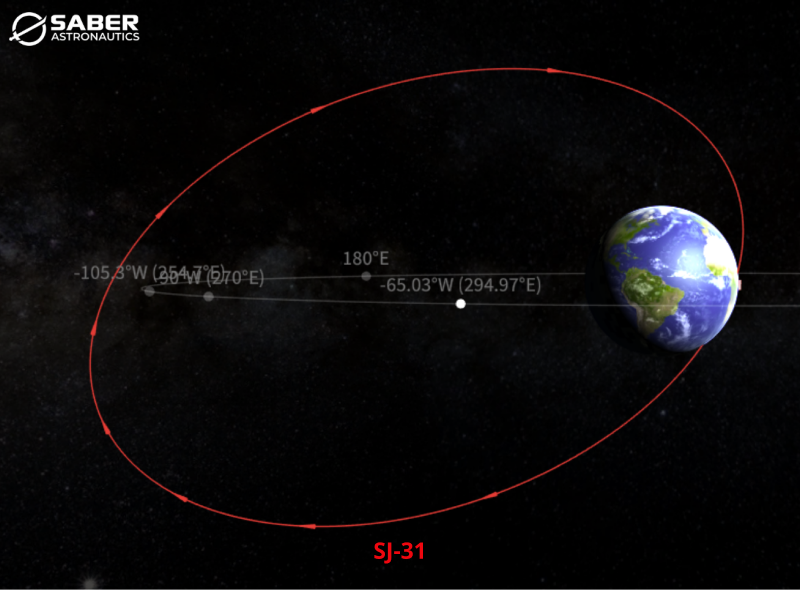
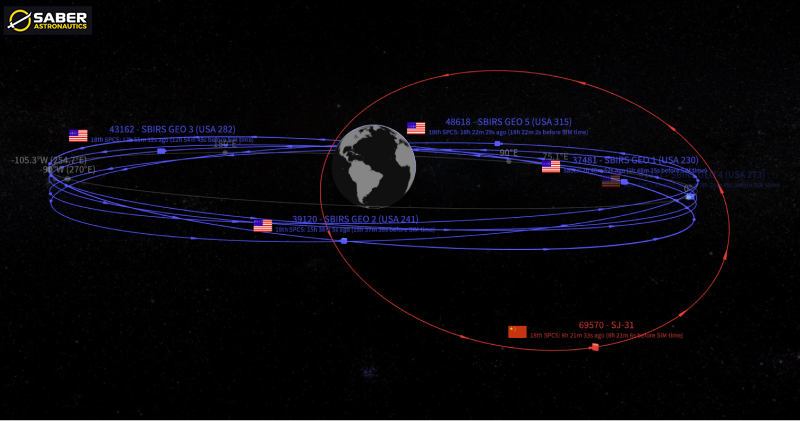
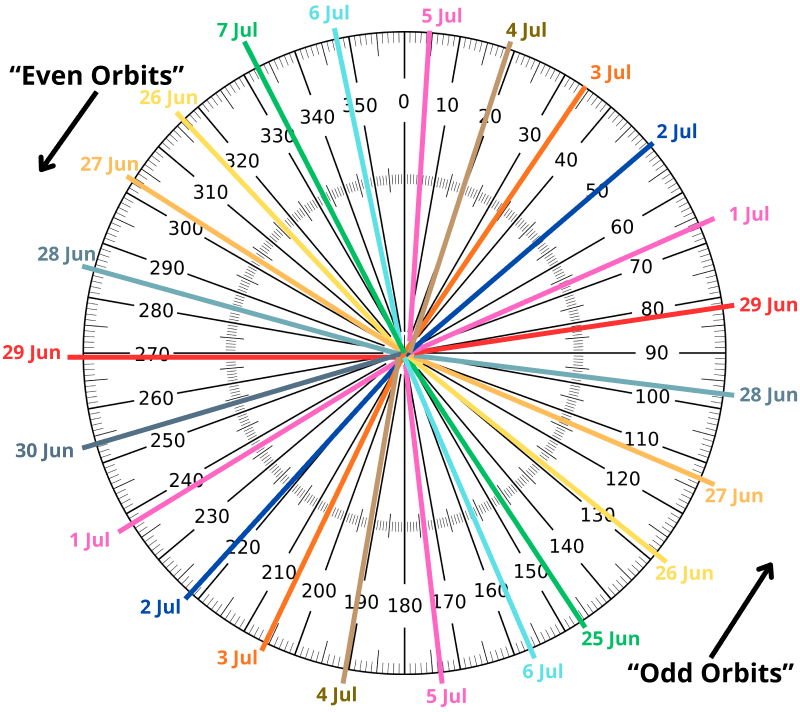
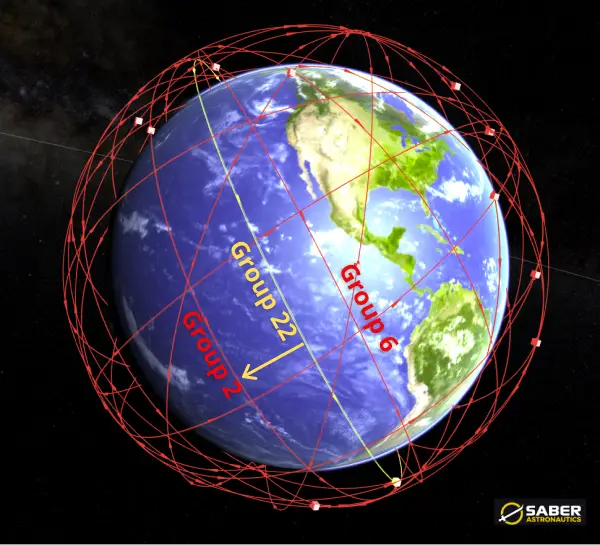
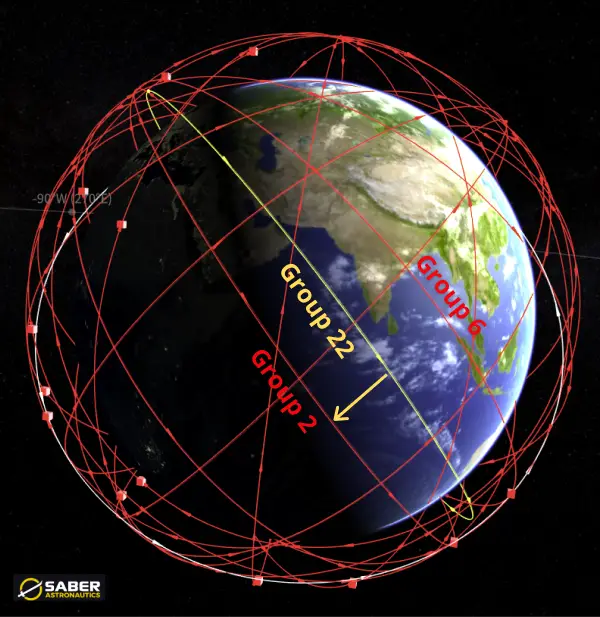
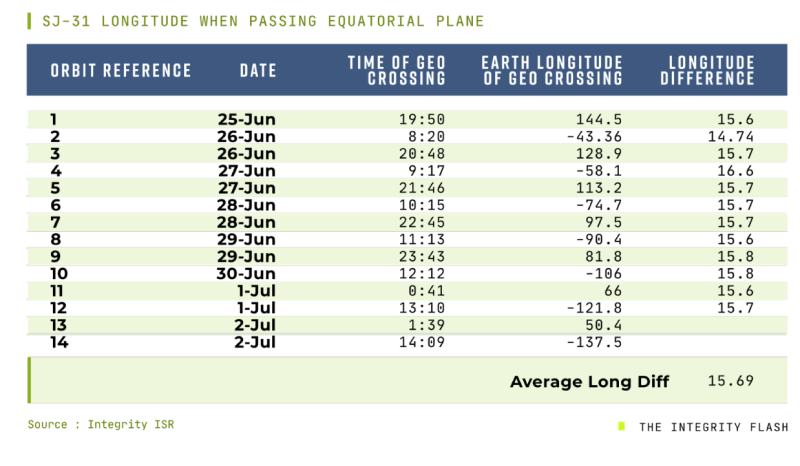
Due to SJ-31's 12.5hr Orbital Period the Satellite Circles the Entire GEO Belt Every 12 Days
(saberastro.com)



 First, a huge thank you to Jack Anthony and Richard “Oz” Osedacz to helping me understand the various gravitational forces which dominate in GEO and how satellite operators work to keep their systems in operation.