Issue 148

China Resumes Operational Guowang Lunches w/ Group 22

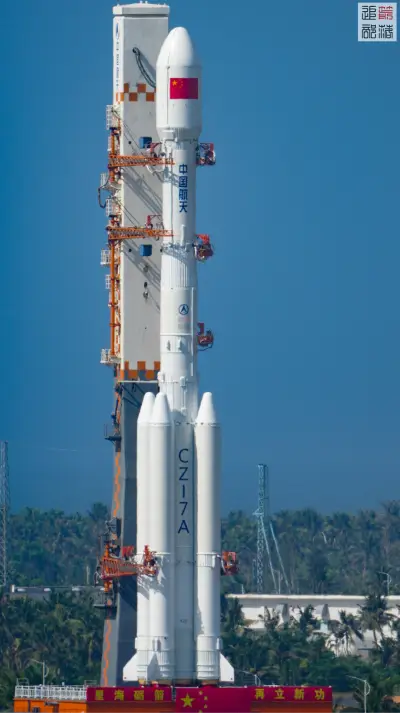
17 Jun 2026: China launched a Long March-12 with the 22d group of Guowang (China SatNet LEO) satellites from Wenchang. According to official sources, the 9 satellites (69572-69580) entered the preset orbit successfully. As with other Wenchang launches, China placed the satellites into an 50.0° incli

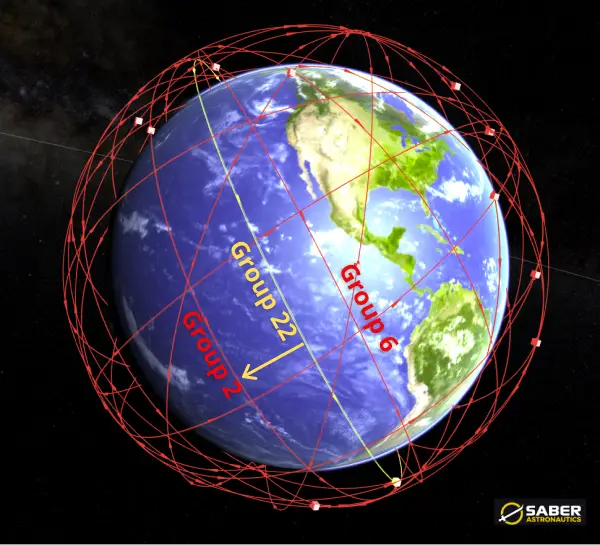
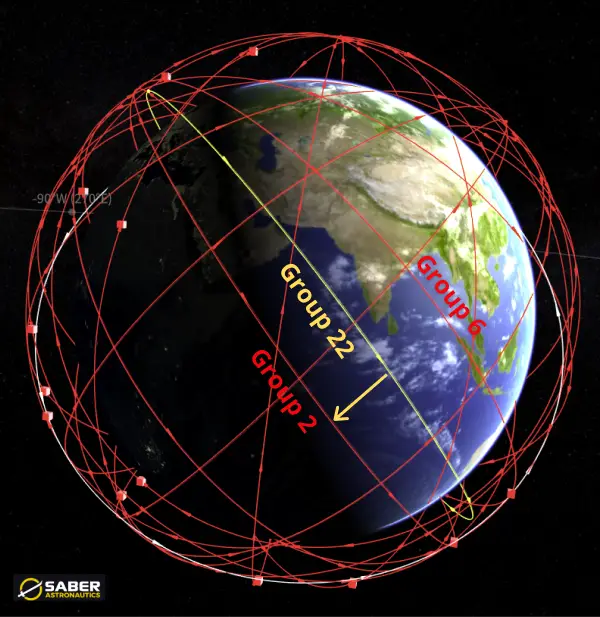
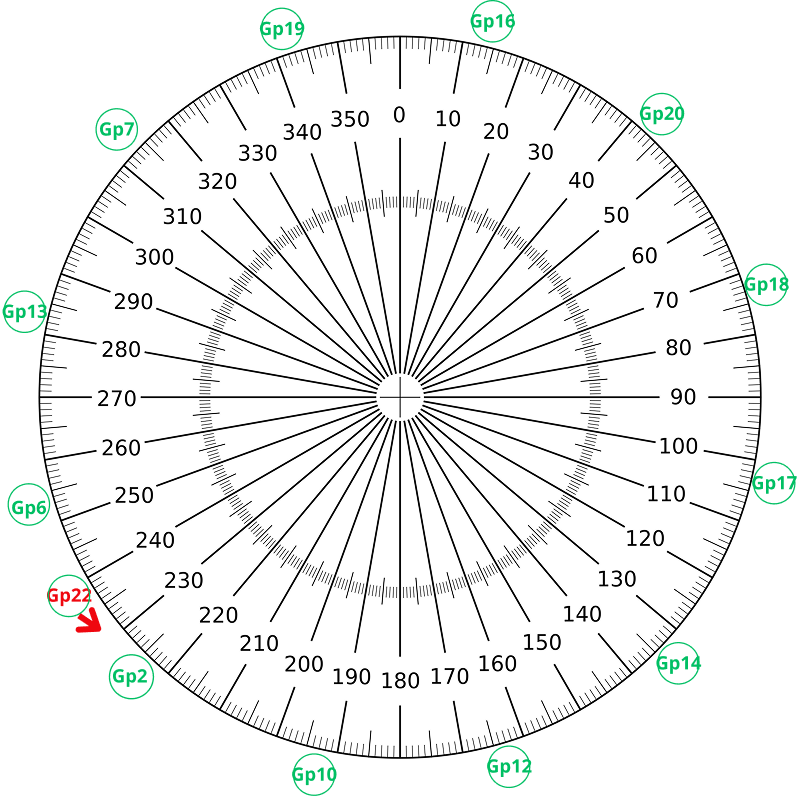
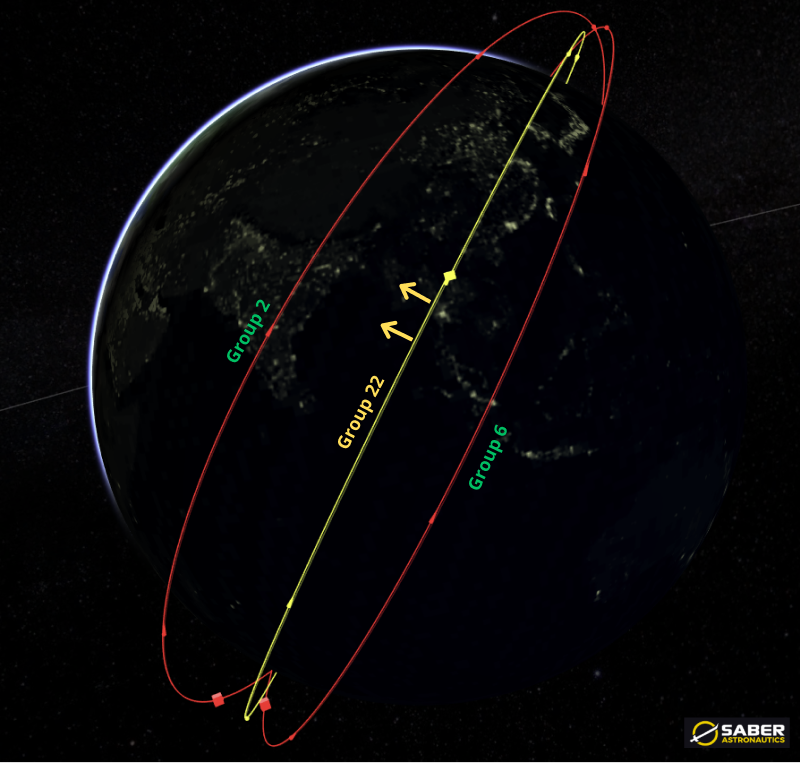
17 Jun 2026: China launched a Long March-12 with the 22d group of Guowang (China SatNet LEO) satellites from Wenchang. According to official sources, the 9 satellites (69572-69580) entered the preset orbit successfully. As with other Wenchang launches, China placed the satellites into an 50.0° inclined orbit. China launched Group 22 into an orbit west of Group 2 and east of Group 6. Because the Group 22 satellites have an initial average altitude ~250km lower than the Groups 2 and 6 the Group 22 satellites will precess to the west at a greater rate (see graphic) and I suspect Group 22 will eventually become co-planar with Group 2. Once this happens (2-3 months from now) the total number of satellites in that plane will be 18.

There are now 179 operational Guowang satellites in LEO (there are also 3 GEO satellites associated with Guowang). As of 20 Jun 2026, 21 of 22 Guowang groups have reached their operational altitudes and the satellites appear to be much more reliable than their Qianfan counterparts. It appears China may have paused launching to conduct testing over the past two months as this is the first operational Guowang launch since 8 April 2026 (70 day interval). Average time between launch for the first 21 groups was just 24 days. With a stated goal of reaching 310 satellites on orbit by 2027, China will need to launch 131 satellites in the next 5.5 months. Group 22 Launch Video.

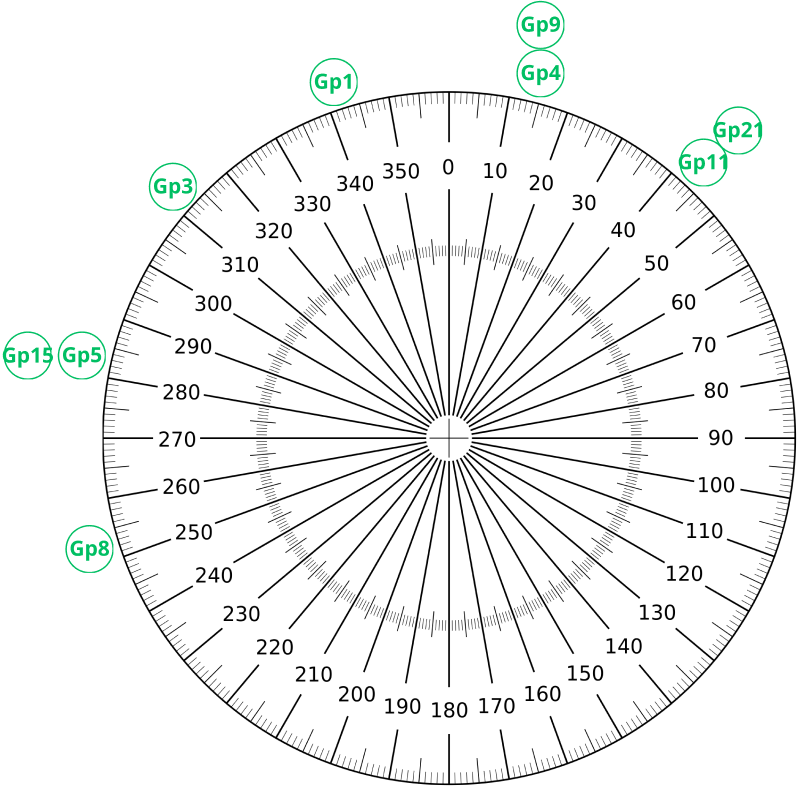
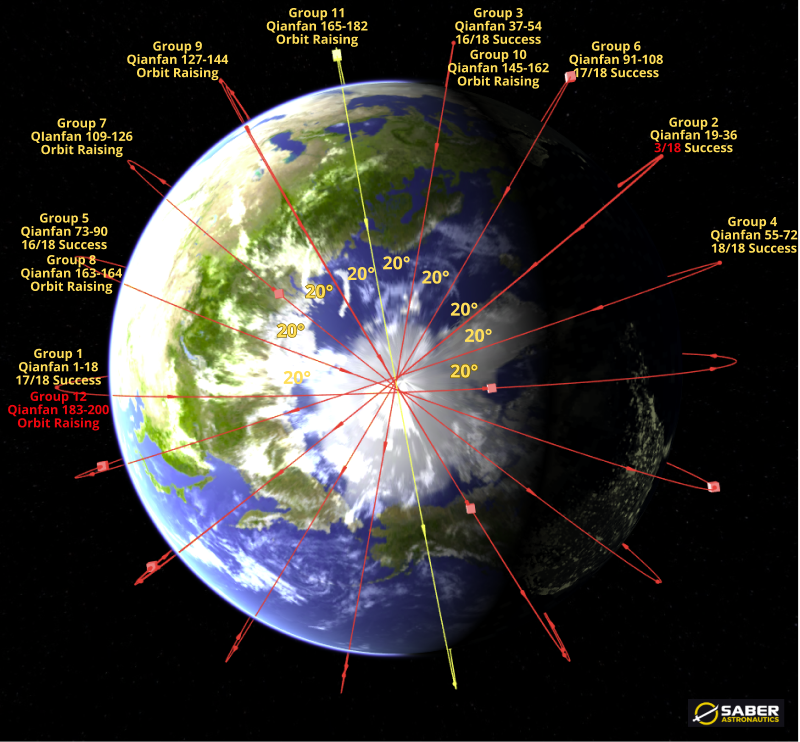
– China is building out the Guowang constellation with orbits inclined either 50.0° or 86.5°. Currently there are 119 satellites in 12x 50.0° orbital planes (9 satellites/plane) and 60 satellites in 6x 86.5° orbital planes (10 satellites/plane). Orbit planes have a 30° RAAN separation.
– Launch Summary + number of days to target SMA…1,167.9km for 86.5° or 1,149.3km for 50.0°

  • Group 1 (16 Dec 2024): 10 sats on LM-5B. 86.5° inclination (110 days)
  • Group 2 (11 Feb 2025): 9 sats on LM-8A. 50.0° inclination (77 days)
  • Group 3 (28 Apr 2025): 10 sats on LM-5B. 86.5° inclination (34 days)
  • Group 4 (5 Jun 2025): 5 sats on LM-6A. 86.5° inclination (with Gp 9) (106 days)
  • Group 5 (27 Jul 2025): 5 sats on LM-6A. 86.5° inclination (with Gp 15) (58 days)
  • Group 6 (30 Jul 2025): 9 sats on LM-8A. 50.0° inclination (103 days)
  • Group 7 (4 Aug 2025): 9 sats on LM-12. 50.0° inclination. (117 days)

  • Group 8 (13 Aug 2025): 10 sats on LM-5B. 86.5° inclination (32 days)
  • Group 9 (17 Aug 2025): 5 sats on LM-6A. 86.5° inclination (with Gp 4) (52 days)
  • Group 10 (25 Aug 2025): 9 sats on LM-8A. 50.0° inclination. (86 days)
  • Group 11 (27 Sep 2025): 5 sats on LM-6A. 86.5° inclination. (with Gp 21) (54 days)

  • Group 12 (16 Oct 2025): 9 sats on a LM-8A. 50.0° inclination (85 days)
  • Group 13 (10 Nov 2025): 9 sats on a LM-12. 50.0° inclination (95 days)
  • Group 14 (6 Dec 2025): 9 sats on a LM-8A. 50.0° inclination. (86 days)
  • Group 15 (8 Dec 2025): 5 sats on a LM-6A. 86.5° inclination (with Gp 5) (58 days)
  • Group 16 (11 Dec 2025): 9 sats on a LM-12. 50.0° inclination. (102 days)
  • Group 17 (25 Dec 2025): 9 sats on LM-8A. 50.0° inclination. (74 days)
  • Group 18 (13 Jan 2026): 9 sats on LM-8A. 50.0° inclination (63 days)
  • Group 19 (19 Jan 2026): 9 sats on LM-12. 50.0° inclination (64 days)
  • Group 20 (12 Mar 2026): 9 sats on LM-8A. 50.0° inclination (57 days)
  • Group 21 (8 Apr 2026): 5 sats on LM-6A. 86.5° inclination (with Gp 11) (55 days)
  • Group 22 (17 Jun 2026): 9 sats on LM-12. 50.0° inclination (heading toward Gp 2)


– Additional Notes from China In Space:

  • “GuoWang satellites launched atop of the Long March 12 and the Long March 8A use the mega-constellations’ small satellite platform, weighing about 695 kilograms each. A large satellite platform, around thirty percent bigger and weighing up to 1,000 kilograms, is launched via the Long March 5B and Long March 6A. Both platforms utilize electric propulsion systems to maneuver in orbit, powered by two solar panels.”

Editor’s Note: The small satellite platform is used for the 50° inclined orbits while the larger platform heads to the 86.5° inclined planes. Unfortunately China is continuing its irresponsible launch protocol of depositing the upperstage rocket bodies in orbits which will take centuries to decay and re-enter the Earth’s atmosphere. For this launch the LM-12 rocket body (69581) is in a 910x798km orbit…it will remain in orbit 200-400 years. See S2A systems video of the Rocket Body in orbit.

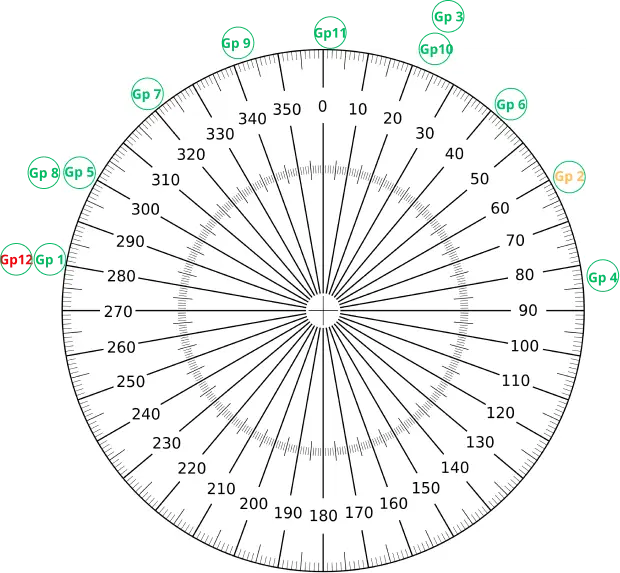
20 June (top) and 28 Jun (below) Equatorial View of Guowang’s 15 Operational Orbital Planes. Notice Group 22 Slowly Heading West Toward Group 2 and Further from Group 6. (saberastro.com)
20 June 2026: 6x 86.5° Inclined Planes 30° RAAN Offset. 10x Satellites / Plane (saberastro.com)
20 Jun 2026: 12x 50° Inclined Planes with 30° RAAN Offset
9 Satellites / Group. Group 22 Heading Toward Group 2 Orbit Plane(saberastro.com)
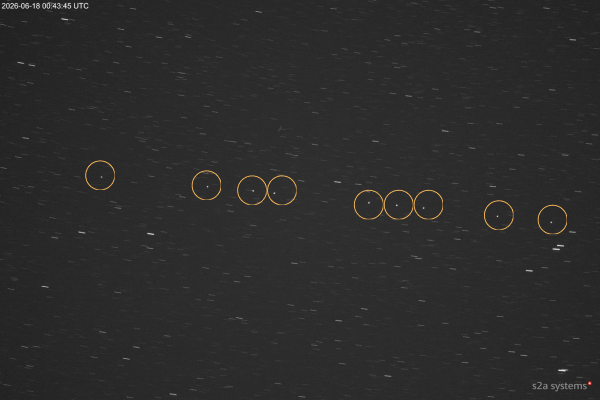
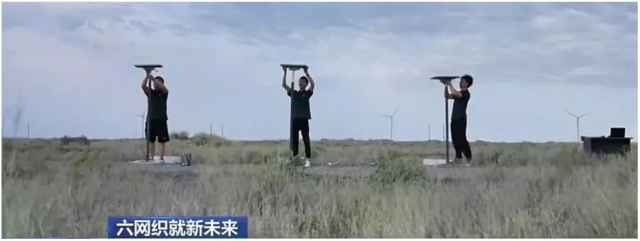
18 June 2026: Image of 9 Group 22 Satellites (s2a systems via Linked In)
20 June 2026 View: China Launched Group 22 into Orbit plane East of Group 6 and West of Group 2. Due to Group 22’s lower SMA, its RAAN will shift west at a faster rate than Groups 2 or 6. China will time SMA increases to result in Group 22 being coplanar with Group 2. It typically takes 2-3 months for Guowang Satellites to Reach their Operational SMA. (saberastro.com)