




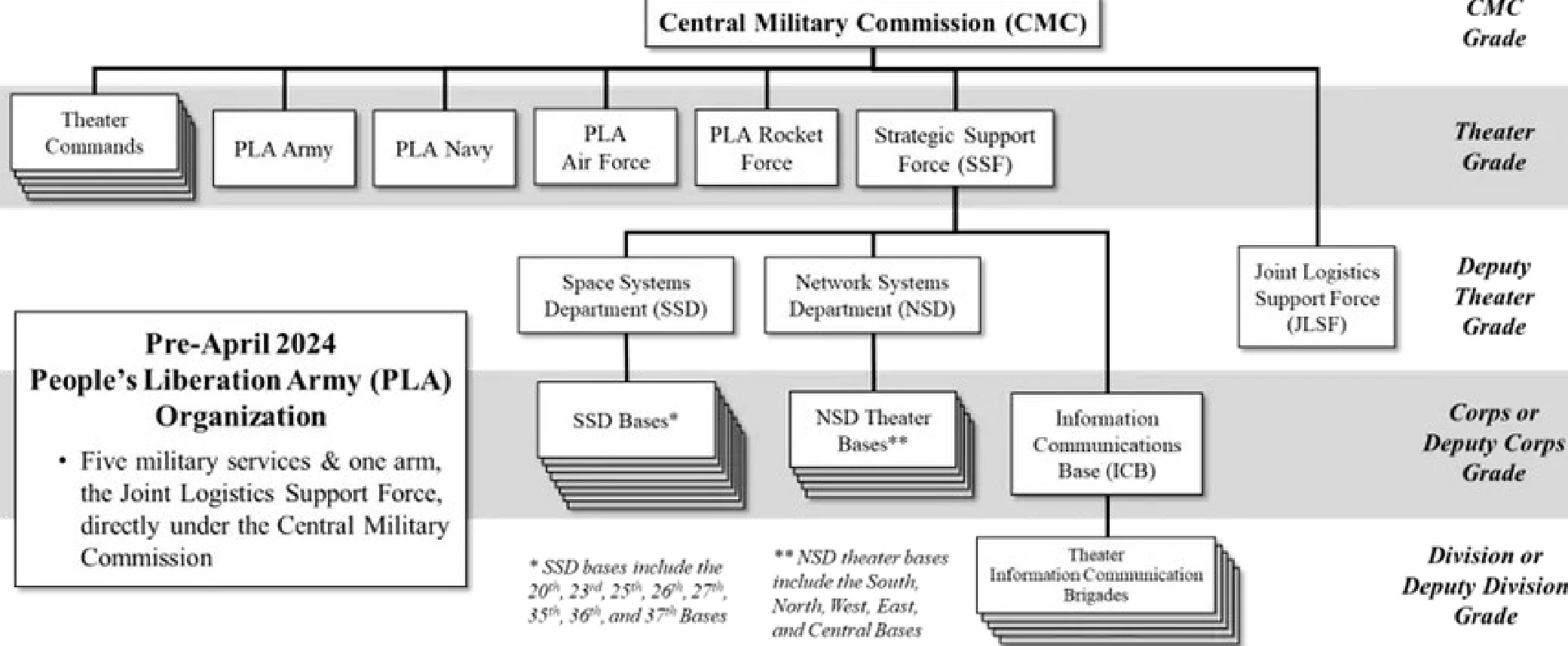
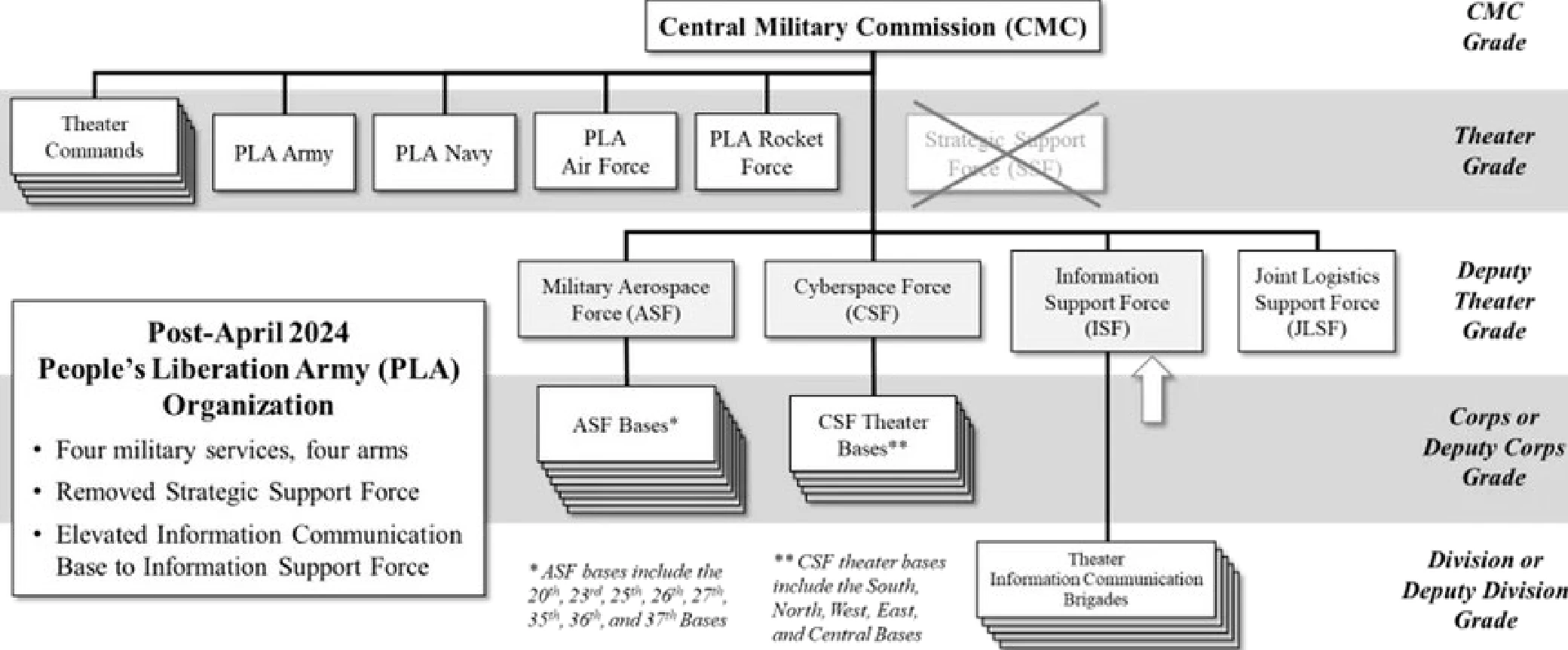
19 Apr 2024: Xi Xinping announced a major restructuring of the Chinese military with the creation of a new Information Support Force (ISF) and the disbandment of the Strategic Support Force (SSF). The re-organization represents the largest since 2015 when China established the SSF. During his remarks Xi declared the…
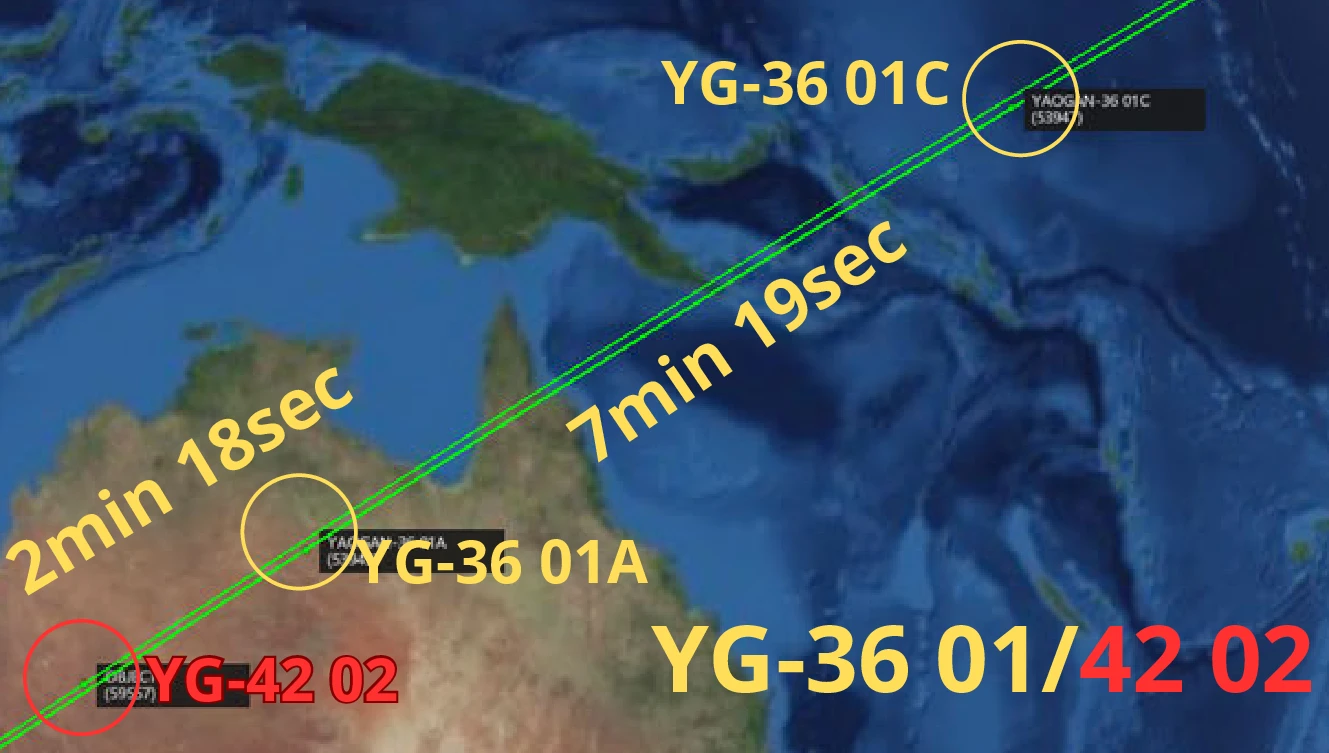
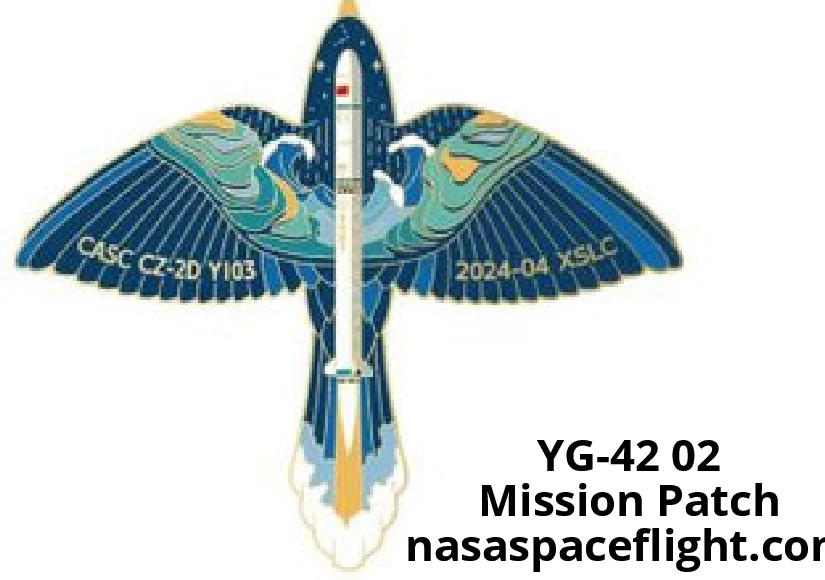
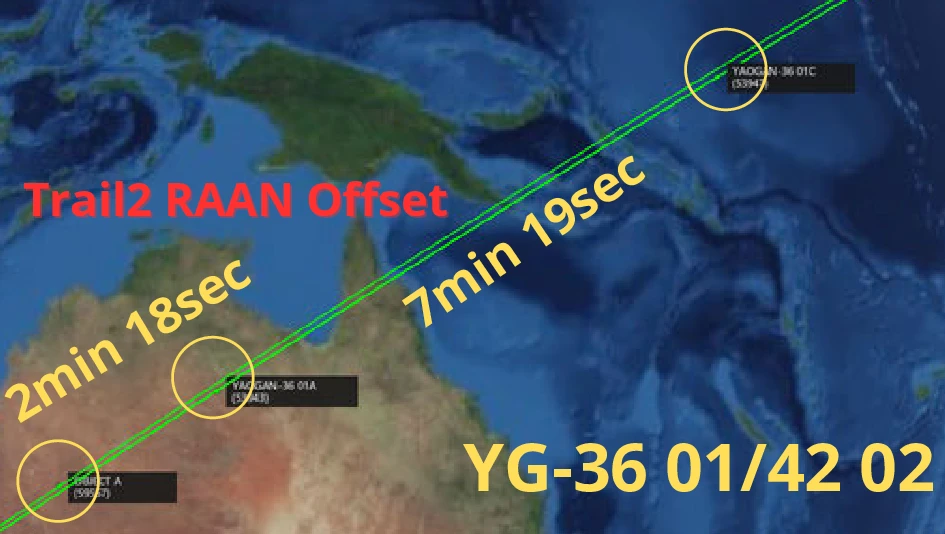
22 Apr: China launched a Long March 2D from Xichang carrying the second Yaogan-42 satellite (YG-42 02) into low earth orbit. This was the second YG-42 launch in less than three weeks as YG-42 01 launched on 2 Apr. China placed YG-42 02 into nearly the same orbital plane as an existing YG-36 01 formation and it appears…
– YG-36 01C, YG-36 01A and YG-42 02 are all inclined 35°. Their SMAs are within 2km of one another and their eccentricity values
are also nearly identical. However, the RAAN for YG-42 02 is ~9° greater than the RAAN for YG-36 01C or 01A (116.5° vs 107.6/107.7°)
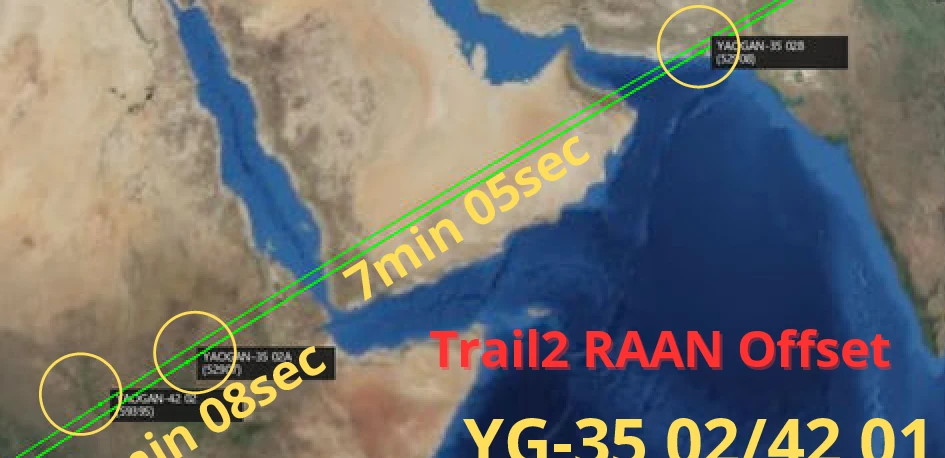
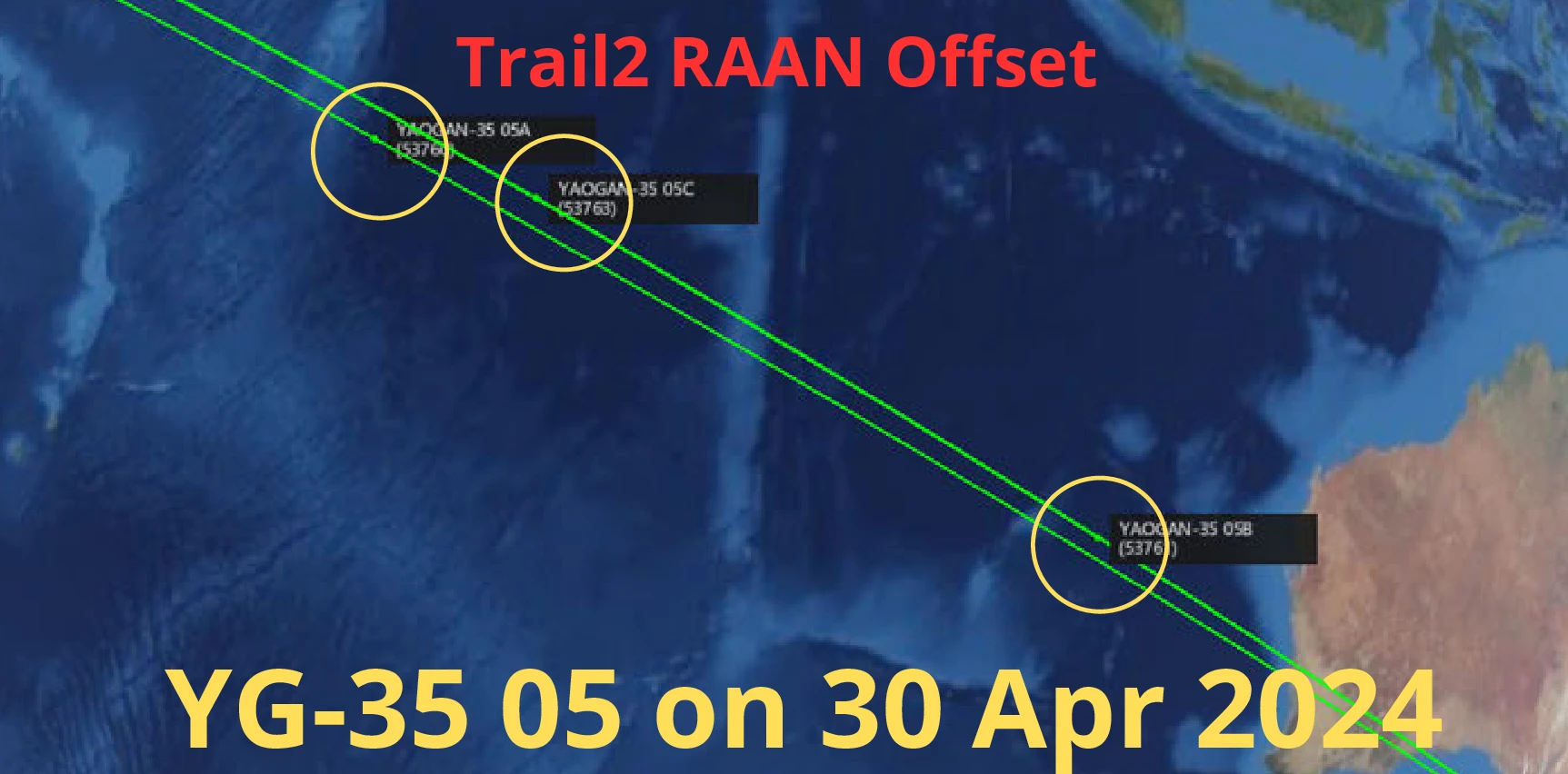
– The RAAN offset for the “Trail2” satellite is also present in the newly formed YG-35 02B (Lead), YG-35 02A (Trail1) and YG-42 01 (Trail2) triplet.
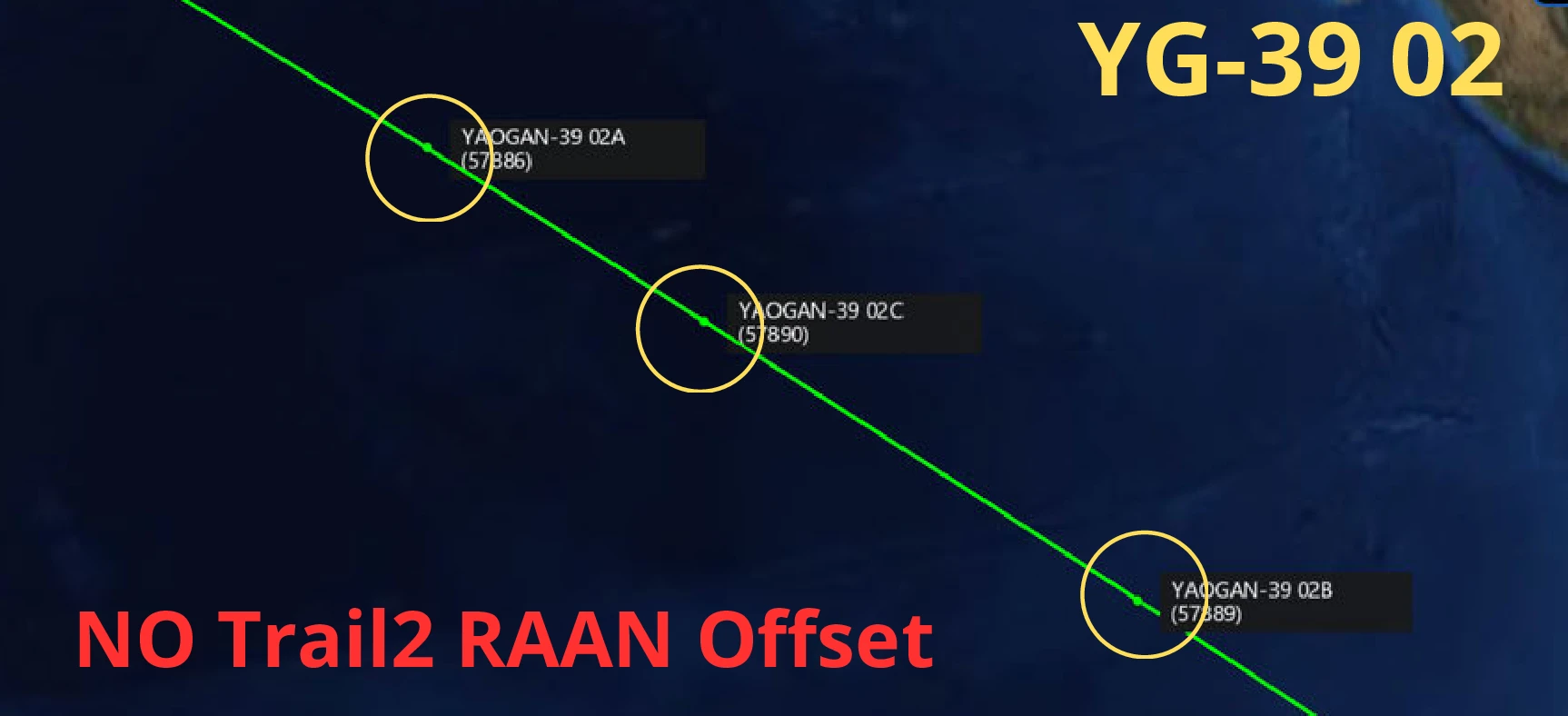
-China may be experimenting with these formations in attempts to improve whatever mission each triplet is attempting to conduct. We may observe similar evolution of other formations in the near future (see next article).
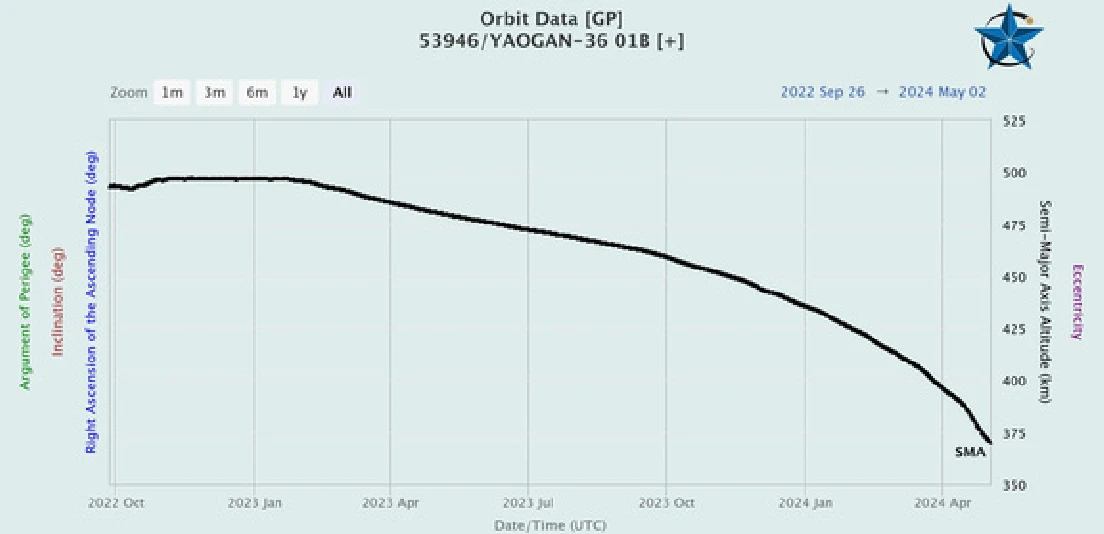
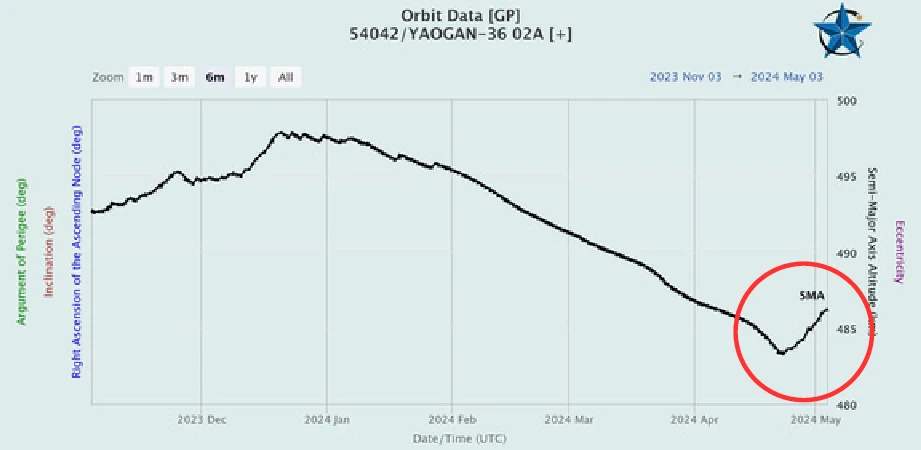
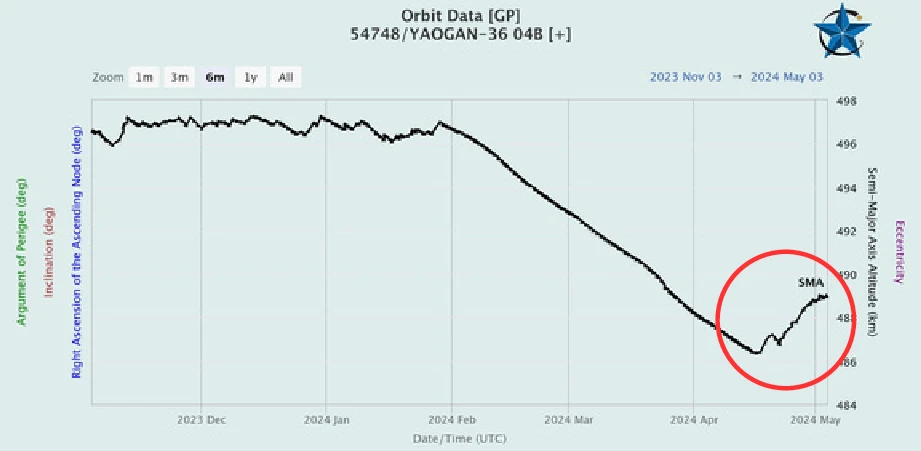
1 May: For the first time since ~29 Jan 2024, China has increased the altitude for 6 of its 7 YG-35 & YG-36 Trail2 satellites. The maneuvers may be an indication that the satellites are going to rejoin their Lead & Trail1 satellites in the near future. As noted in the previous article, China appears to be replacing two…
The next two articles examine Russian and Chinese space operations in what is called Very Low Earth Orbit (VLEO). VLEO describes the orbit of any spacecraft with a semi-major axis (SMA) or altitude of 300km or less. I asked Jack Anthony to take a look at VLEO operations and he (as always) was nice enough to oblige! How…
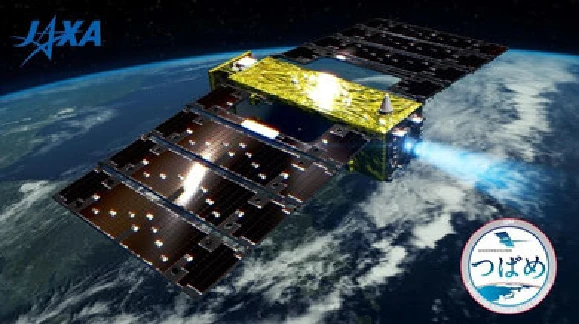
completely novel. There have been several space missions in the past 10-15 years that operated in VLEO. The European Space Agency’s Gravity Field and Steady-State Ocean Circulation Explorer was operational from March 2009 to November 2013. It needed to be close to the Earth to achieve its gravity mapping endeavor and orbited the Earth at 255km. In 2017, the Japan Space Agency flew its
Super Low Altitude Test satellite for 2 years starting at 271km and then working their way down to 167km. They used an ion thruster and some traditional propulsion to manage their darn low orbit! They even got a Guiness Book of Records accolade for the 167km orbit, lowest ever. Way to go Japan…Guiness record! I will share that the 90 x 120-mile orbit I mentioned (145 X 195km) orbit had a mean altitude of 170km. Currently underway is an ESA sponsored mission called Skimsat, how bout that cool name? Skimsat is being built by Thales Athena Space and Redwire and will have a high-specific impulse thruster capability as well as use the aerodynamic forces presented by the upper atmosphere to “skim” and fight off decay. Now that’s going to be a cool mission to watch in operation as it “skims” and “puffs with Xenon” in VLEO.
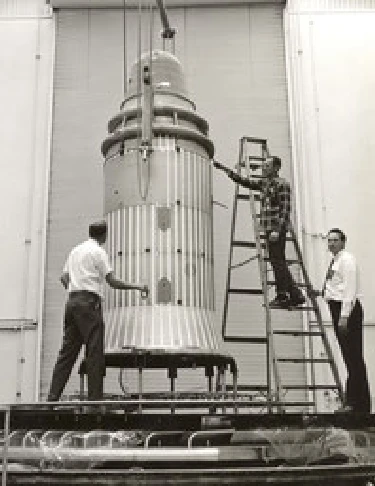

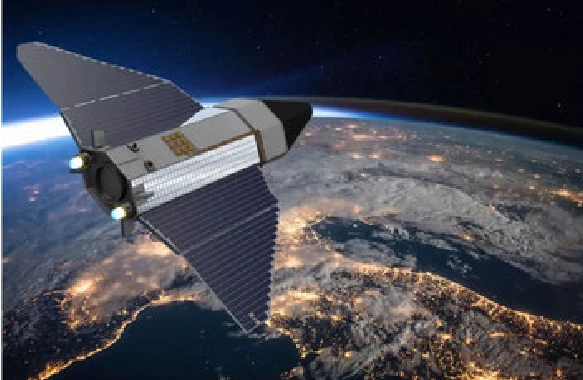
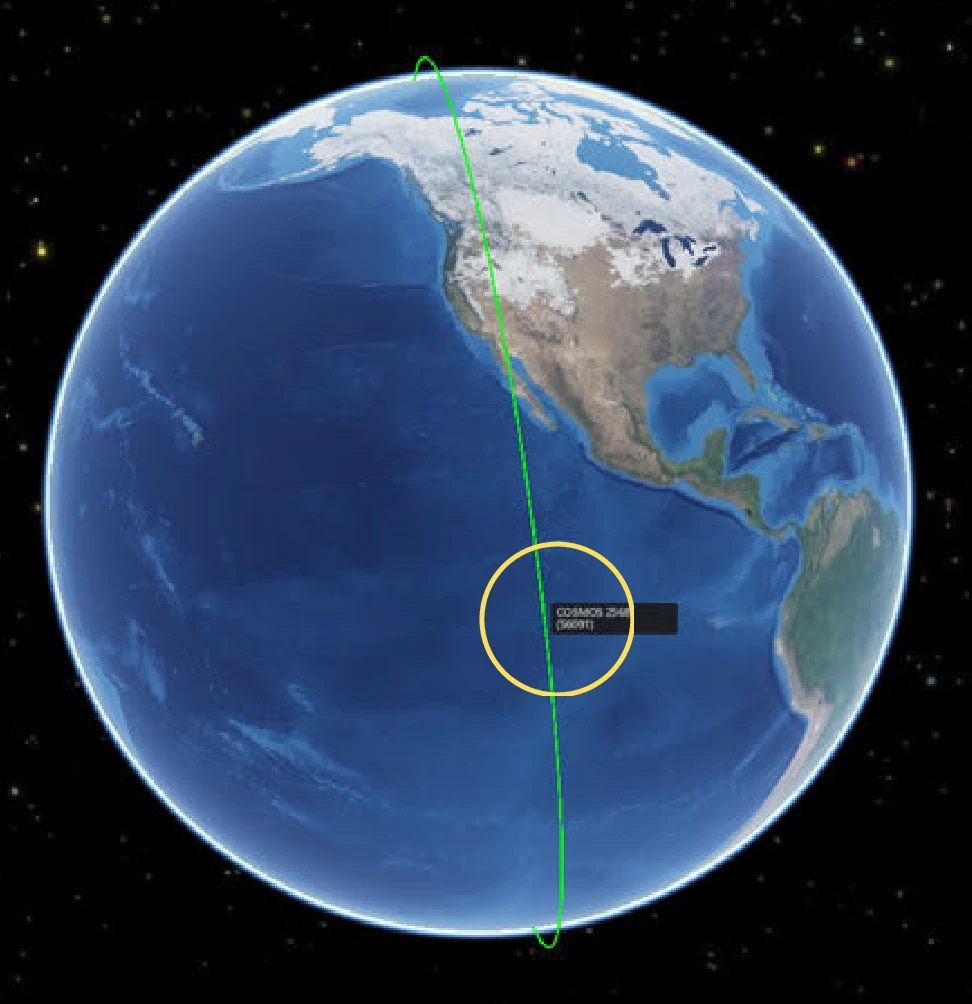
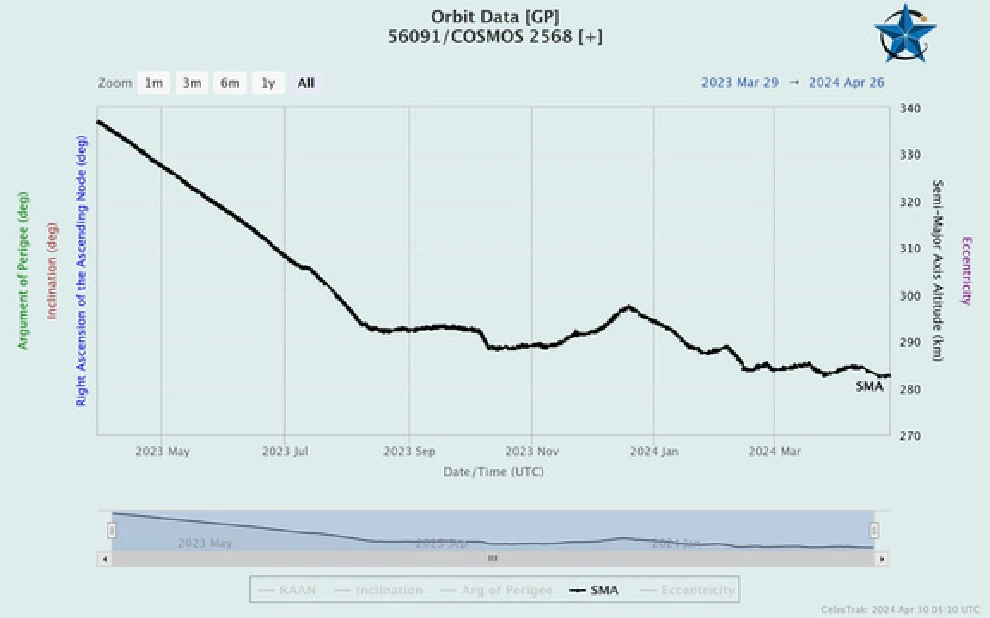
29 Apr 2024: Russia has been operating one of its suspected imagery satellites, Cosmos-2568, below an altitude of 300km since 27 July 2023. For the past 2+ months Cosmos-2568 has maintained a Semi Major Axis (SMA) between 284.3 and 282.8kms. Space operators often refer to any orbit between 150-300km as Very Low Earth…
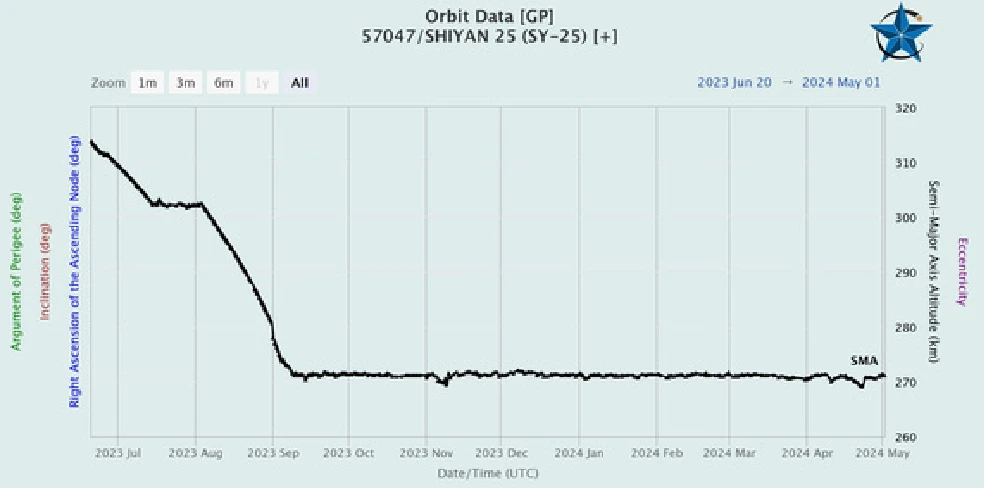
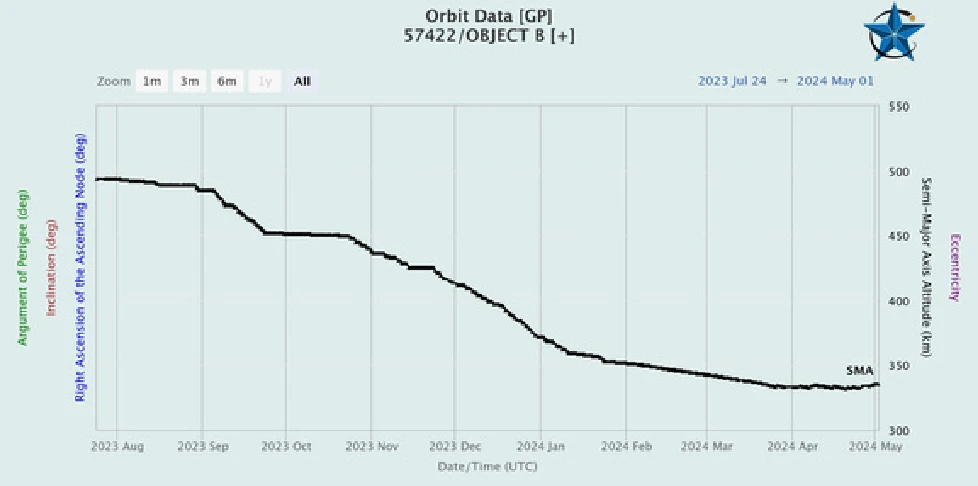
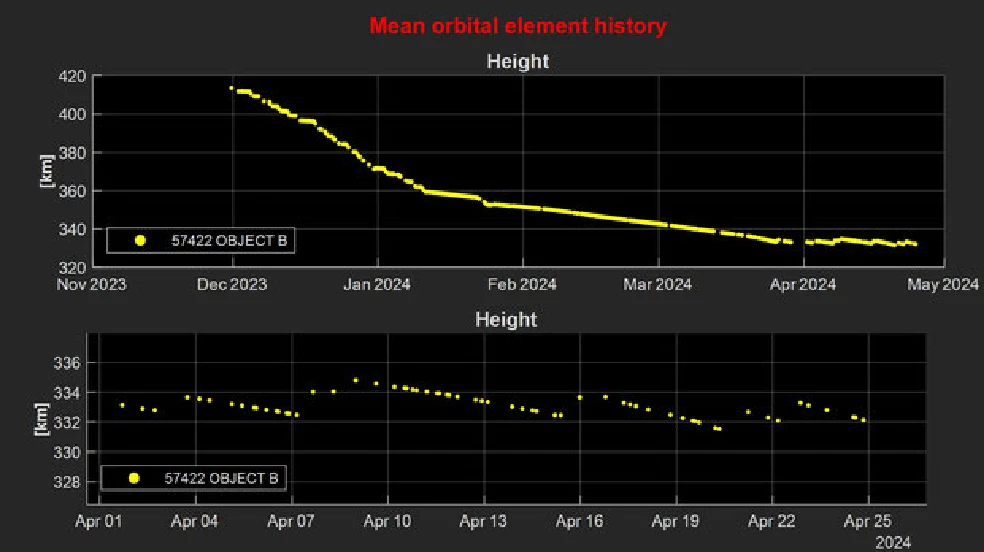
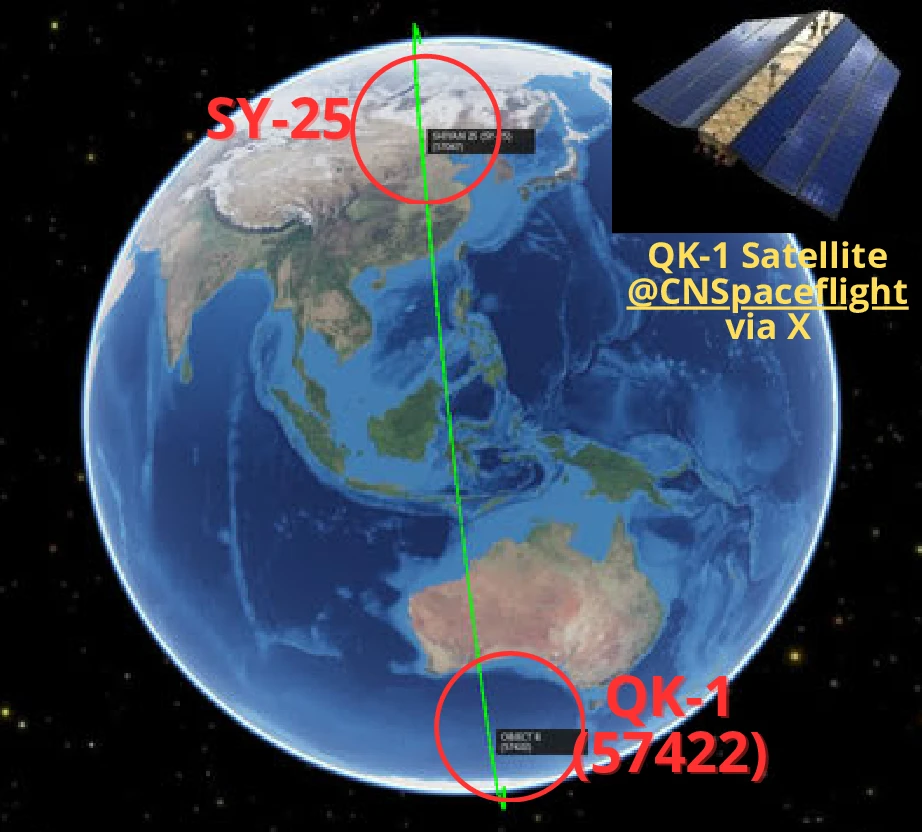
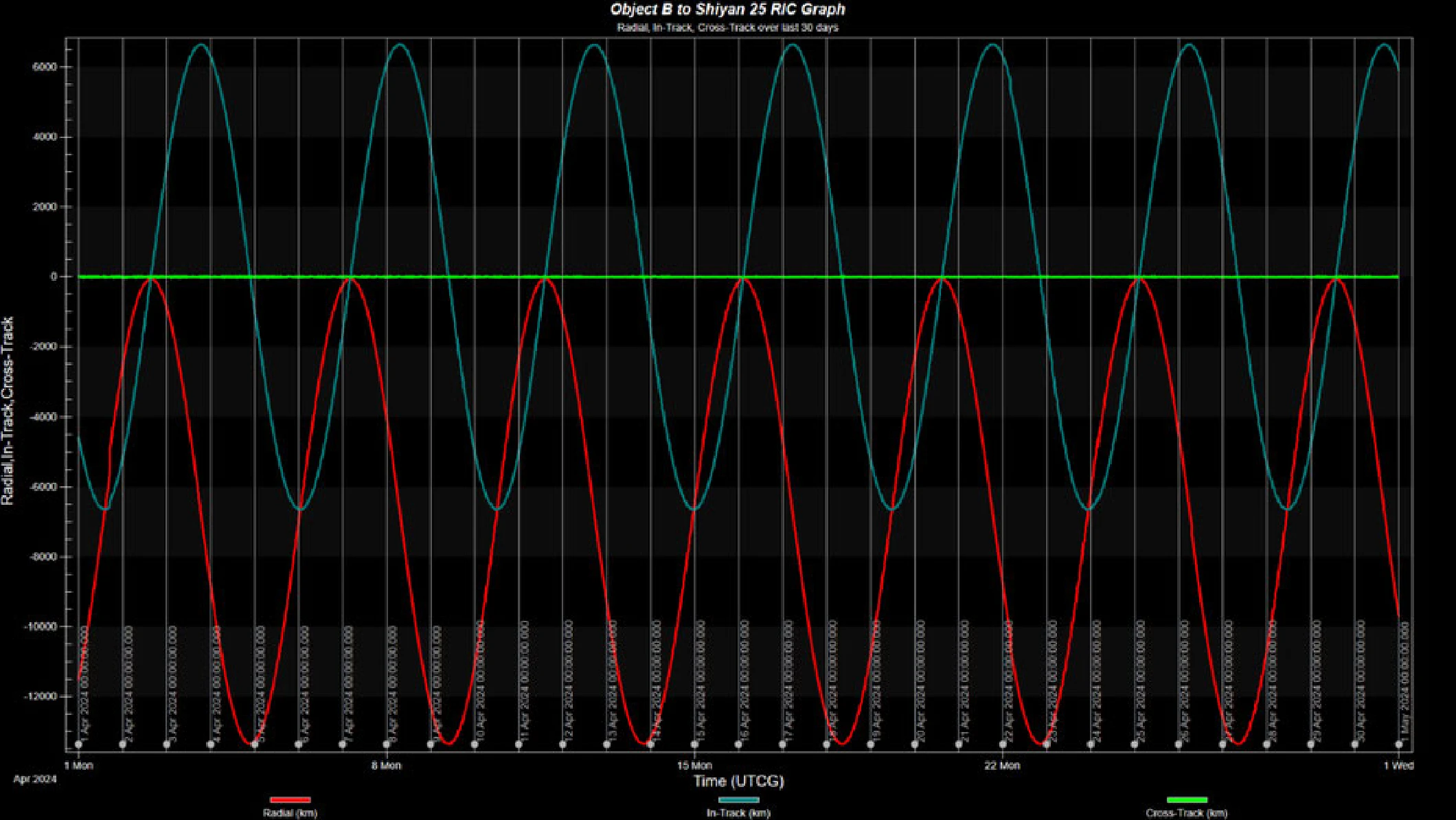
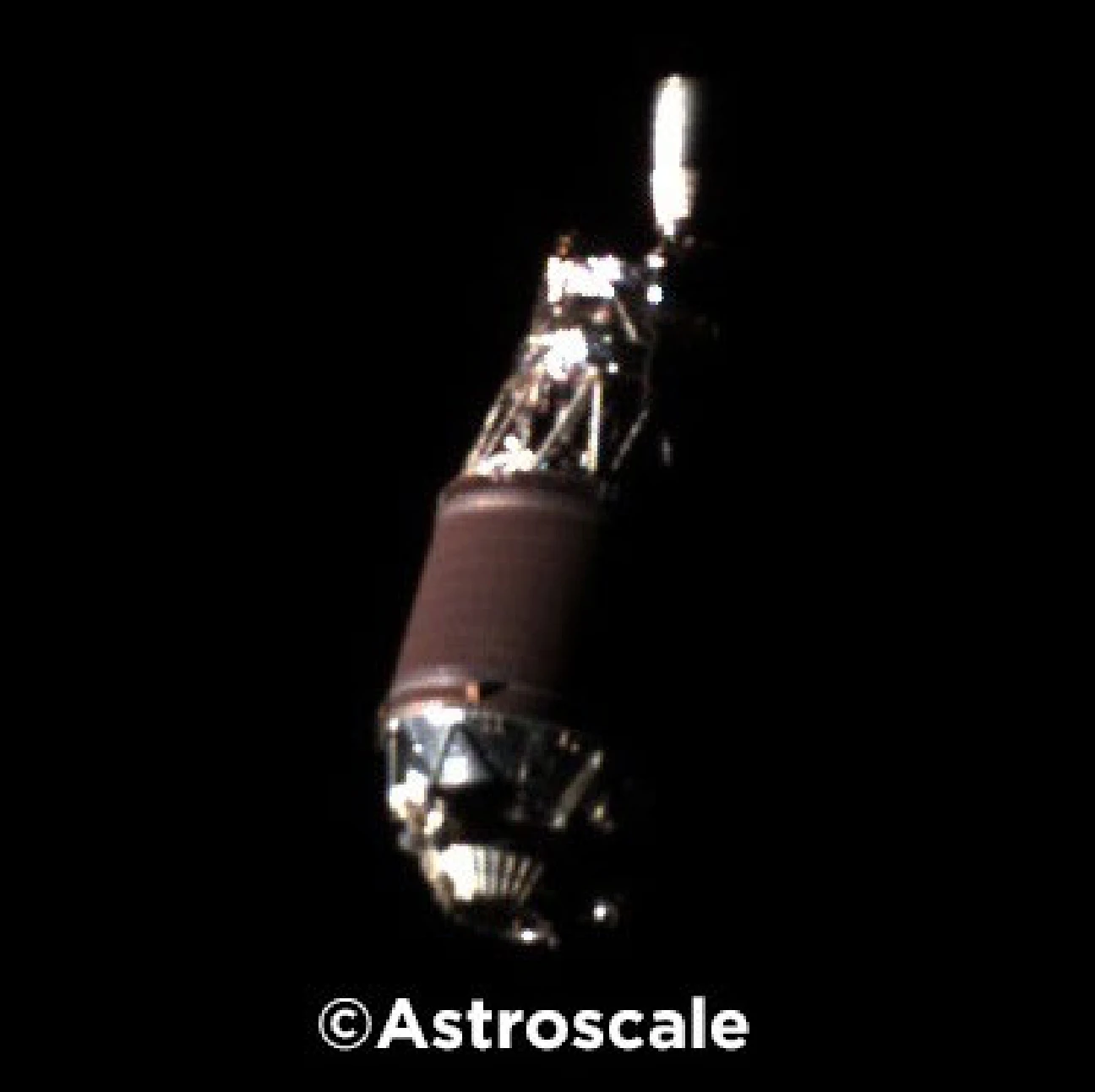
29 Apr: China appears to be conducting some coordinated testing in VLEO with its Shiyan-25 (SY-25) and QianKun-1 (QK-1) satellites. Both were launched within a month of one another and are operating in the same orbital plane with nearly identical RAAN and inclination. SY-25's orbit is ~65km lower than that of QK-1…
An overview of the workshops you offer and how they will benefit the visitor.

Flash Insider
Subscribe to unlock full access to this Issue and the complete Flash archive.
Subscribe Now Already Subscribed? Log In « BackInsider feature
Download any issue or article as a brief-ready PDF or clean HTML. Become a Flash Insider to unlock exports and the full archive.
See Insider plans Already an Insider? Log in