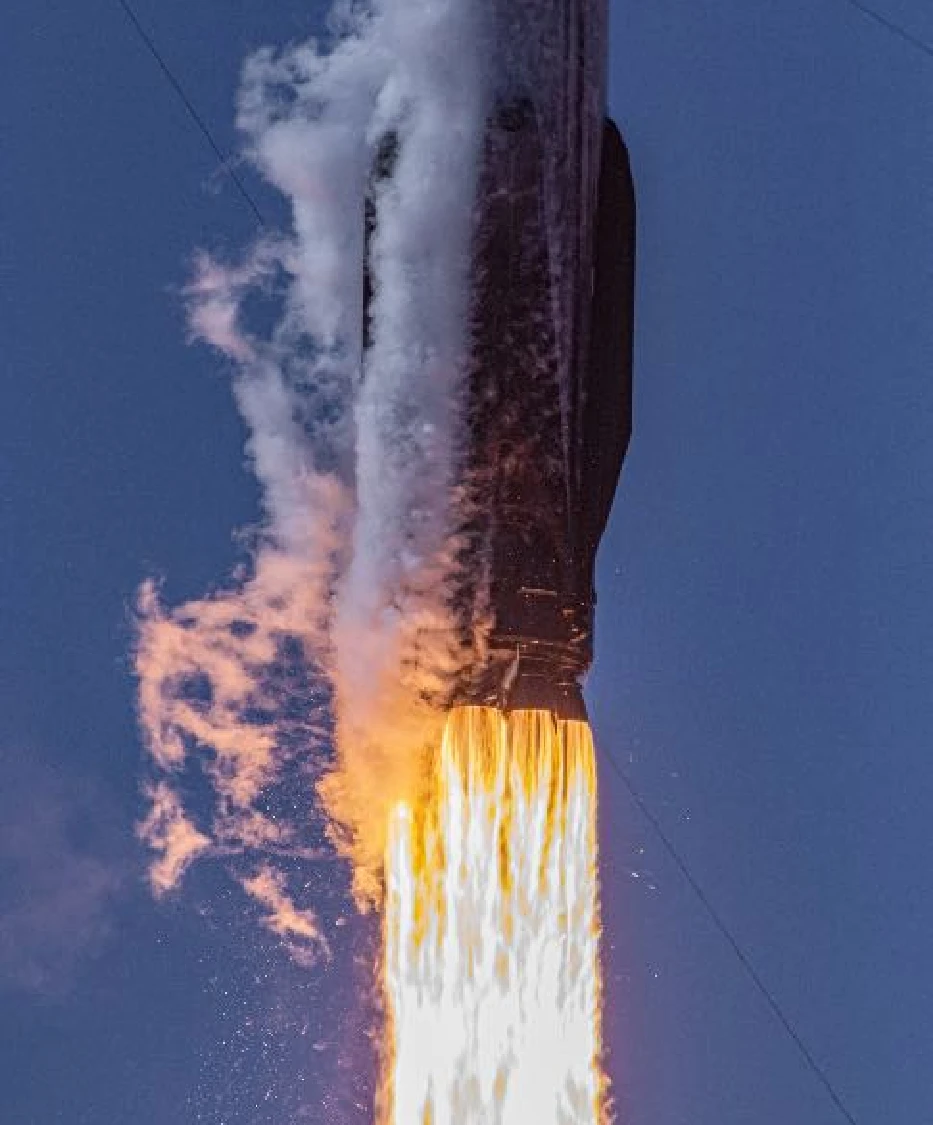
13 Jan 2022: In its third dedicated rideshare mission, SpaceX delivered 105 satellites to a 525-kilometer altitude Sun Synchronous Orbit (SSO). SpaceX’s rideshare program aims to enable frequent and economical access to popular orbits like the SSO, while also providing schedule flexibility to the customers. It costs as low as $1 million for a 200kg payload headed to an SSO. Video
– Planet, Inc., launched 44 SuperDoves Earth observation satellites as part of their SkySat Constellation.
– Kepler Communication launched six communication satellites as it aims to deliver networks all over the globe using small satellites in orbit.
– Capella launched Capella 7 & 8 satellites to grow its constellation of Very High Resolution, Low Latency, Synthetic Aperture Radar (SAR) satellites in orbit.
– Umbra Space launched its second commercial SAR satellite, Umbra-02. Alongside Umbra SAR-2001, launched on the previous transporter mission, the company plans to establish its own SAR constellation of 24 such satellites.
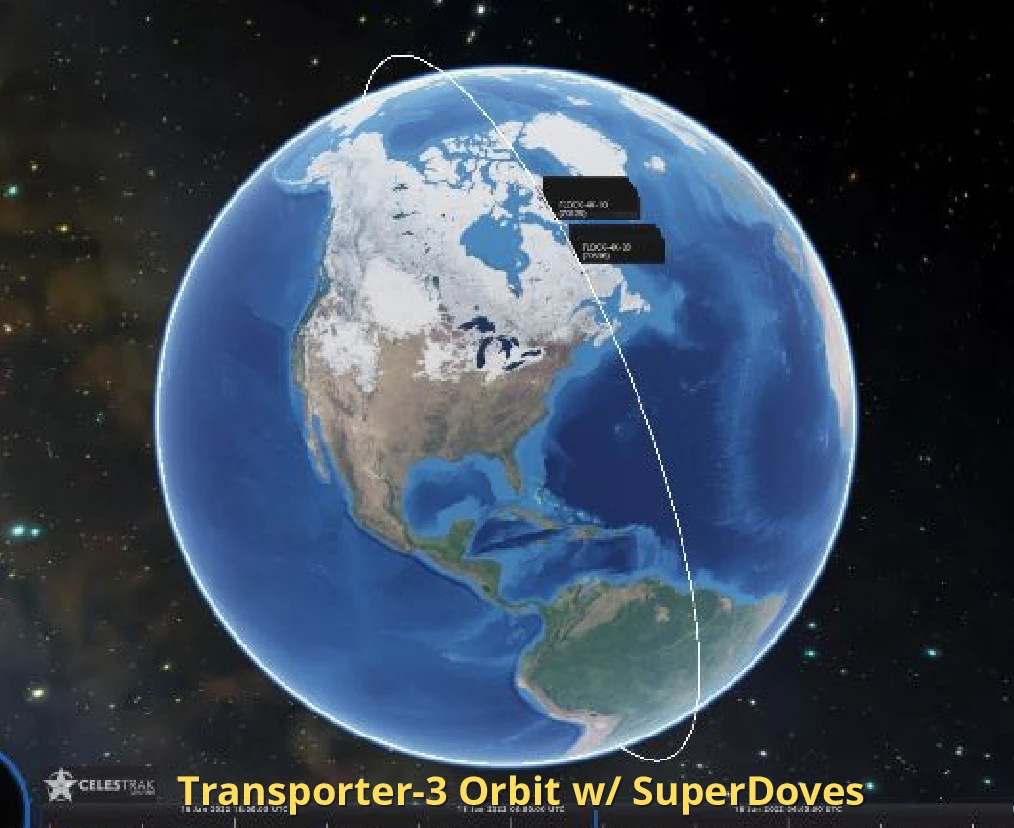
– Planet, Inc., established contact with all 44 SuperDove satellites, many within two minutes of the final deployment.
– The 44 satellites join Planet’s existing fleet of ~200 satellites in orbit. Planet has launched 127 satellites across eight launches with SpaceX, and over 500 satellites total since the company’s founding 10 years ago.
– The constellation of both medium- and high-resolution satellites has collected 1,700 images on average for every spot on the Earth’s landmass over the past 10 years.
– SuperDoves Flock 4 satellites feature technology that enables the constellation to capture around 1.2 million pictures per day. Maximum resolution is reportedly 50cm.
– See 5 min interview with Planet CEO including incredible satellite deployment footage.
Transporter-3 was the first of three dedicated ride share missions scheduled for 2022. Launches of large numbers of satellites on one vehicle presents tracking and identification challenges for commercial and government space tracking organizations. As of 15 Jan, 8 of the 105 objects had been added to the public catalog and were listed as “unknown” for owner/operator.