
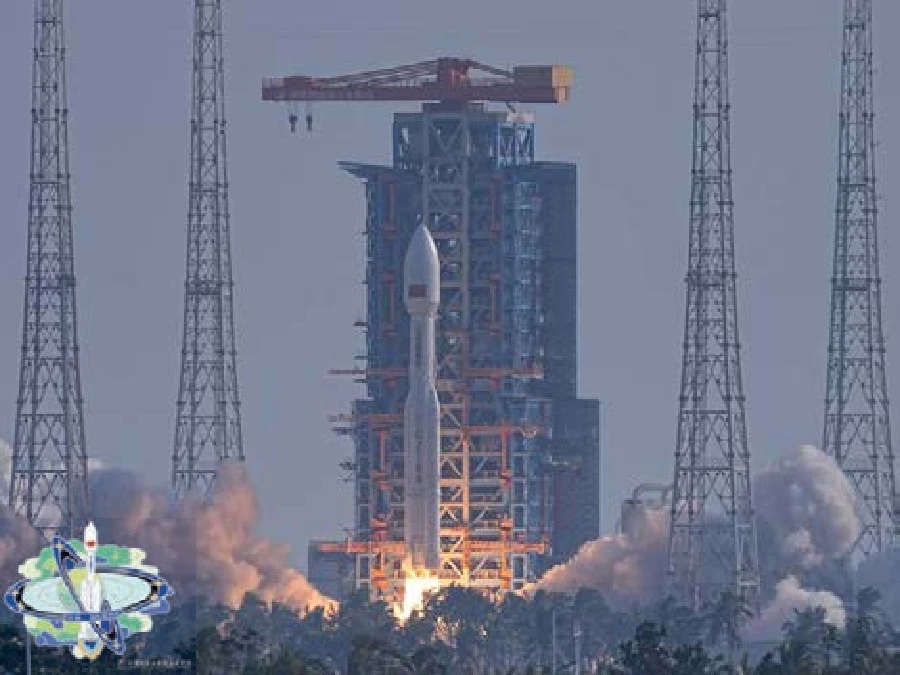
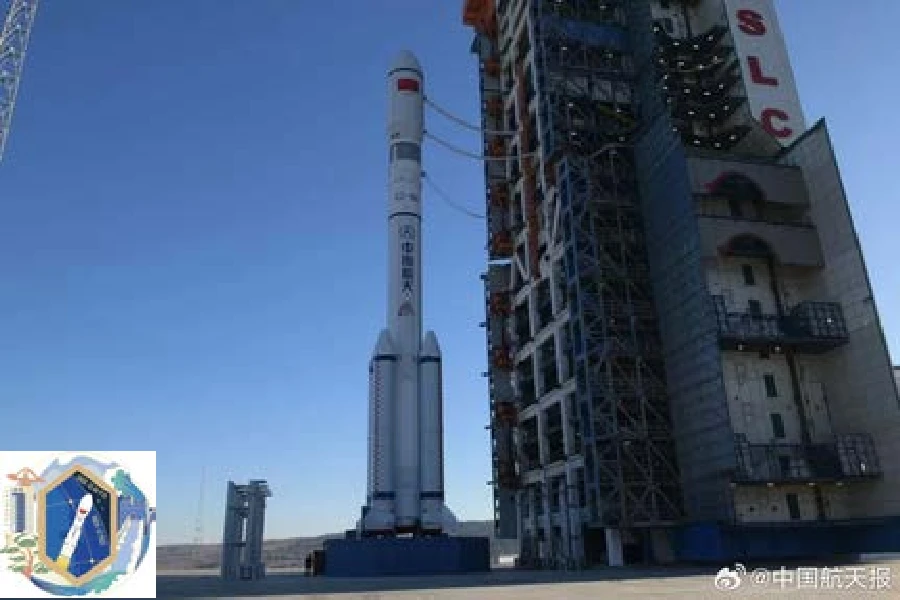
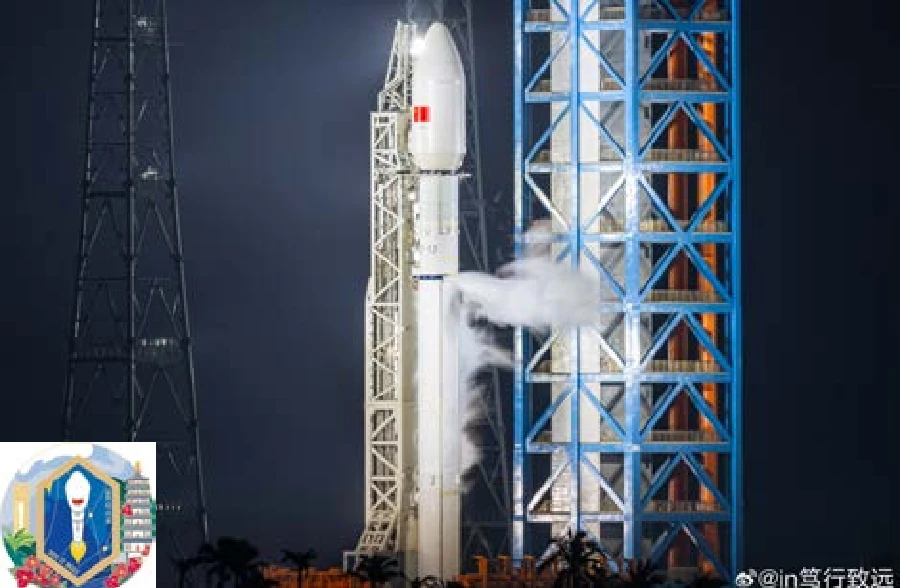
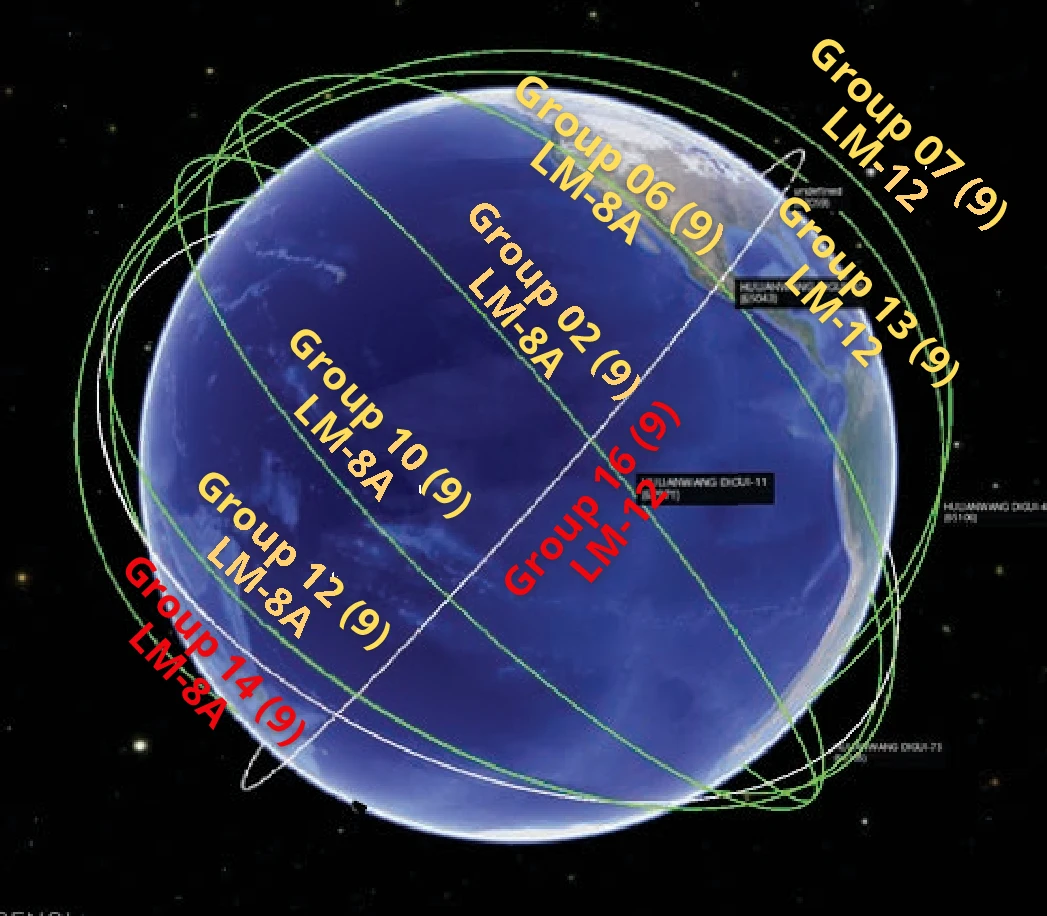
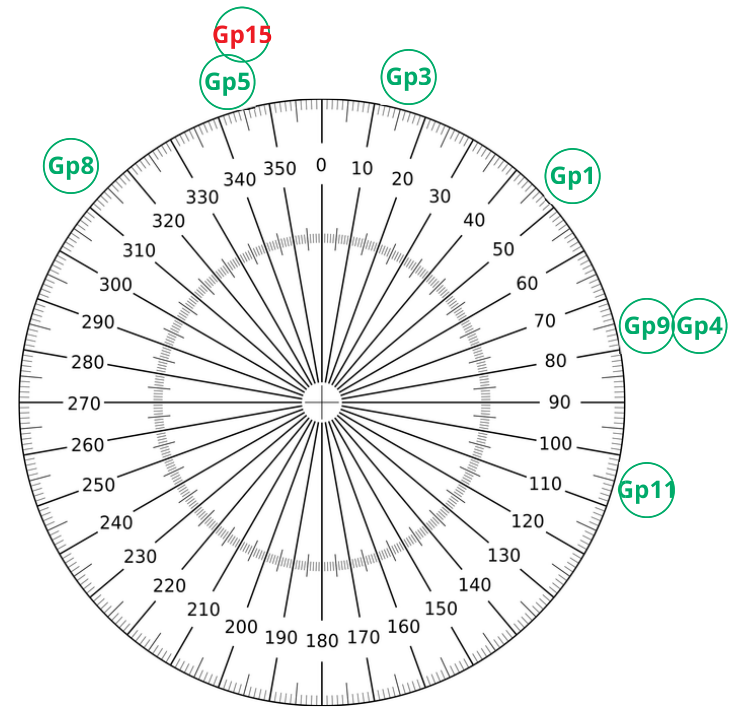
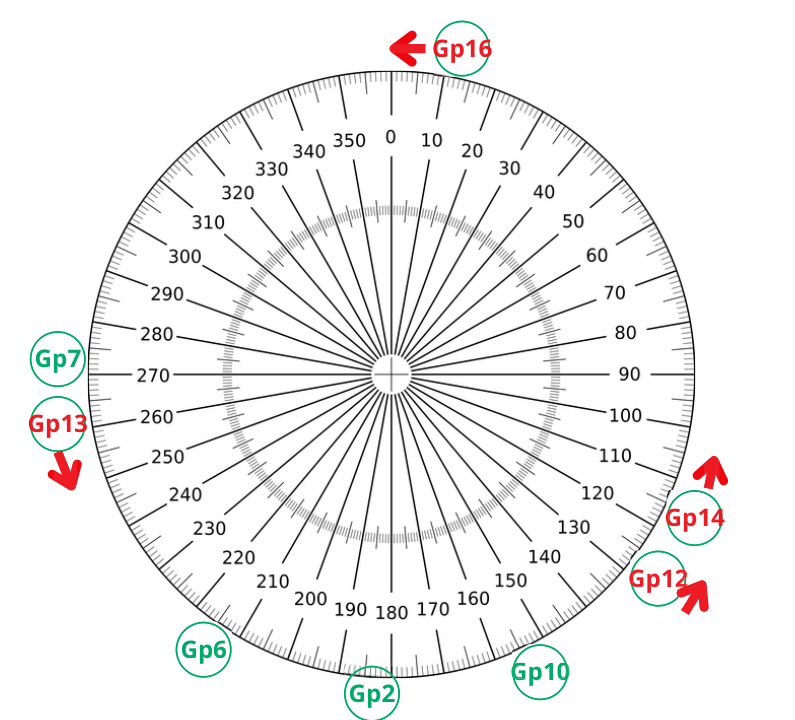
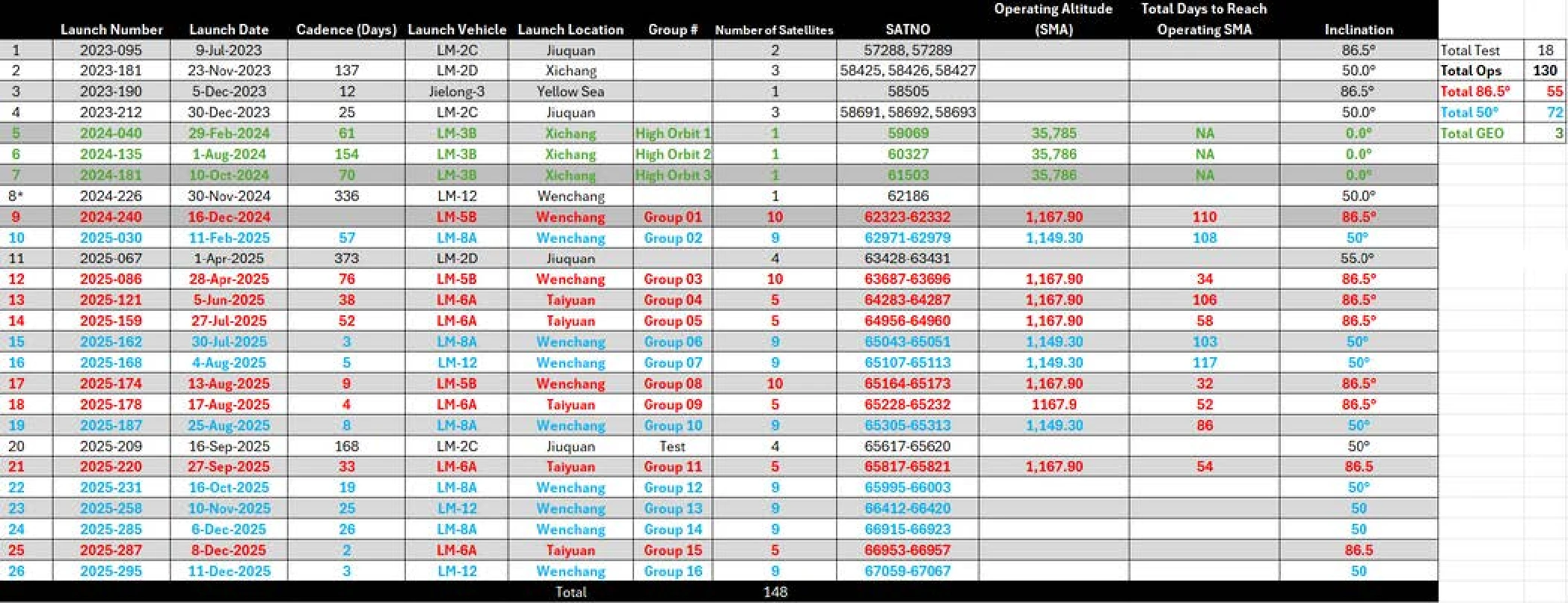
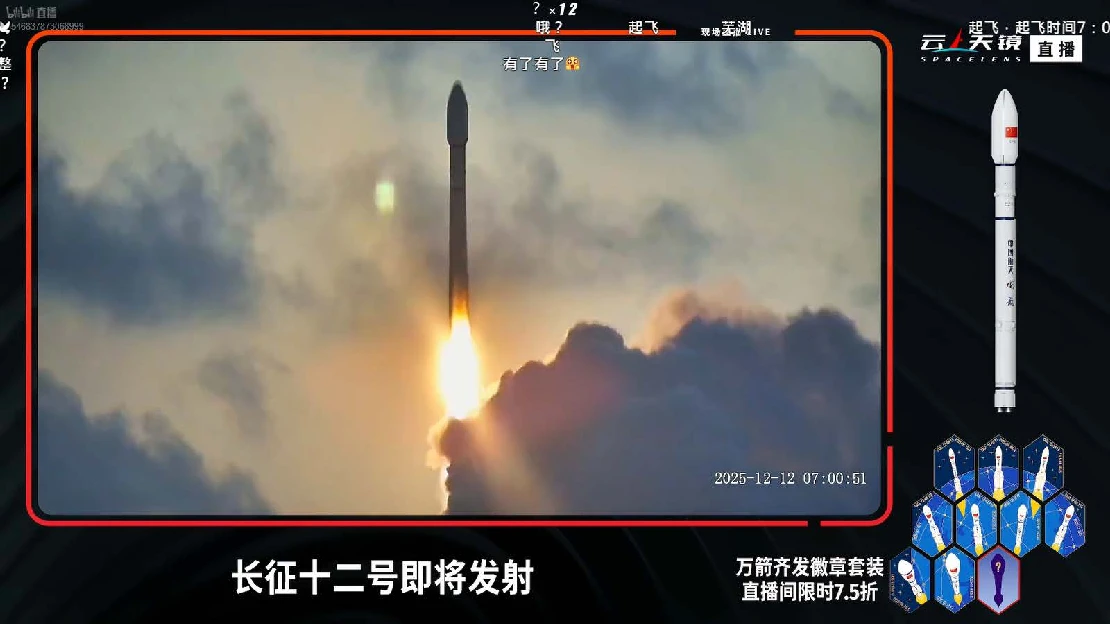
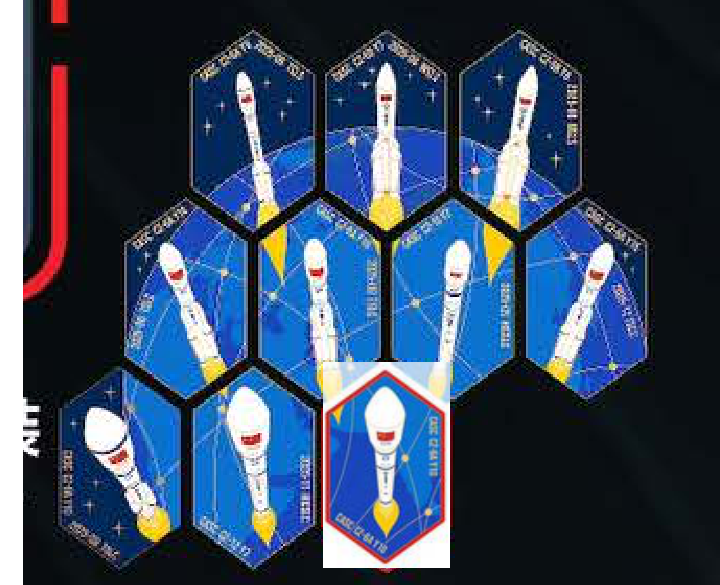

China conducted three separate launches placing 23 Guowang satellites into Low Earth Orbit (LEO). Two of the launches were to 50° inclined orbits while the third was to 86.5°. China now has 130 operational satellites in orbit...3 GEO, 55 LEO 86.5°, and 72 LEO 50°. 6 Dec 2025: China launched a Long March-8A with 9…
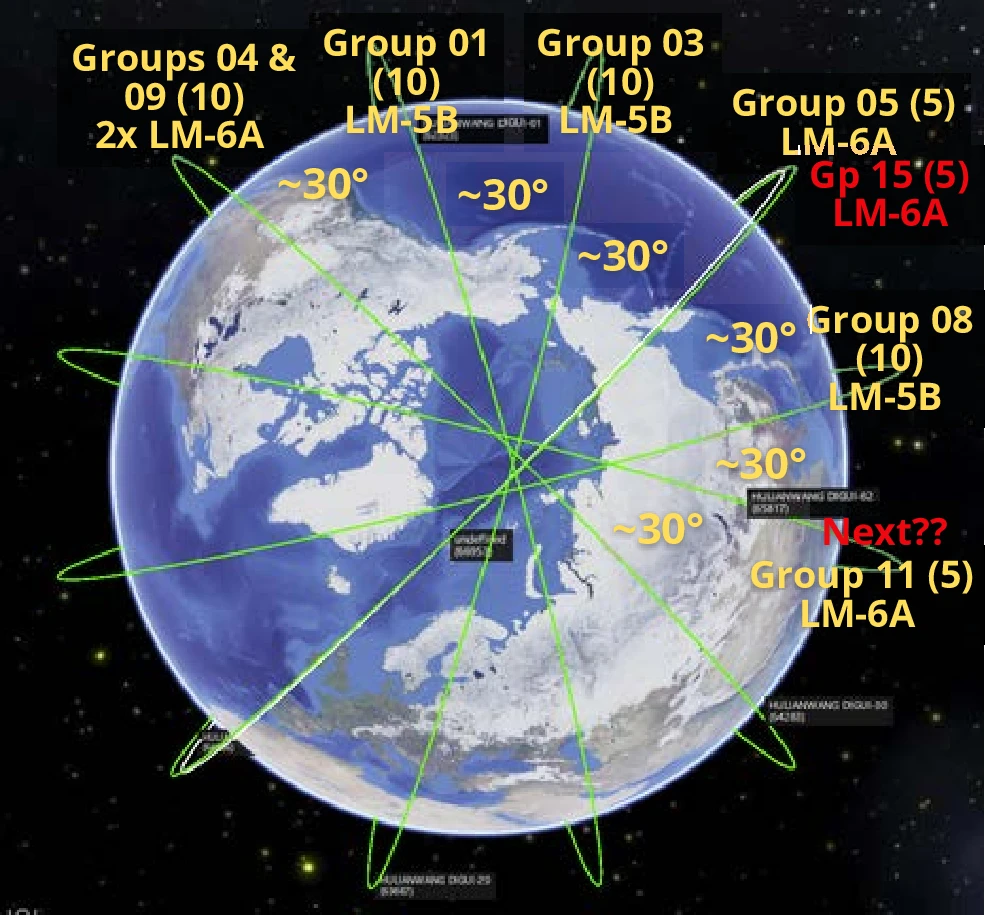
– With Group 14, 15 & 16 launches there are now 127 satellites in the operational LEO Guowang constellation (see graphics & tables). Additionally, there are 3 Guowang satellites in GEO and China has launched 18 Guowang test satellites.
– China is building out the Guowang constellation with orbits inclined either 50.0° or 86.5°. Currently there are 72 satellites in 8 50.0° orbital planes and 55 satellites in 6 86.5° orbital planes. See Table.
– Summary of Guowang Operational Launches
– Observations
– Deployment Status (all data as of 20 Dec 2025)
9 Dec 2025: China launched a Long March-3B with the TJS-22 (66990) satellite from Xichang. According to official sources, the satellite entered the planned orbit successfully and “will primarily support services including satellite communication, data transmission, and radio and television broadcasting, as well as…
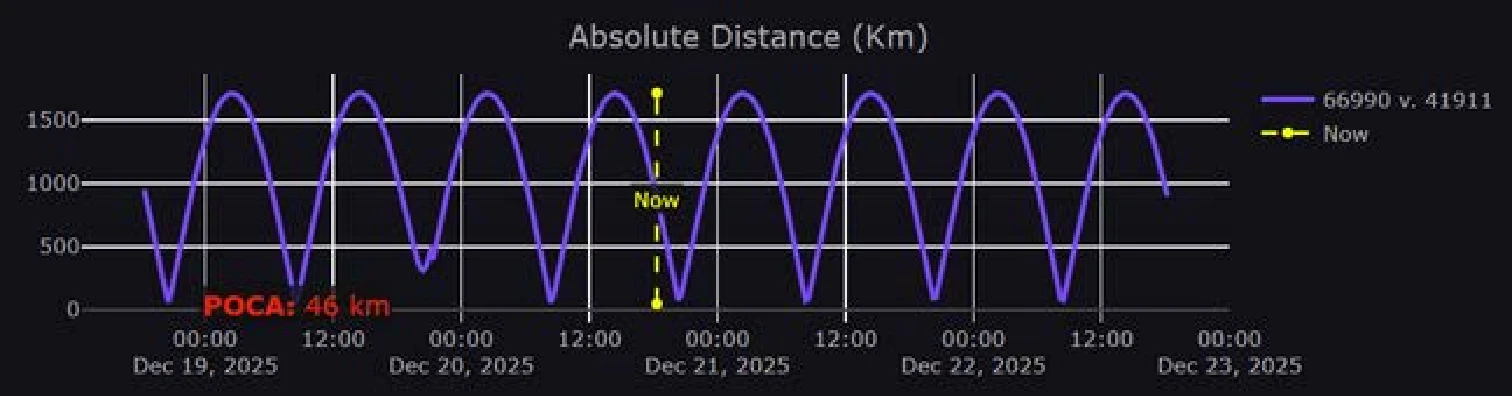
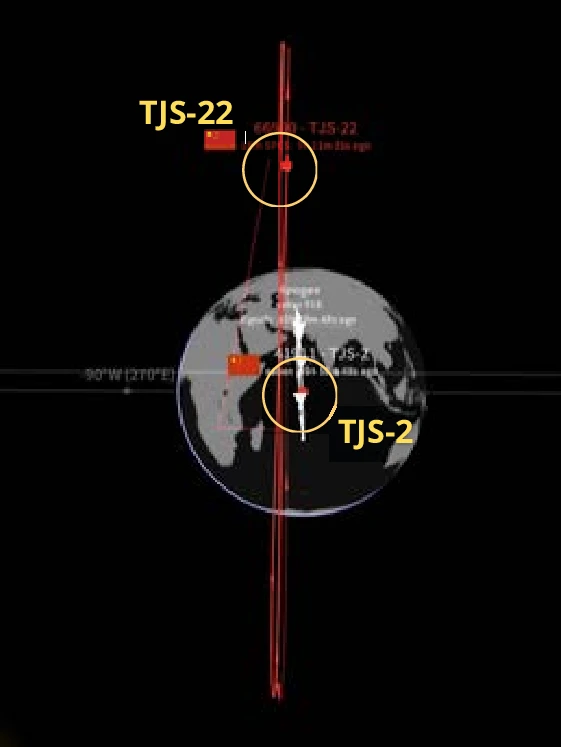
9 Dec 2025: China launched a Long March-3B with the TJS-22 (66990) satellite from Xichang. According to official sources, the satellite entered the planned orbit successfully and “will primarily support services including satellite communication, data transmission, and radio and television broadcasting, as well as conducting relevant technical tests and validations”. On 20 Dec satellite observers noted the satellite had reached geosynchronous orbit and was over 66.5° E with an inclination of 2.0°. At this location it TJS-22 is “near” TJS-2 (41911) which is also at 66.5°E, inclination (0.4°). China launched TJS-2 in 2017 and open source information notes the satellite performs missile warning function. Co-location with TJS-2 may indicate TJS-22 is a replacement for TJS-2…we’ll be watching to see if China re-locates TJS-2 in the coming months. Launch Video.
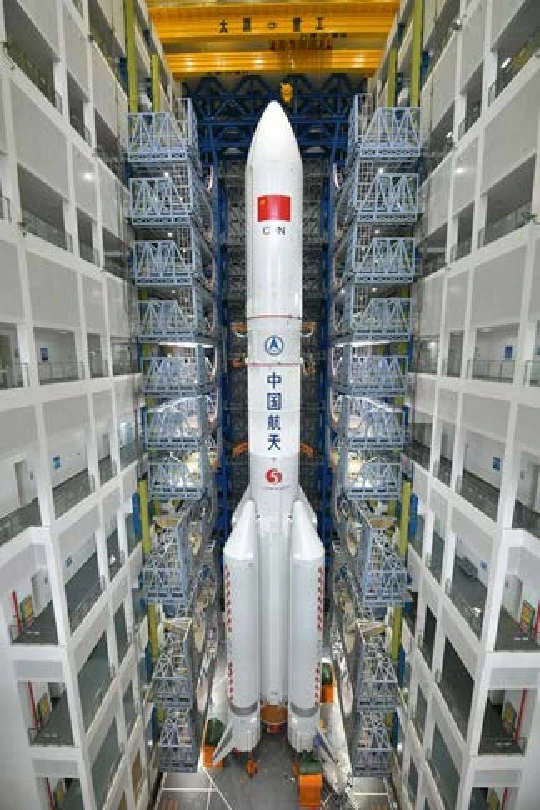
20 Dec 2025: China launched a Long March-5 with the TJS-23 (SATNO TBD) satellite from Wenchang. According to official sources, the satellite entered the planned orbit and will be “mainly used to carry out multi-band and high-speed communication technology validation tests”. Similar to the YG-41 (58582), TJS-11 (59020) and TJS-20 (66142), China used the LM-5’s the extended fairing (18.5m vs 12.3m) to carry TJS-23 to orbit. Launch Video.
TJS-22 & 23 were the 8th & 9th TJS satellite launches in 2025…previous record was 3 set in both 2021 and 2024.


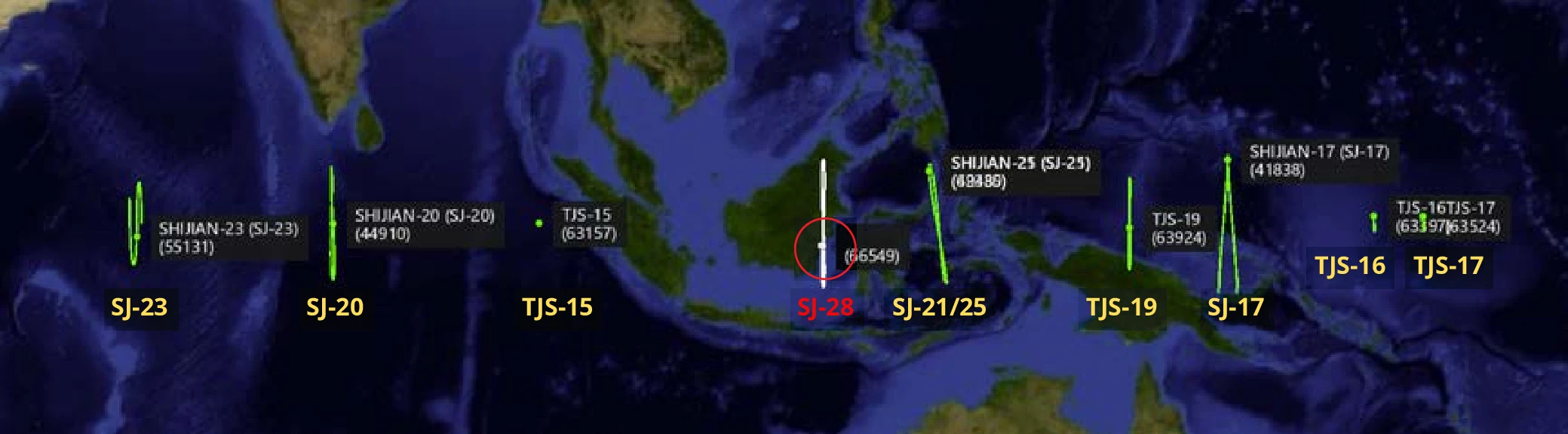
8 Dec 2025: After launching Shijian-28 (66549) on 30 Nov on a Long March-7A, China circularized the satellite’s orbit. SJ-28 is now in geosynchronous orbit settled over 116.9° E longitude (over eastern Borneo) and inclined 5°. China has released no information regarding the mission of SJ-28. See below for graphic…
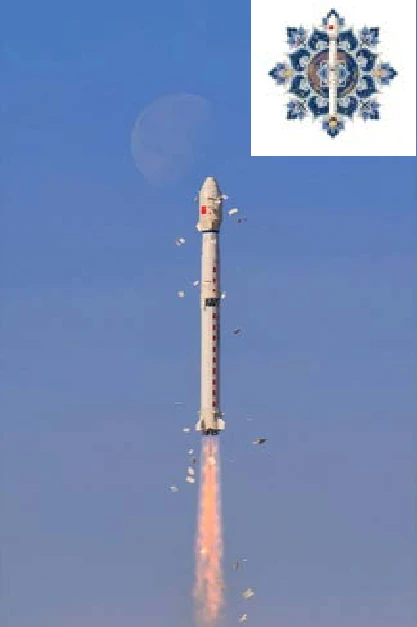
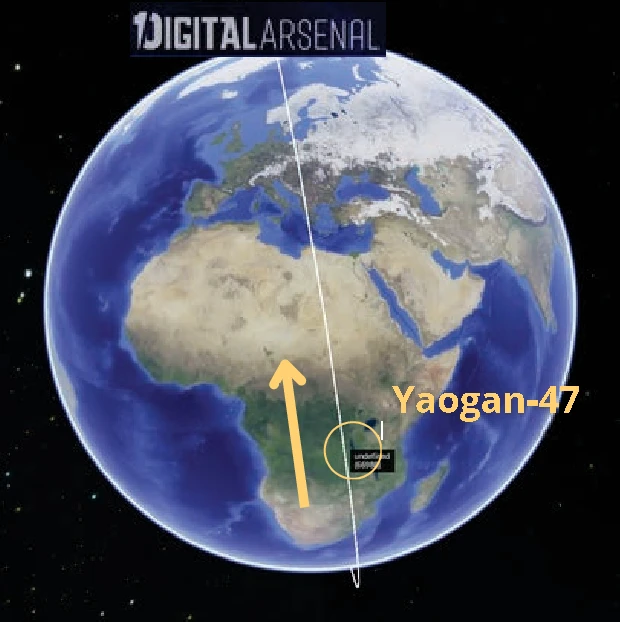
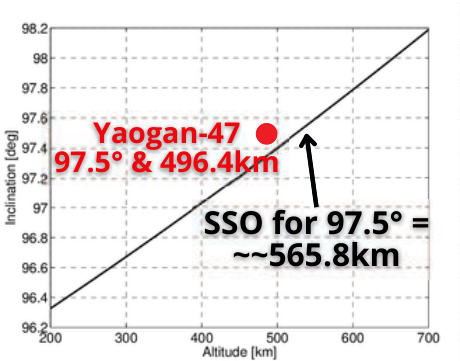
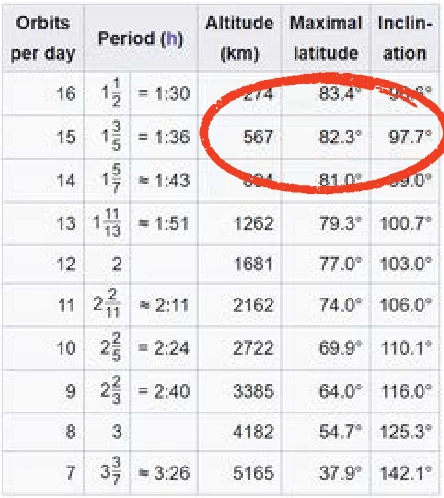
9 Dec 2025: China launched a Long March-4B with the Yaogan-47 (66988) imagery satellite from Jiuquan. According to official sources, the satellite has entered the preset orbit successfully and “will be primarily used in national land surveys, urban planning, road network design, crop yield estimation, environmental…
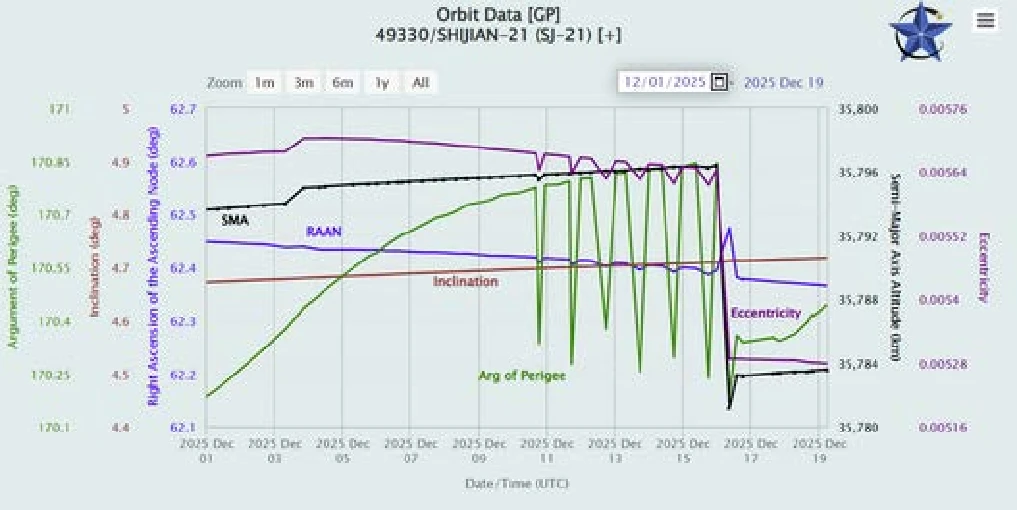
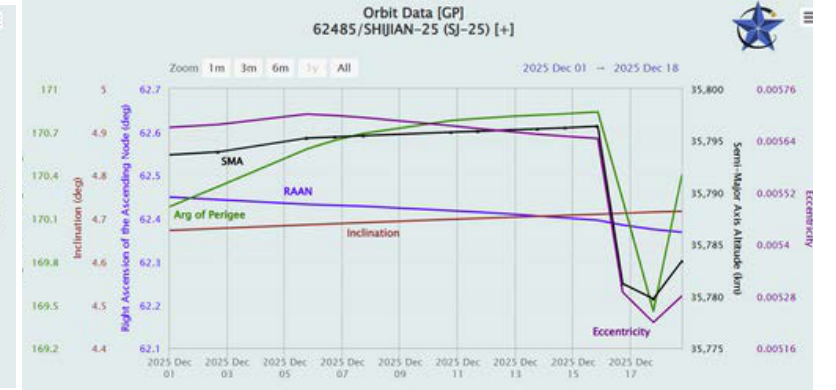
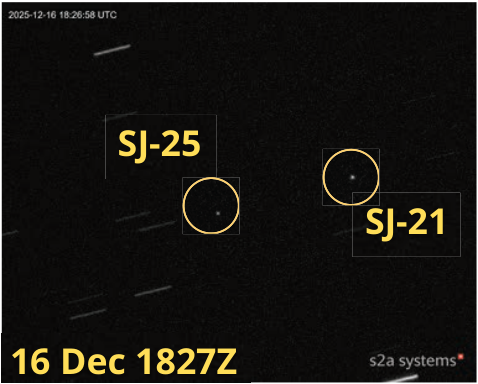
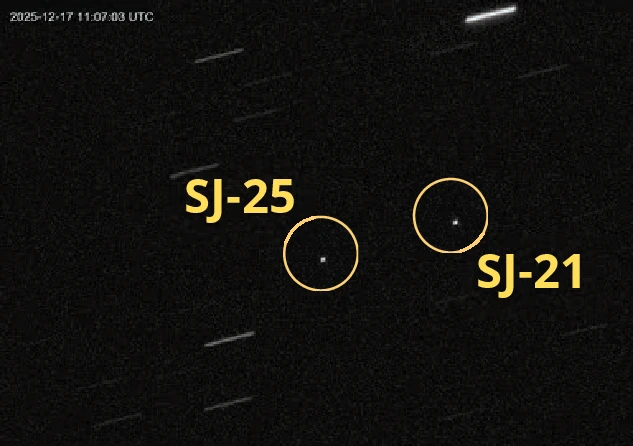
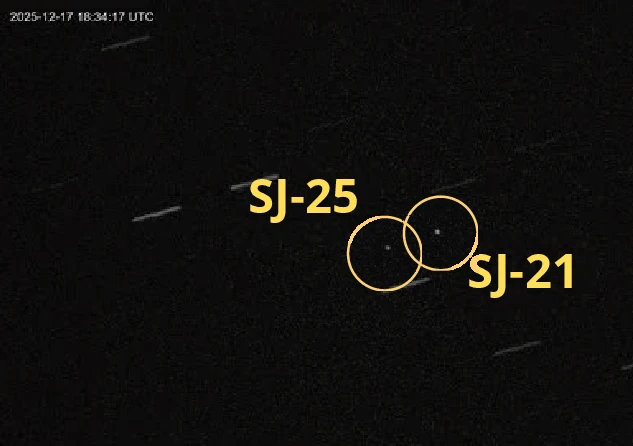
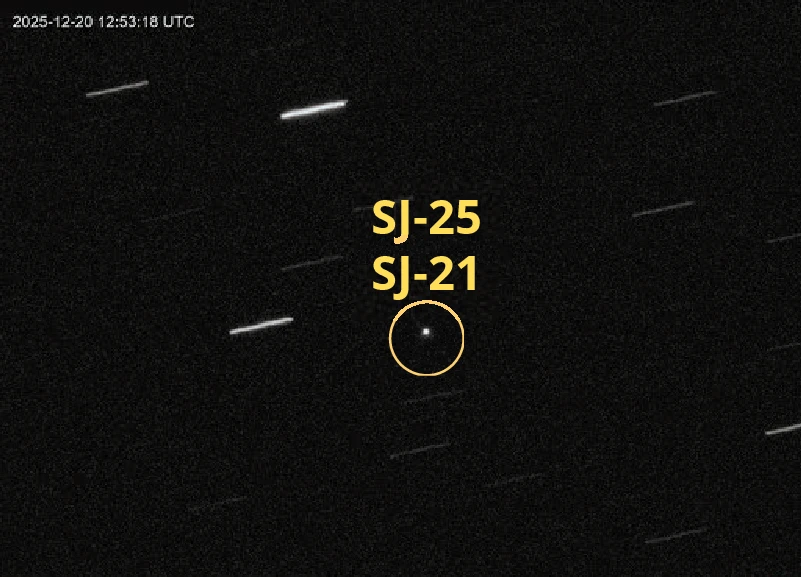
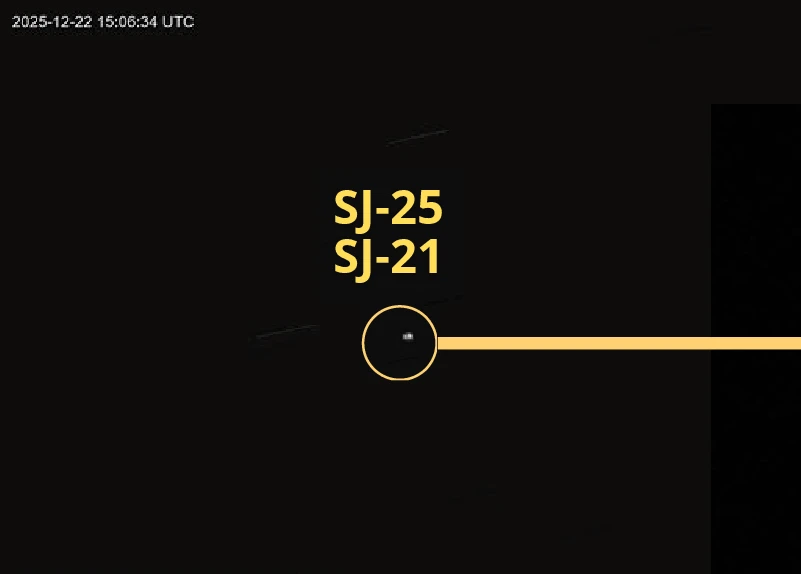
20 Dec 2025: SJ-21 (49330) and SJ-25 (62485) remain in RPO conditions and were recently within <2km of one another. On 15 Dec the two satellites were ~60-65km apart, then both SJ-25 and SJ-21 maneuvered, SJ-25 on 17 Dec and SJ-21 24hrs later. As a result of these maneuvers the satellites came within 1.3km on 18 Dec…
25 Nov 2025: Tahir Azad published an article in Small Wars Journal describing China’s “growing satellite networks, which include navigation, intelligence, surveillance and reconnaissance (ISR), communications, and missile early warning, are creating a ‘kill web’ in space that makes it easier for the PLA’s missile and…

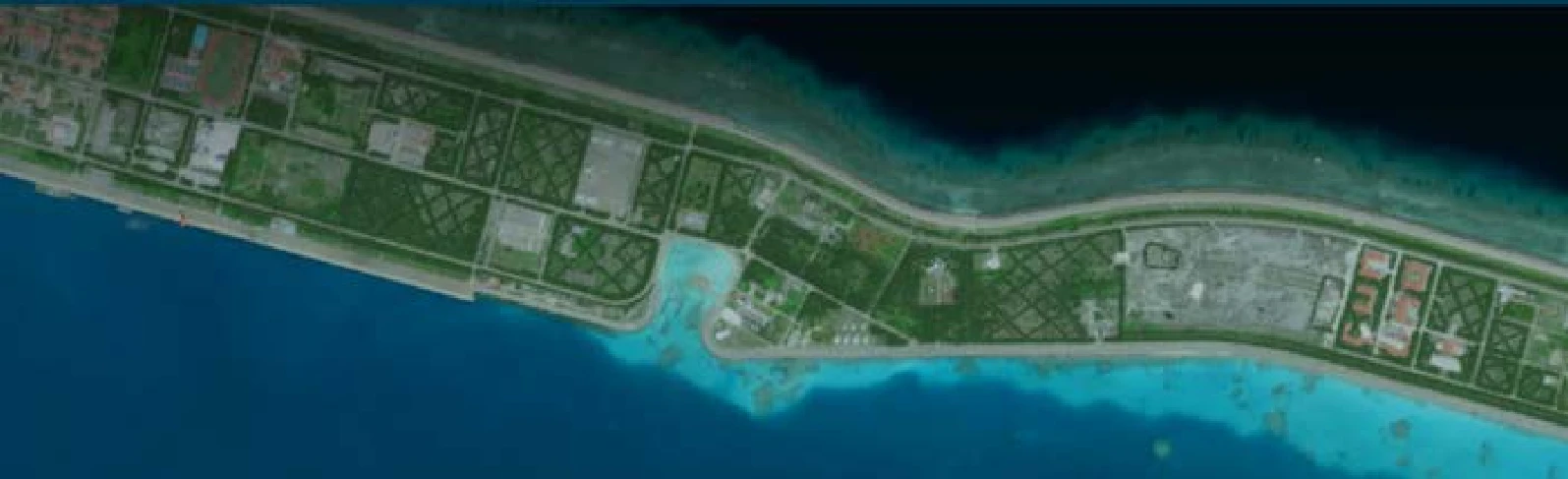
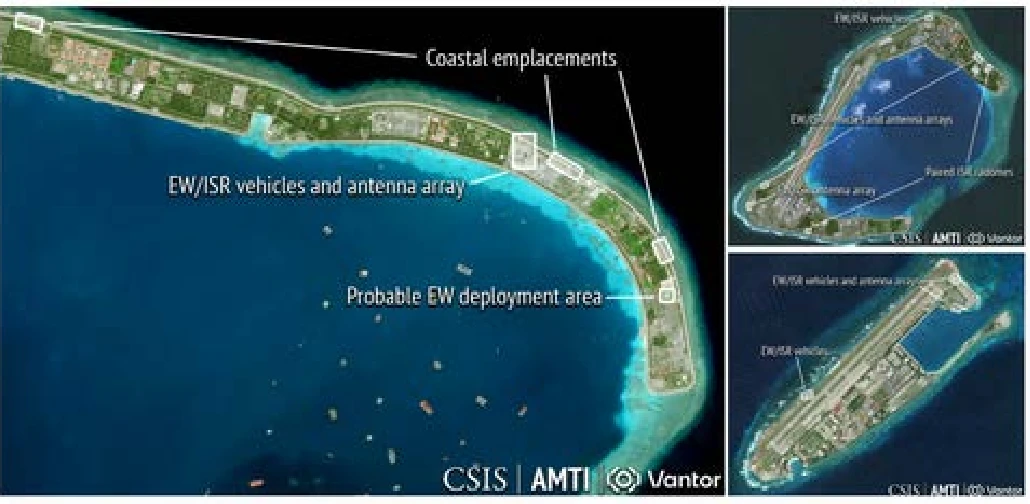
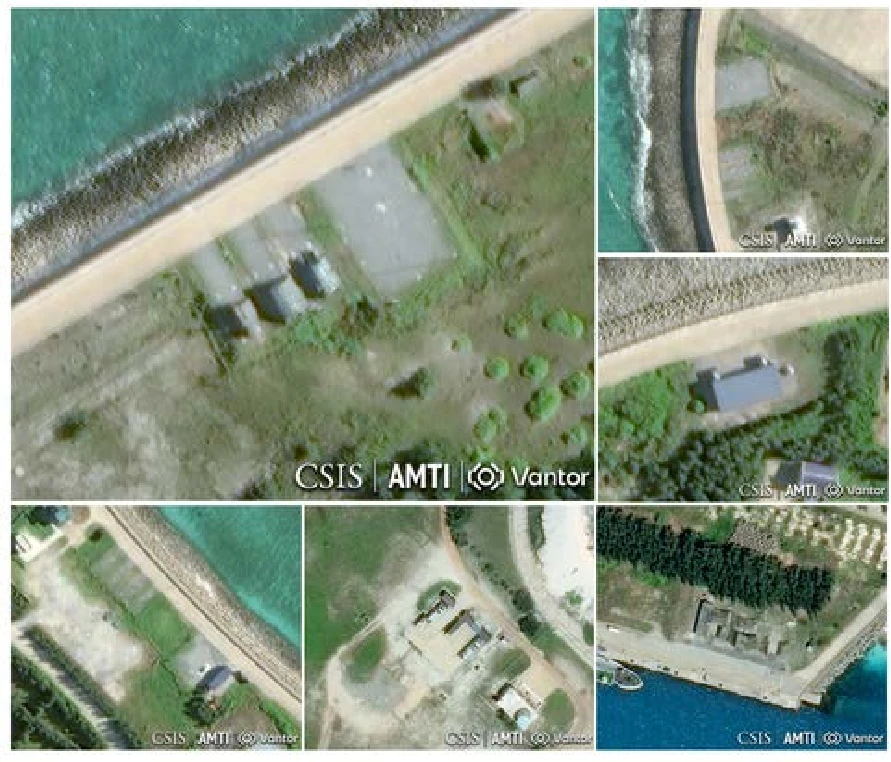
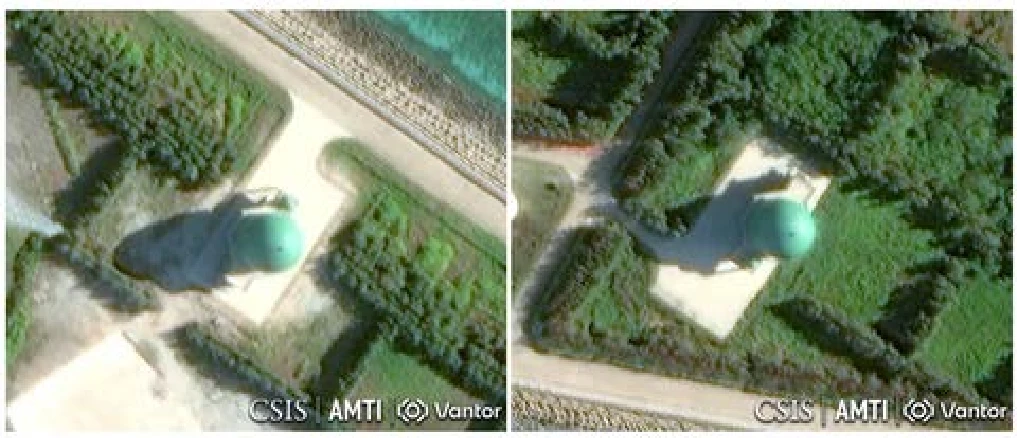
By Dr. Larissa Beavers Asia Times reporter Gabriel Honrada states that between 2024 and 2025, China upgraded its Spratly Island outposts into an integrated electronic warfare and sensing network, deploying AI-enabled, networked radars, shipborne sensors, and resilient data-fusion architectures. The Asia Maritime…

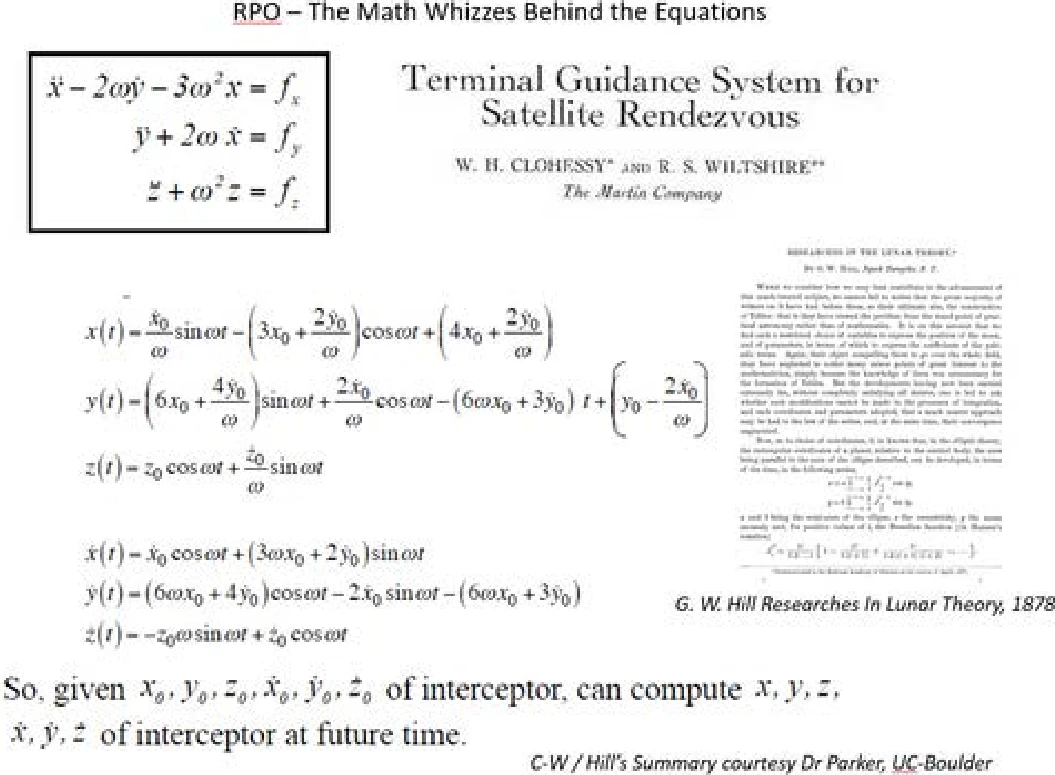
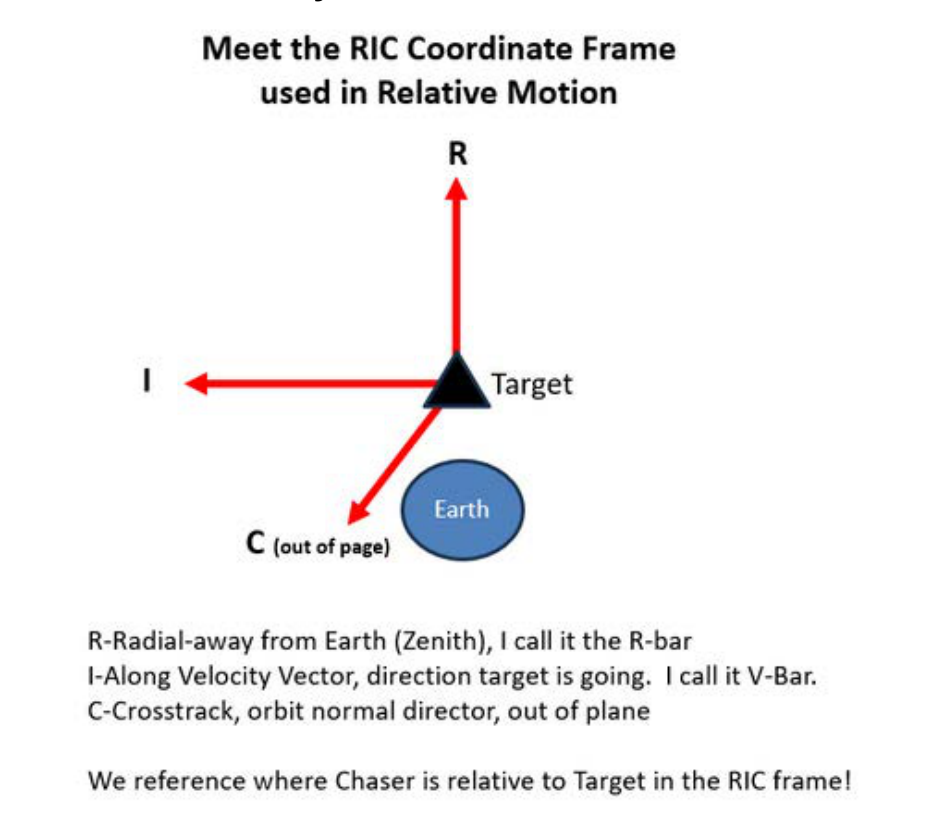
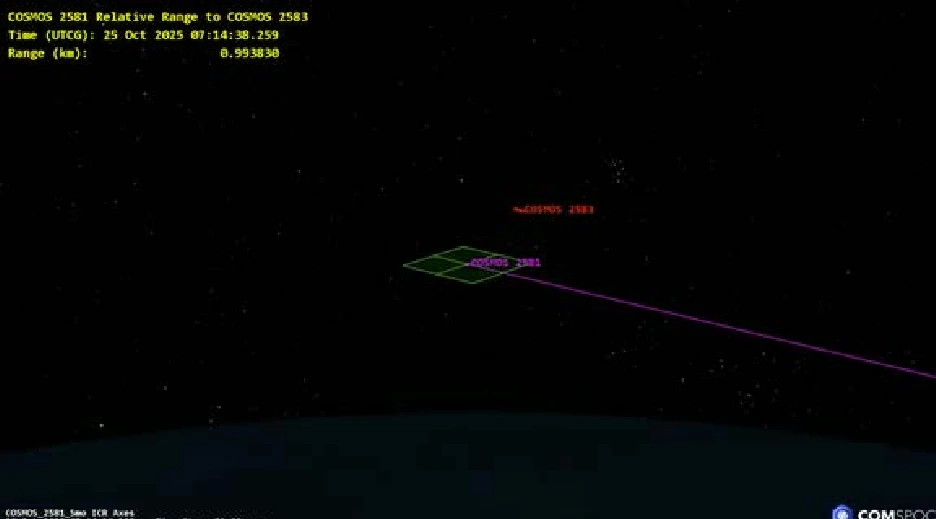
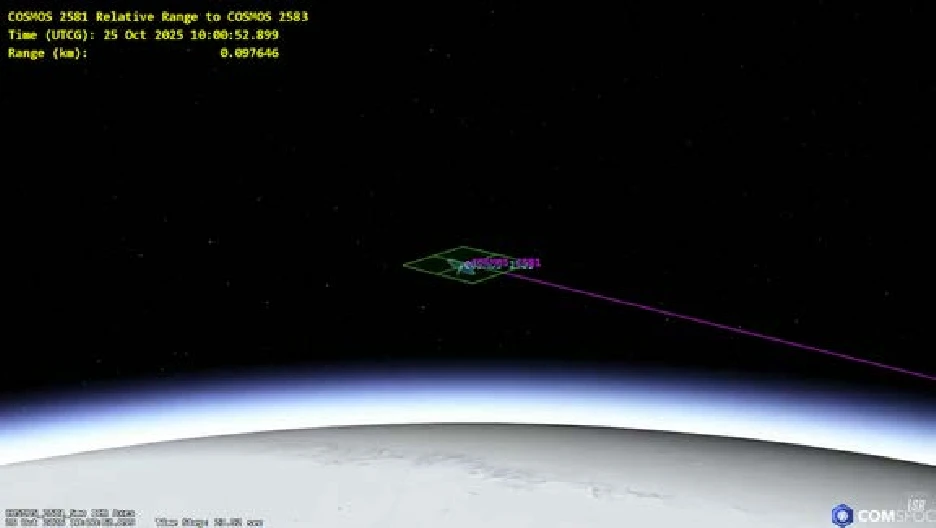
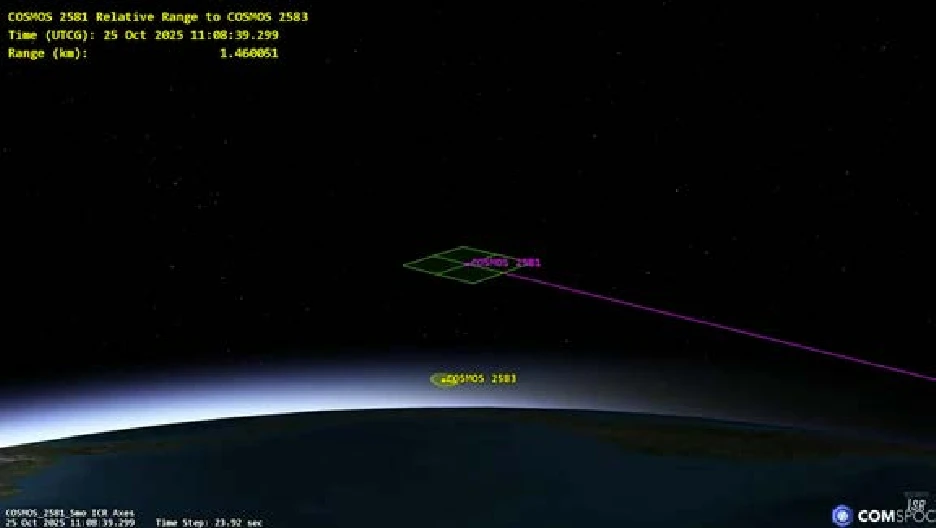
by Jack Anthony COMSPOC did a fabulous analyses and explanations and provided some very insightful videos for the 10 Nov 2025 FLASH . I was particularly intrigued with the Cosmos 2581/2582/2583 article and video. Whether you are new to astrodynamics and RPO OR are steeped in this important aspect of Space Domain…

Thank you for reading this issue of The Integrity Flash The Integrity Flash is the bi-weekly publication from Integrity ISR’s team of SME’s, delivering expert analysis and clear commentary on the trends, technologies, and challenges that impact the space domain. The Integrity Flash has over 3,000 subscribers and a…



Flash Insider
Subscribe to unlock full access to this Issue and the complete Flash archive.
Subscribe Now Already Subscribed? Log In « BackInsider feature
Download any issue or article as a brief-ready PDF or clean HTML. Become a Flash Insider to unlock exports and the full archive.
See Insider plans Already an Insider? Log in