
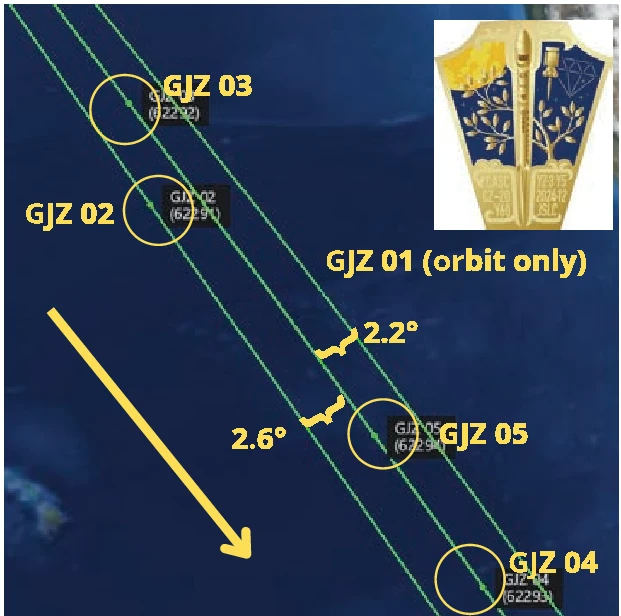



12 Dec: China launched a Long March-2D with 5 satellites for the High-speed Laser Diamond Constellation Test System (62290-62294) from Jiuquan. According to official sources, the five satellites entered the planned orbits. The launch included the Yuanzheng-3 restartable upper stage which China used to deploy the…
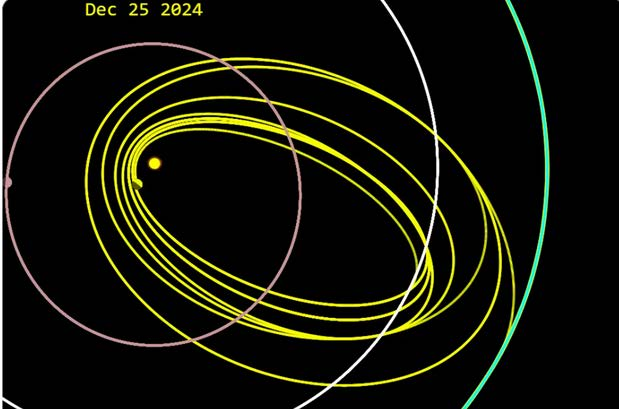
18 Dec: China placed its TJS-13 (62188), launched on 3 Dec 2024, into a Highly Elliptical Orbit (HEO) with an apogee of 38,675.8km, a perigee of 1,687.8km and an inclination of 63.4°. Hopefully this inclination catches your attention as it is the famed “ Molniya” orbit (more details on this orbit from Jack Anthony in…
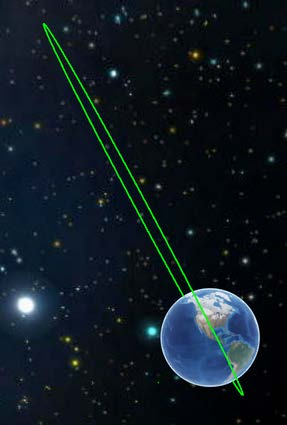
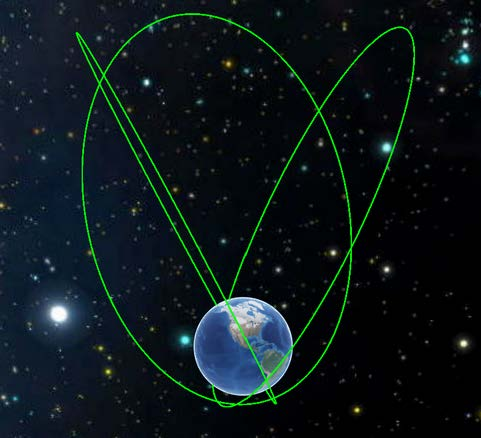
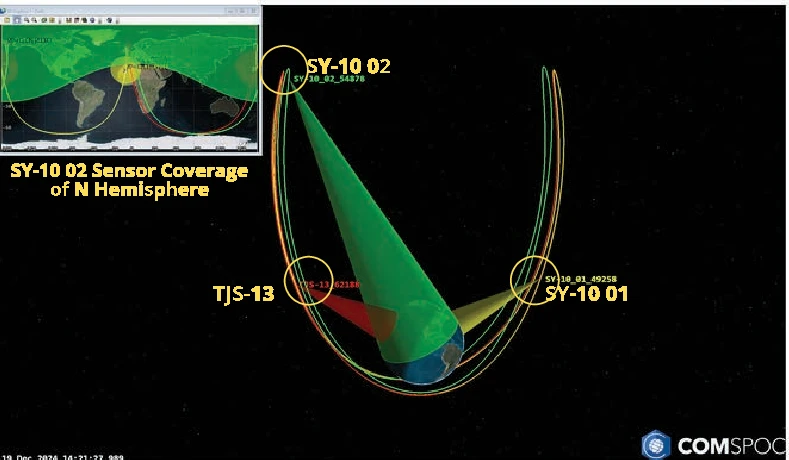
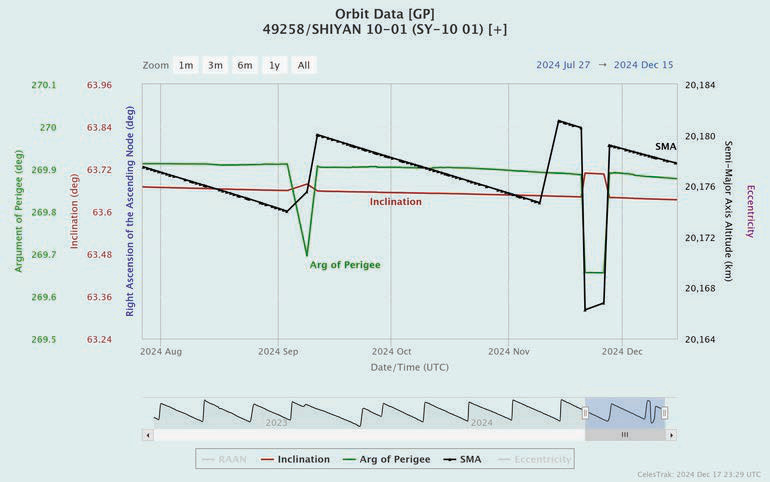
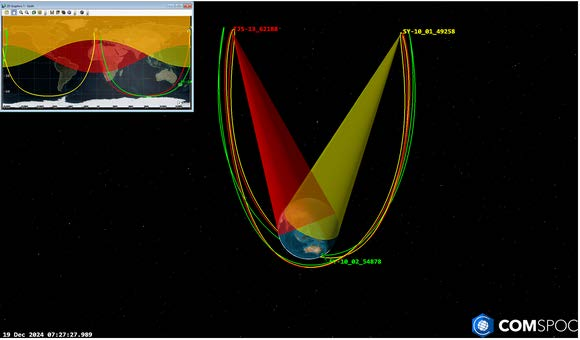
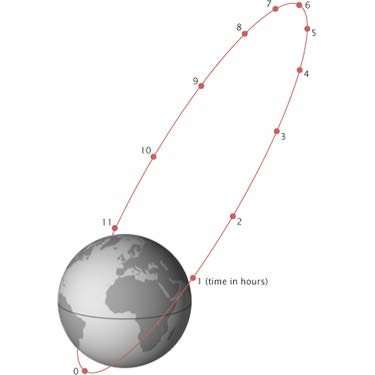
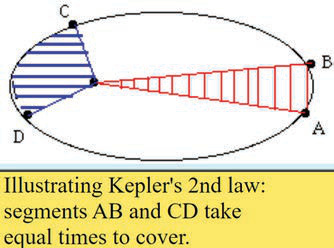
Friend of the Flash, Jack Anthony, wrote about the Molniya orbit in a couple of his “Jack's Astro Corner” articles. For those who might need a refresher I give you the following excerpts from the 3 July and 17 July 2022 Final Frontier Flashes. Let's take a closer look at the HEO orbit like this and introduce Kepler's…
20 Dec: China launched a Long March 3B with the Tongxin Jishu Shiyan (TJS)-12 (62374) from Xichang. According to official sources, the satellite has entered the planned orbit and will be used for satellite communications, radio and television, data transmission, other services and tests of related technologies. TJS-12…
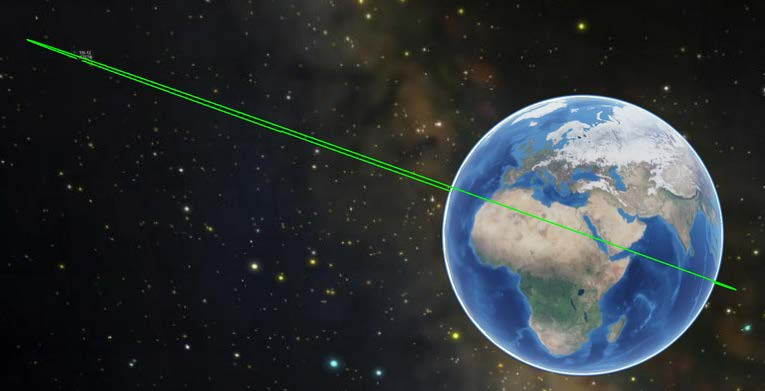

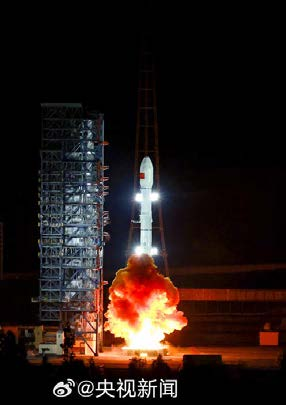
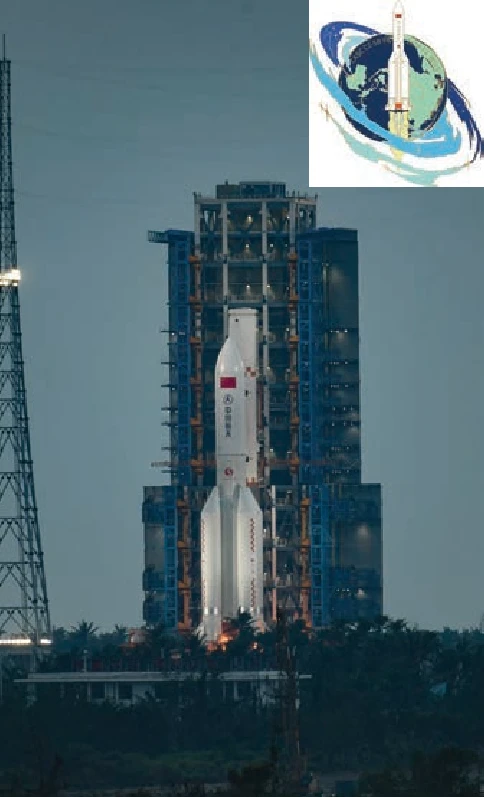
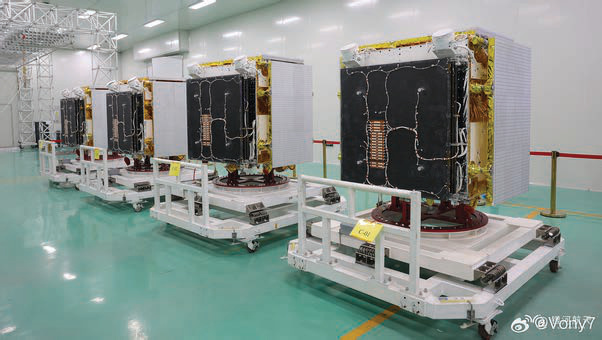
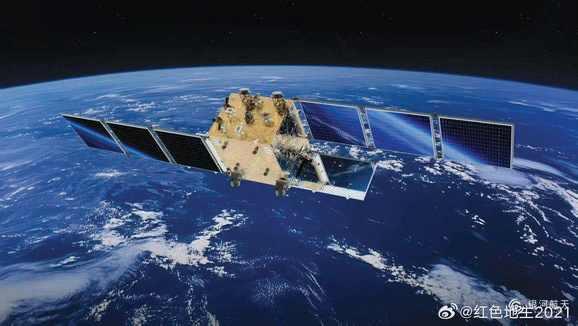
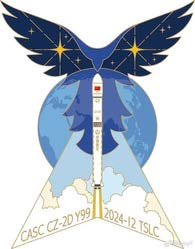
16 Dec: China used its most powerful rocket, the Long March-5B Y6 with a Yuanzheng-2 upper stage to launch the first group of 10 SatNet LEO (Guowang) satellites from Wenchang. Official sources noted “the satellites successfully entered the predetermined orbit and the launch mission was a complete success.” Launch Video…
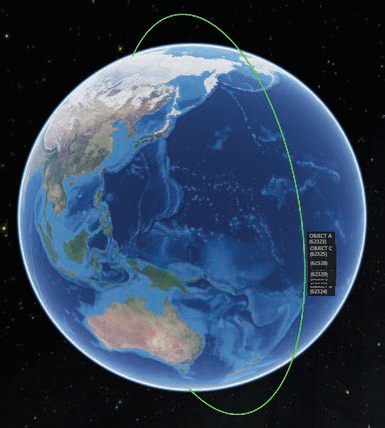
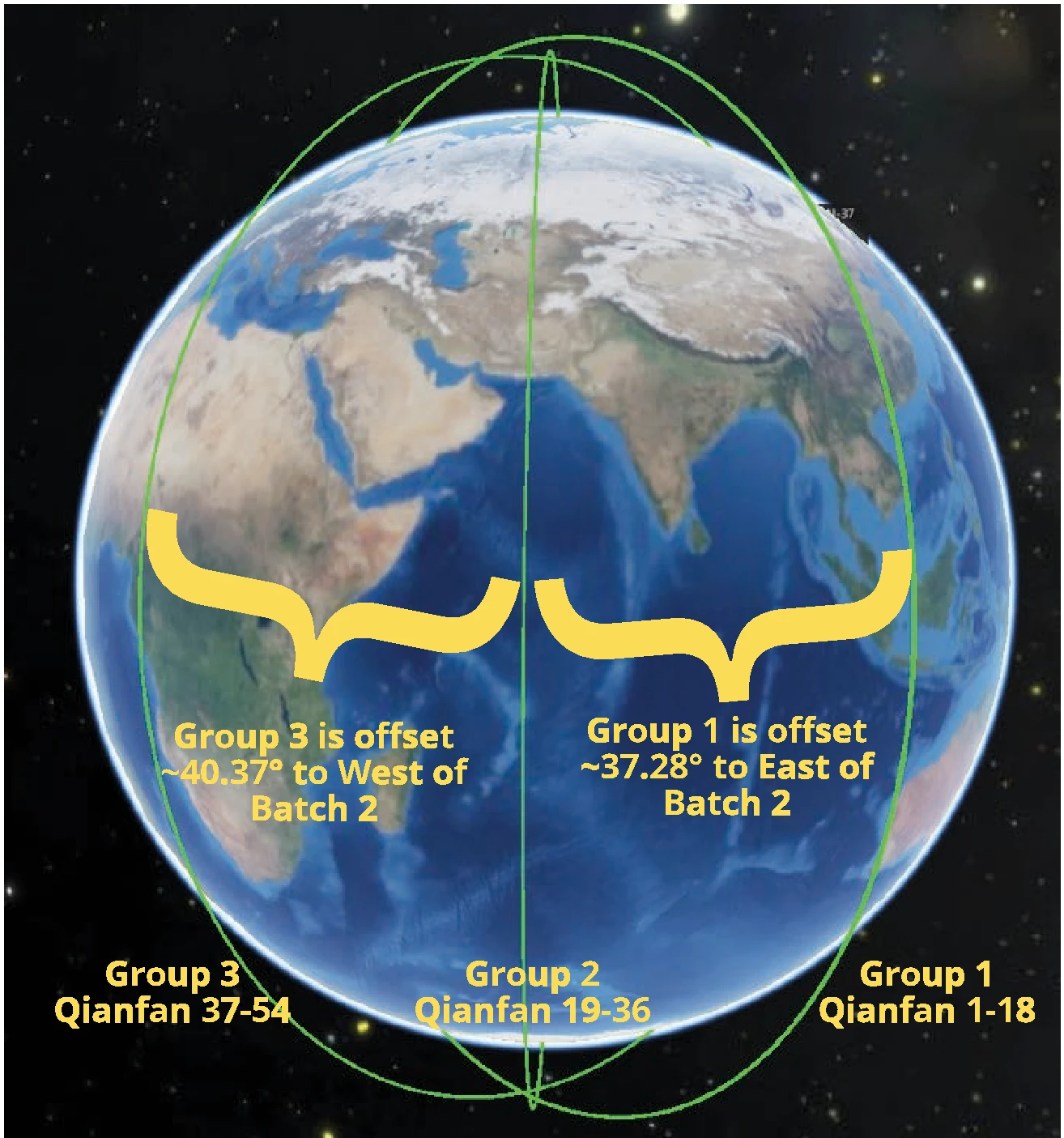
21 Dec: We now have orbital information on the third batch of 18 Qianfan satellites (Qianfan 37-54 ) China launched on 5 Dec 2024. Below is an initial analysis of the deployment. -All of the Qianfan satellite orbits are inclined 89°. However they are not all co-planar as there is a RAAN offset. All three launches used…
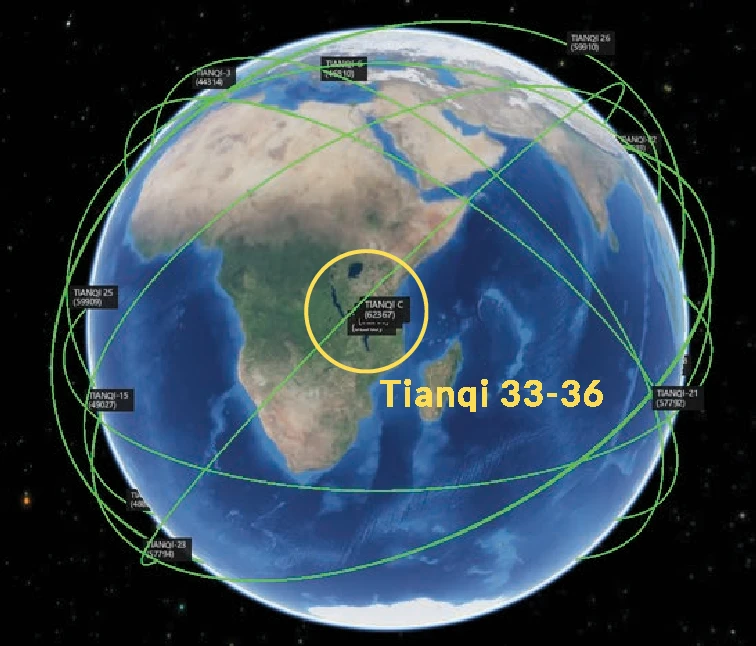
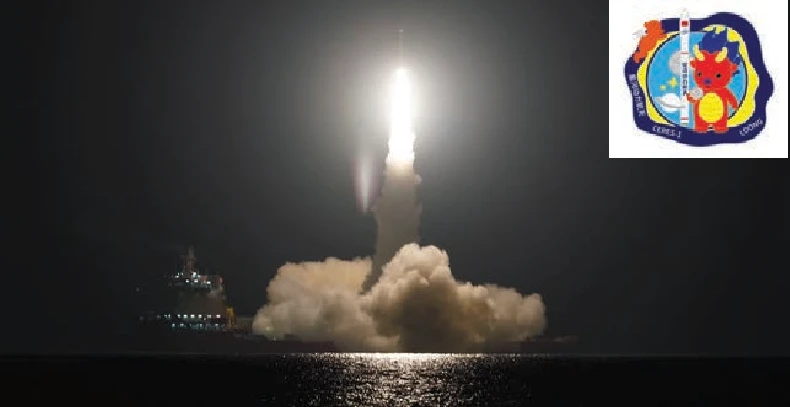
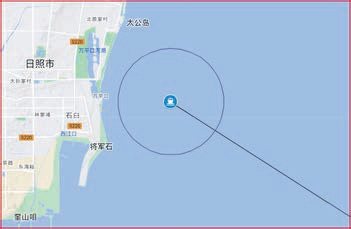
19 Dec: Chinese commercial company, Galactic Energy, completed its fourth successful Ceres-1S sea launch (15 of 16 total launches have been successful). The Ceres-1S launched four Tianqi satellites (Tianqi-33 ~ 36, 62365-68), from a sea platform located near the Shandong Province, China. According to official sources…
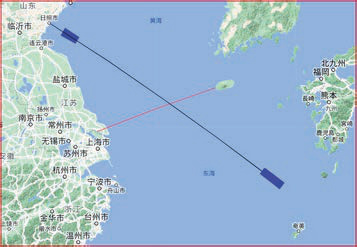

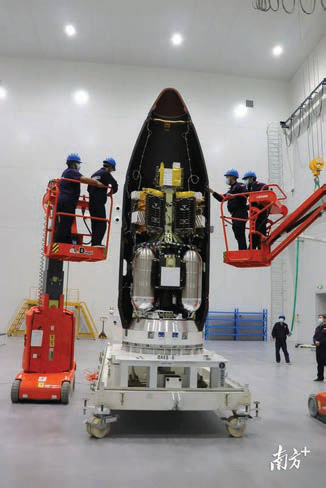
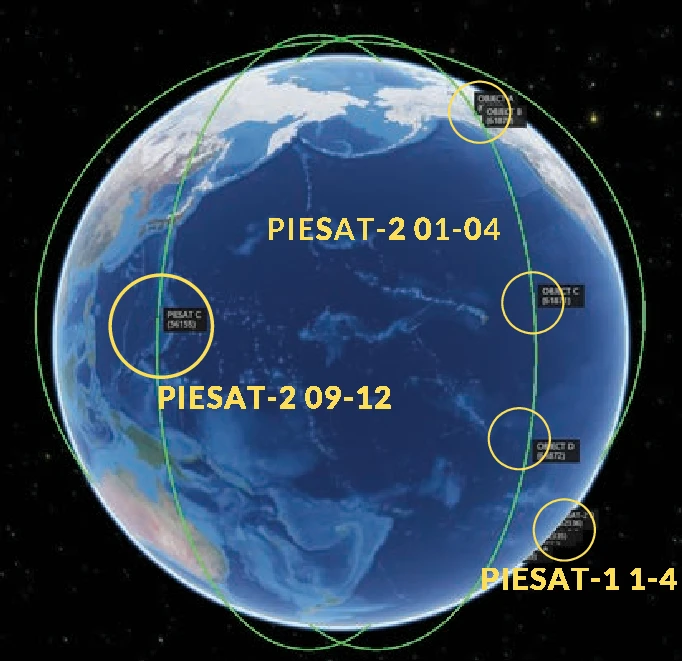
16 Dec: China launched a Long March-2D with four PIESAT-2 satellites (PIESAT-2 09-12 ) from Taiyuan. According to official sources, the PIESAT-02 09-12 satellites were designed and manufactured by GalaxySpace and will be “mainly used for synthetic aperture radar (SAR) imaging, with high-precision imaging capability”…

Flash Insider
Subscribe to unlock full access to this Issue and the complete Flash archive.
Subscribe Now Already Subscribed? Log In « BackInsider feature
Download any issue or article as a brief-ready PDF or clean HTML. Become a Flash Insider to unlock exports and the full archive.
See Insider plans Already an Insider? Log in