
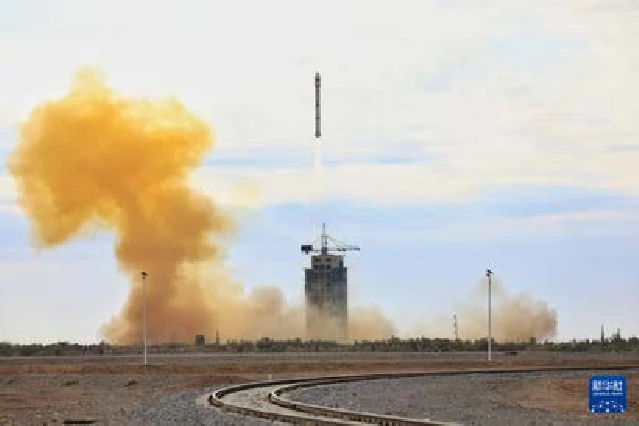
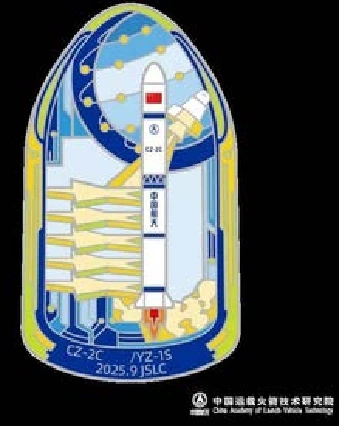
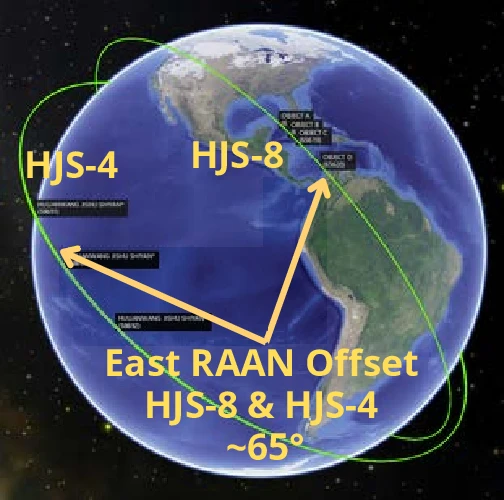
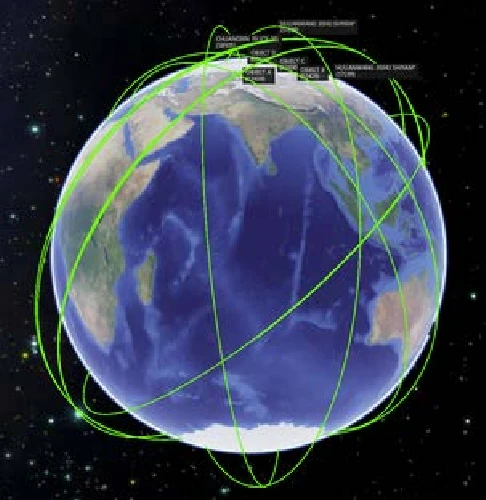
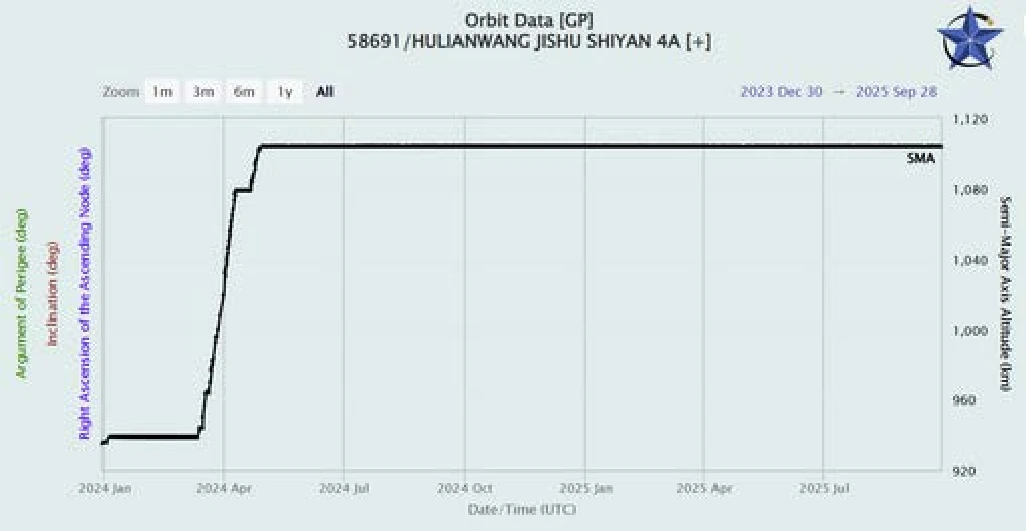
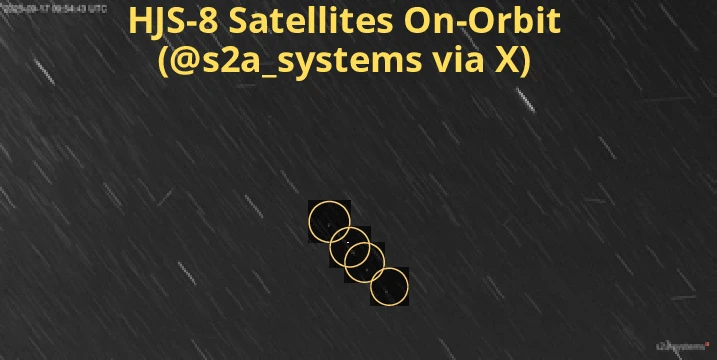



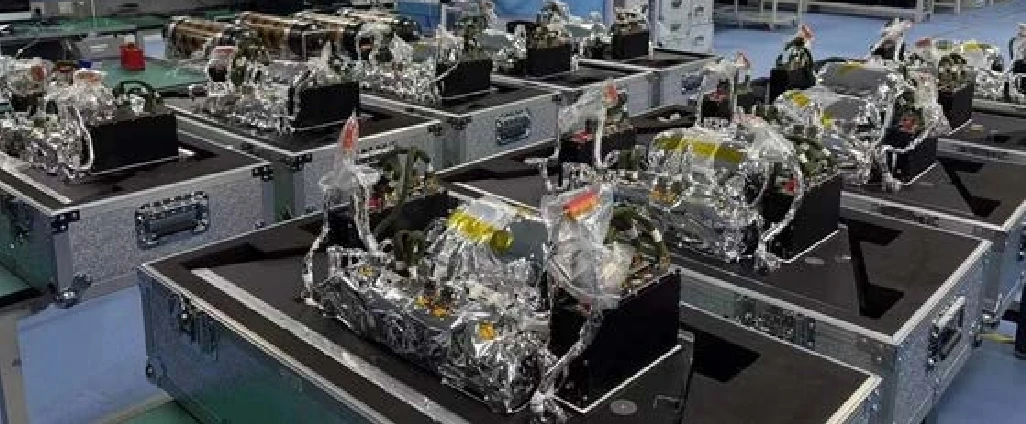
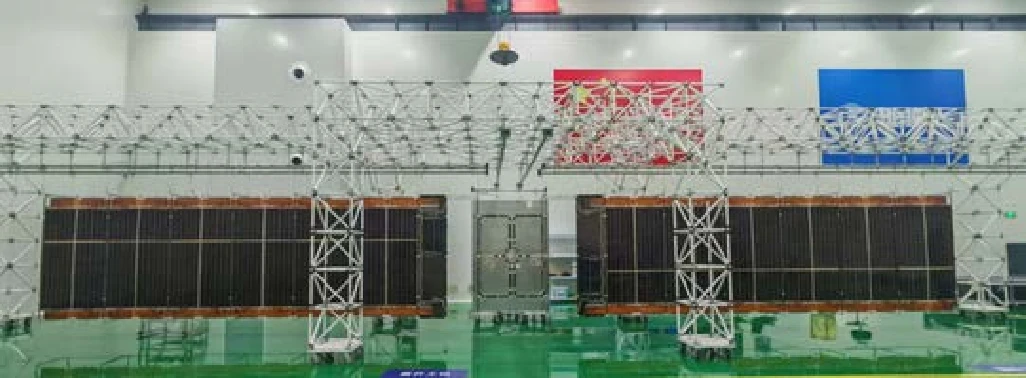
16 Sep 2025: China launched a Long March-2C with a Yuanzheng-1S upper stage carrying 4 test satellites for the Guowang constellation (65617-65620) from Jiuquan. Jonathan McDowell has labeled the satellites Hulianwang Jishu Shiyan-8 A-D (HJS-8) which is what I’m going with. According to official sources, all 4 HJS-8…
27 Sep 2025: As predicted in the previous Flash , China circularized Yaogan (YG)-45's (65563) and the satellite is now orbiting Earth at an average altitude of 7,500km. This is China’s first Yaogan satellite in Medium Earth Orbit (defined as 2,000 Inner Van Allen radiation belt. The inner Van Allen belt typically…
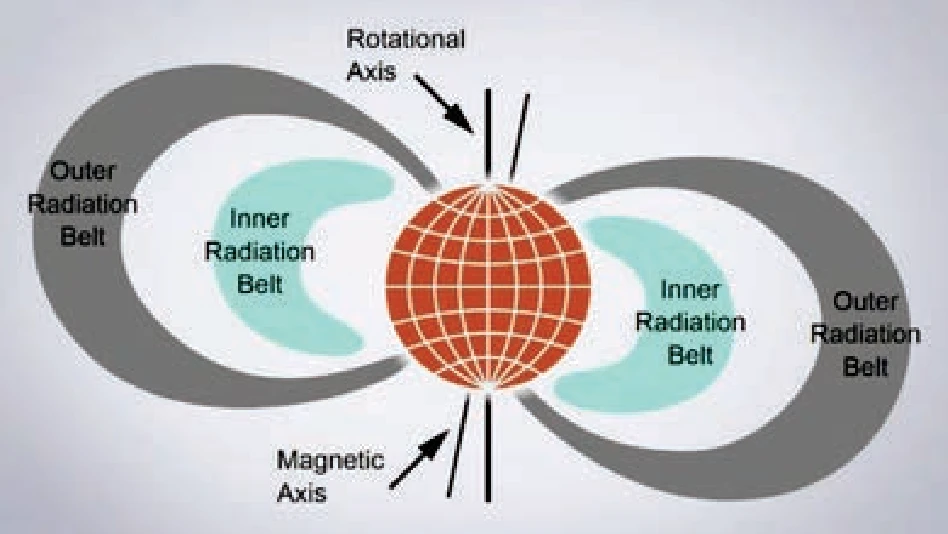
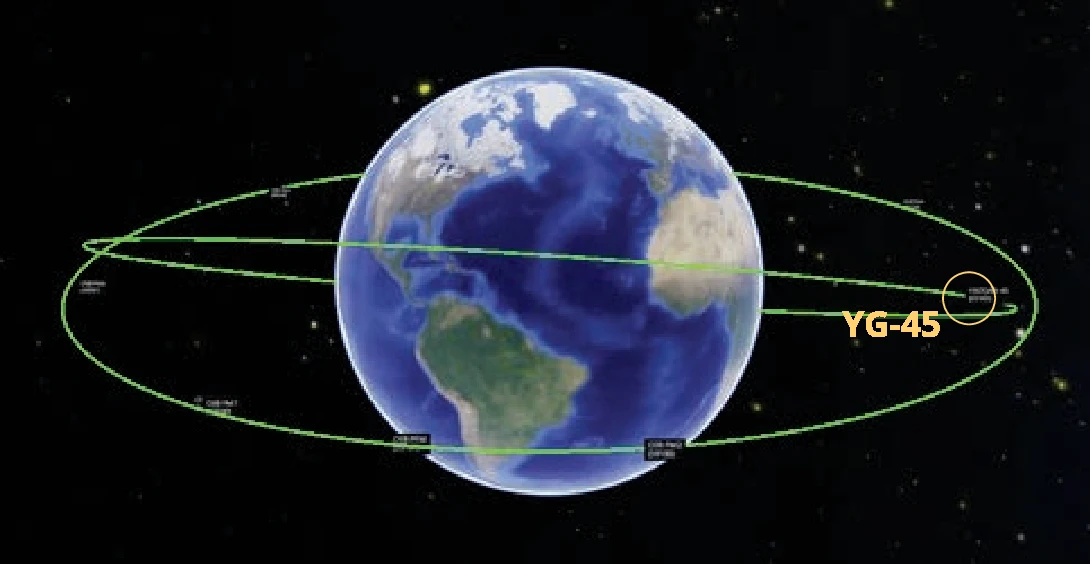
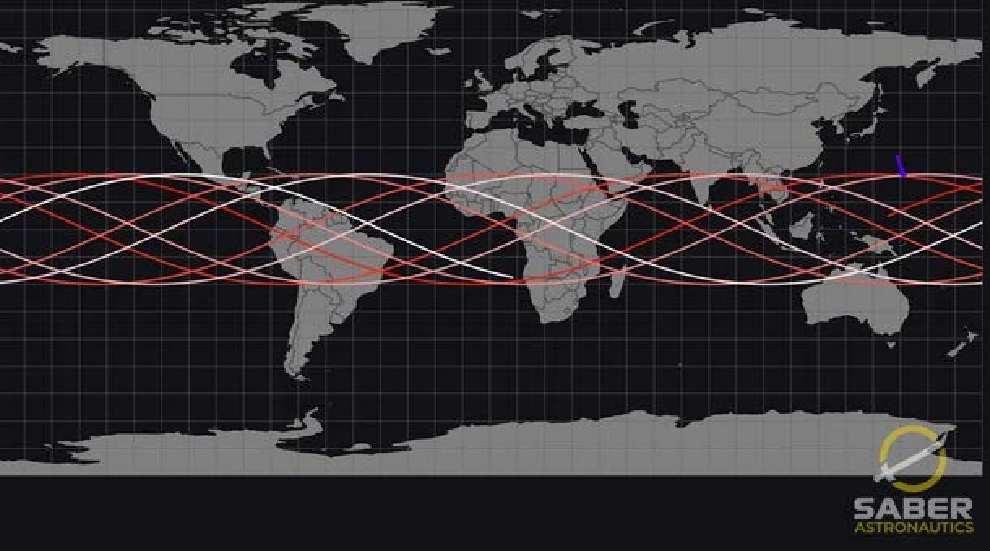
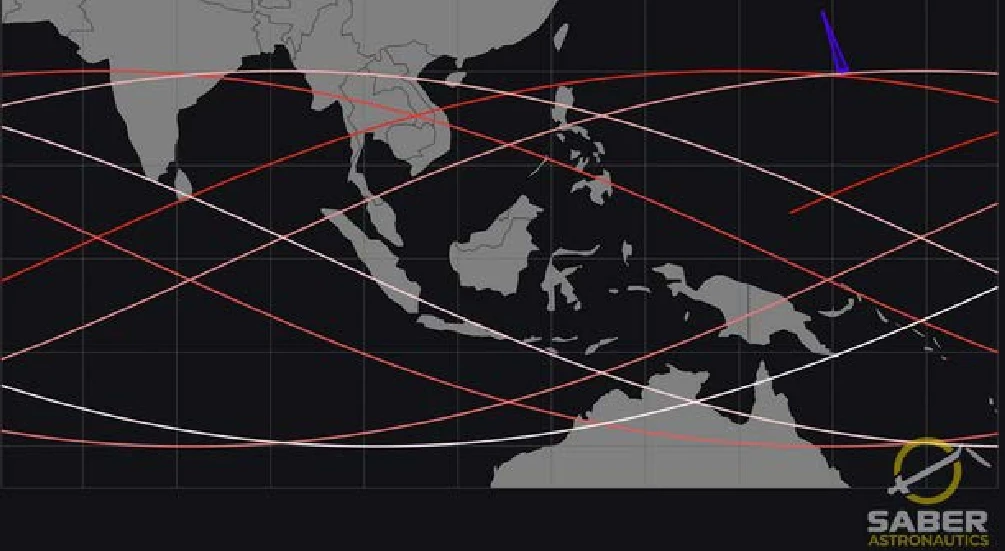

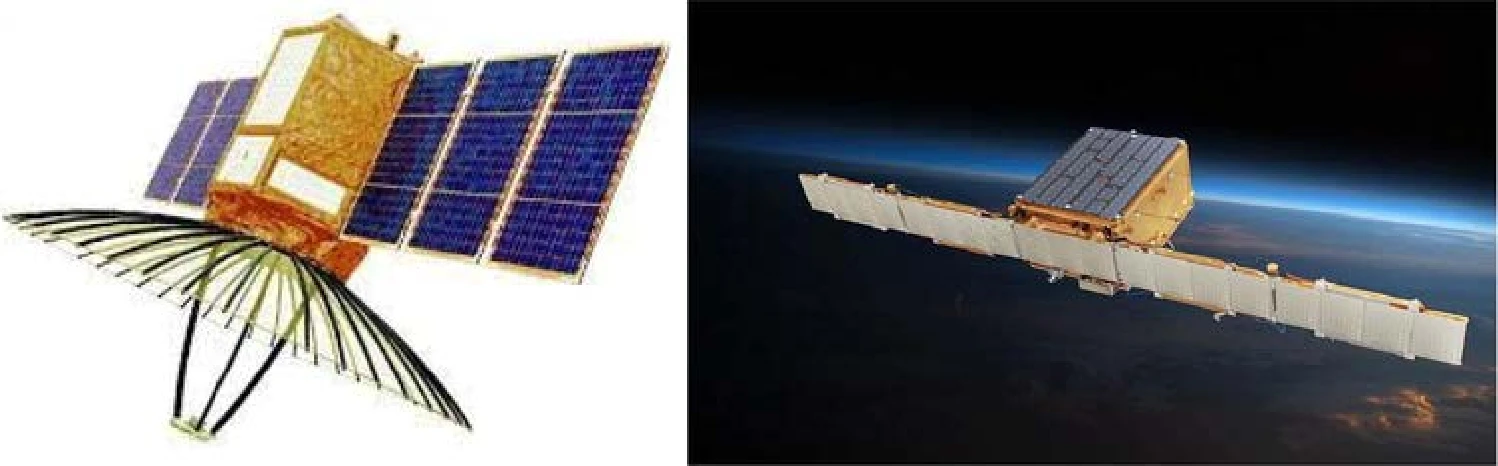
It’s a stretch but YG-45’s Mission Patch (left) still suggests a side-looking SAR mission to me. Unknown if sensitive SAR antennas, eitherpassive (above left) or active (above right) could survive & operate inthe Inner Van Allen Belt (nasaspaceflight.com & www.janss.kr)
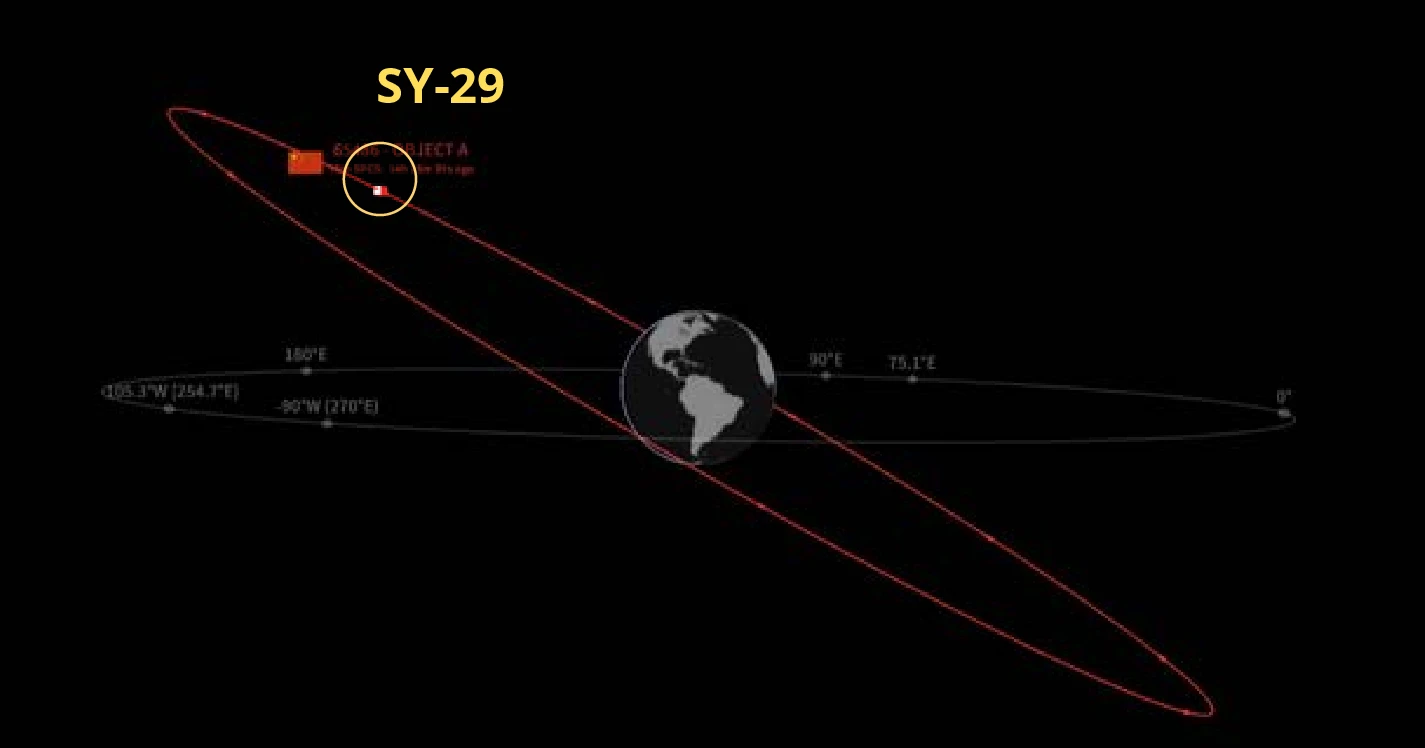
27 Sep 2025: China’s Shiyan-29 satellite (65486) continues to orbit above GEO. Recall China launched SY-29 on 5 September and we noted that it was in an unusual orbit . SY-29 has an average altitude of 36,185km, which is ~400km greater than the GEO belt. As a result, SY-29 is moving westward 5.4°/day in relation to the…
26 Sep 2025: China launched a Long March-4C with the FengYun-3H (FY-3H) meteorological satellite from Jiuquan. According to official sources, FY-3H was successfully placed into a Sun-synchronous orbit and is equipped with nine remote sensing payloads and “will primarily support monitoring and research activities in…
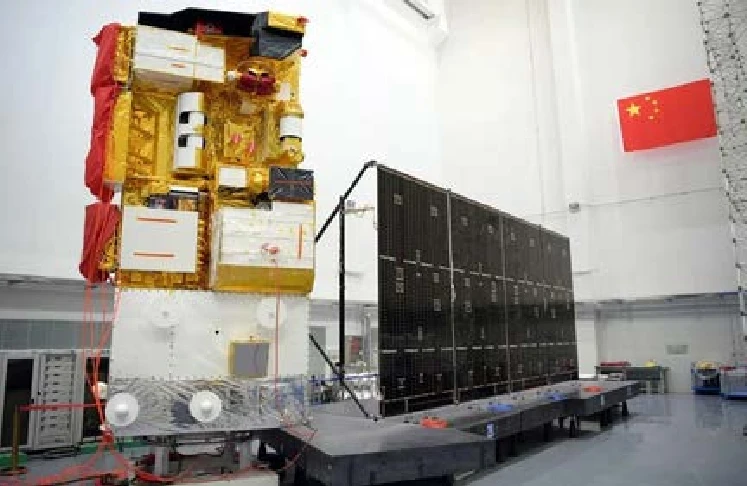
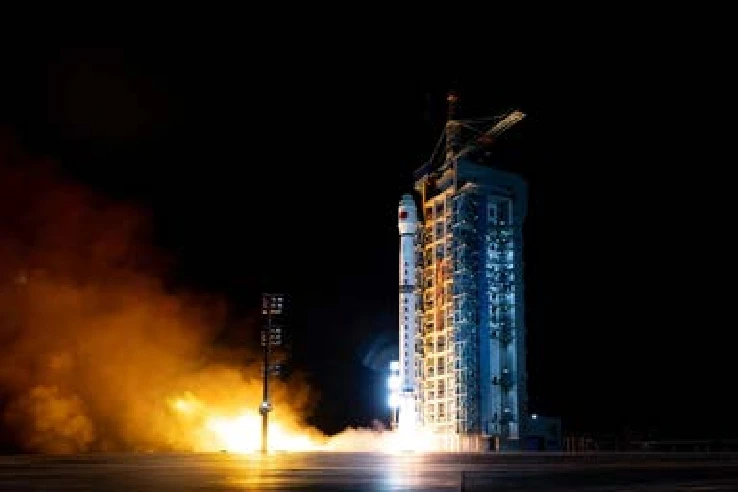
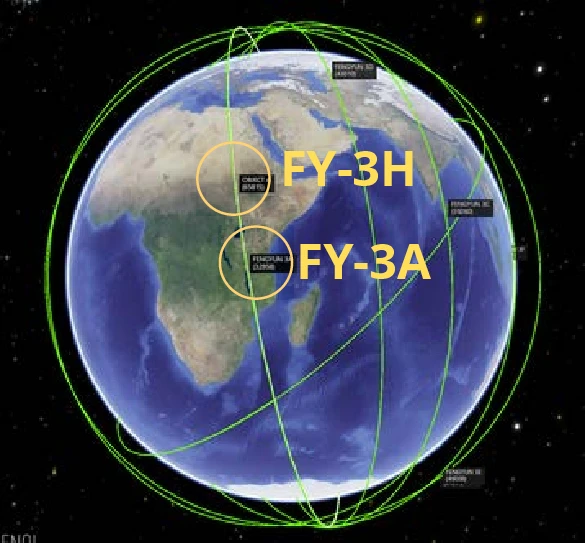
FY-3H Preparing for Launch (left), LM-4C Lift Off with FY-3H (middle), LEO FYConstellation (right) (nasaspaceflight.com & spaceaware.io)
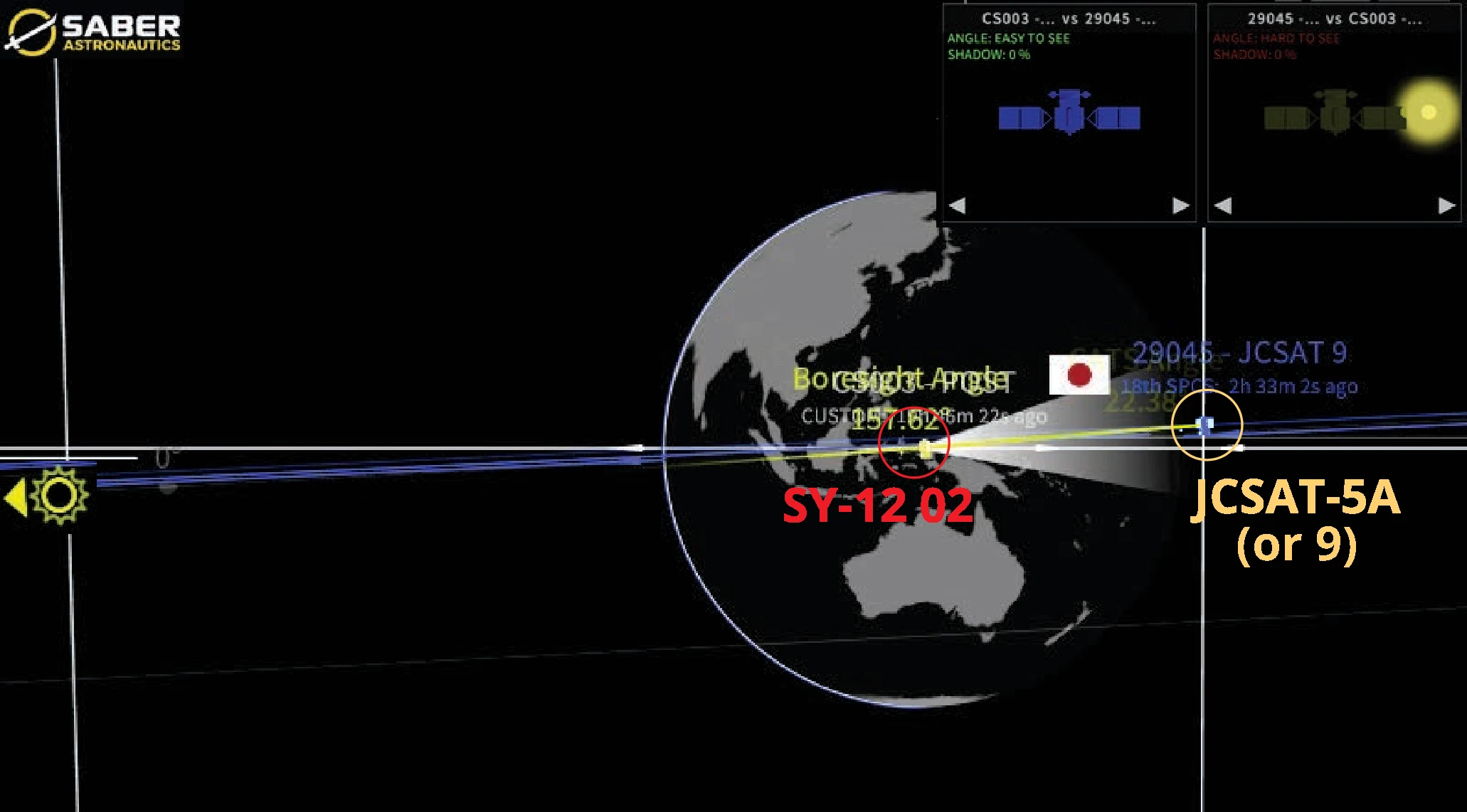
24 Sep 2025: Shiyan-12 02 (50322) conducted a minor maneuver to increase its distance from JCSAT 9 (29045). JCSAT 9 is a Japanese commercial communications satellite launched in 2006, and is also listed as JCSAT 5A in some sources. As a result of SY-12 02's maneuver the point of closest approach between the two objects…
24 Sep 2025: Chinese company Geely, launched its 6th group of satellites (65712-65723) on a Jielong-3 from the waters off the Rizhao coast. This was the third consecutive sea based launch of the Jielong-3 in the past 6 weeks. Cumulatively, the launches placed 33 network satellites and one test satellite into their…
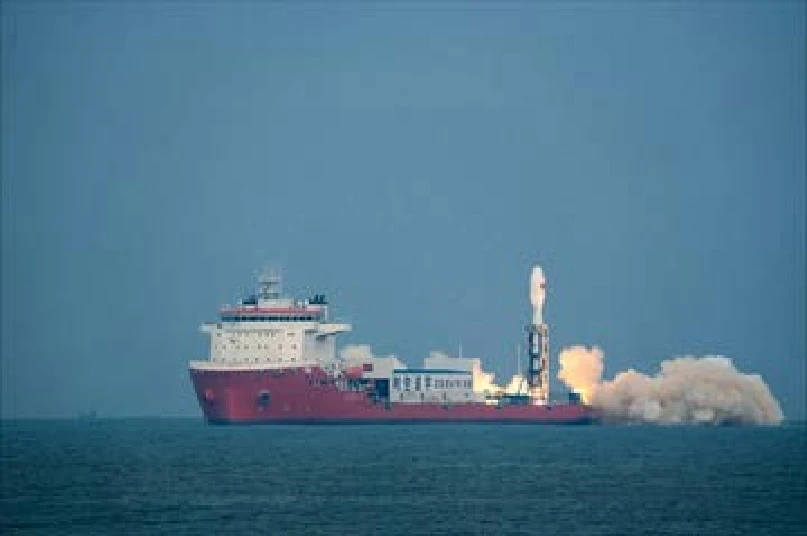
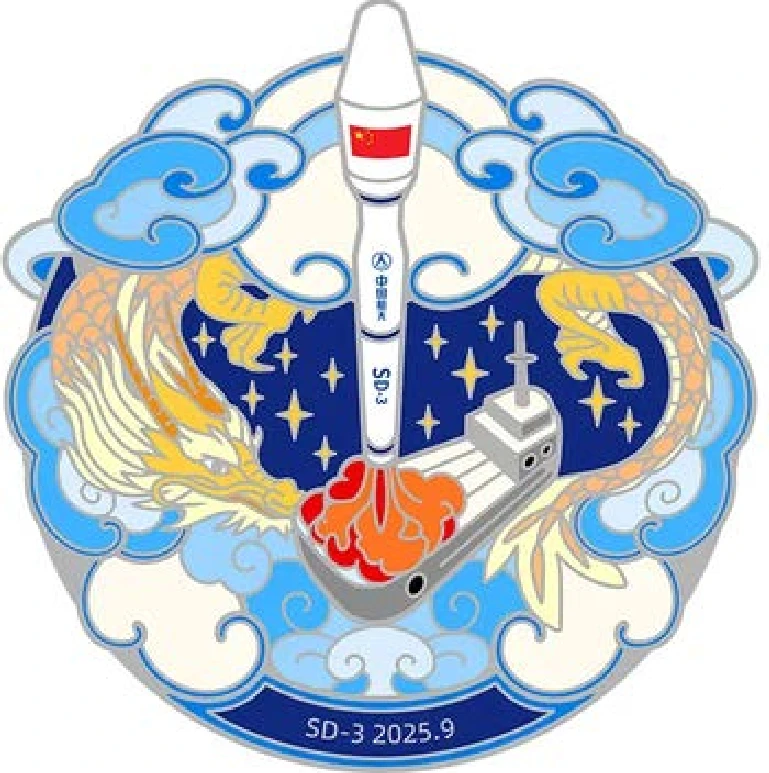
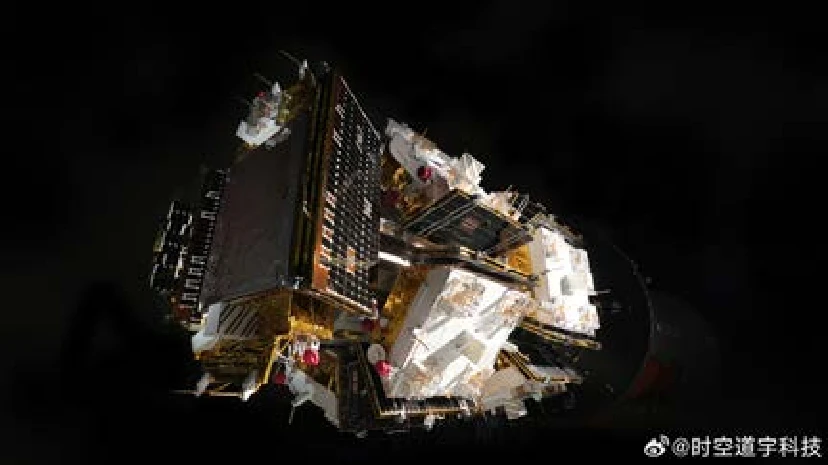
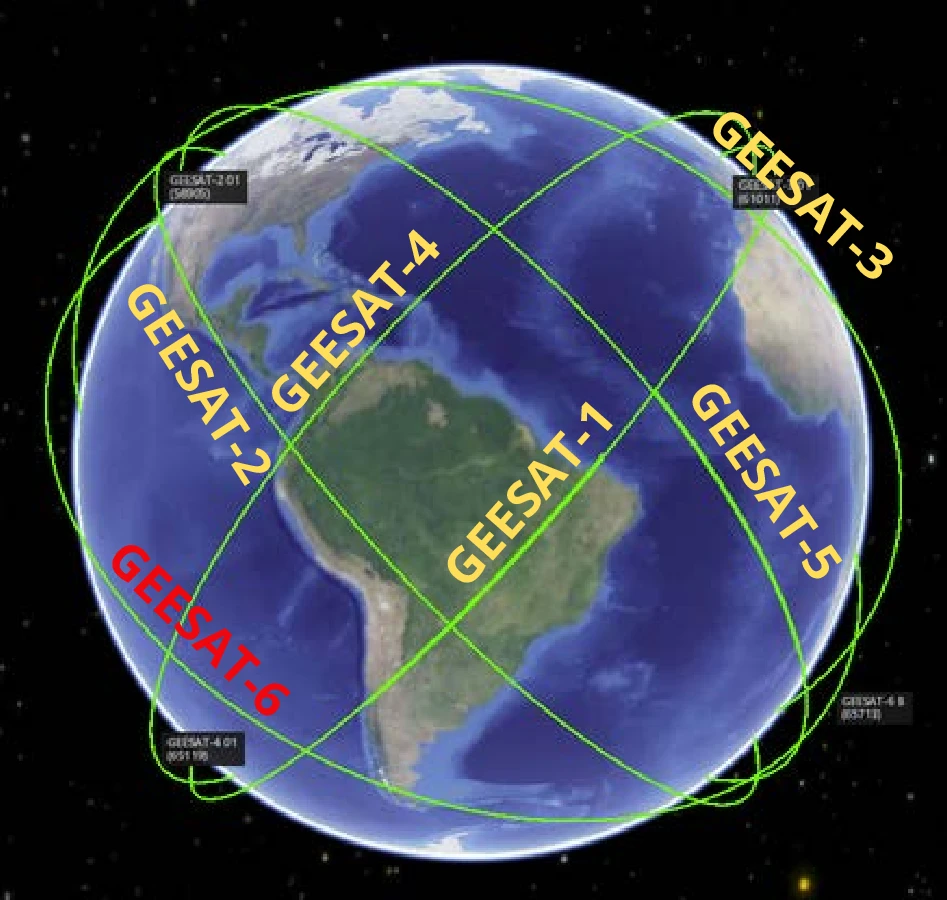
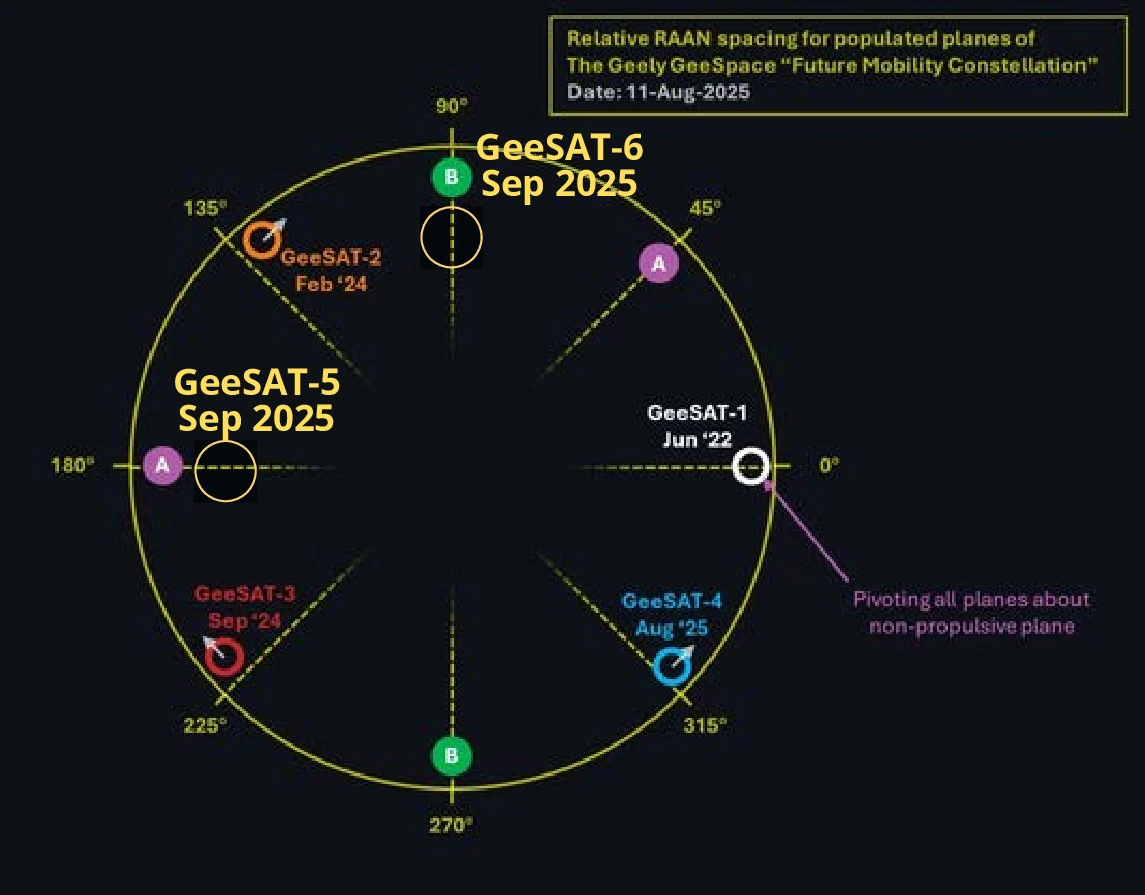
Selected space images and visual highlights from the fortnight.
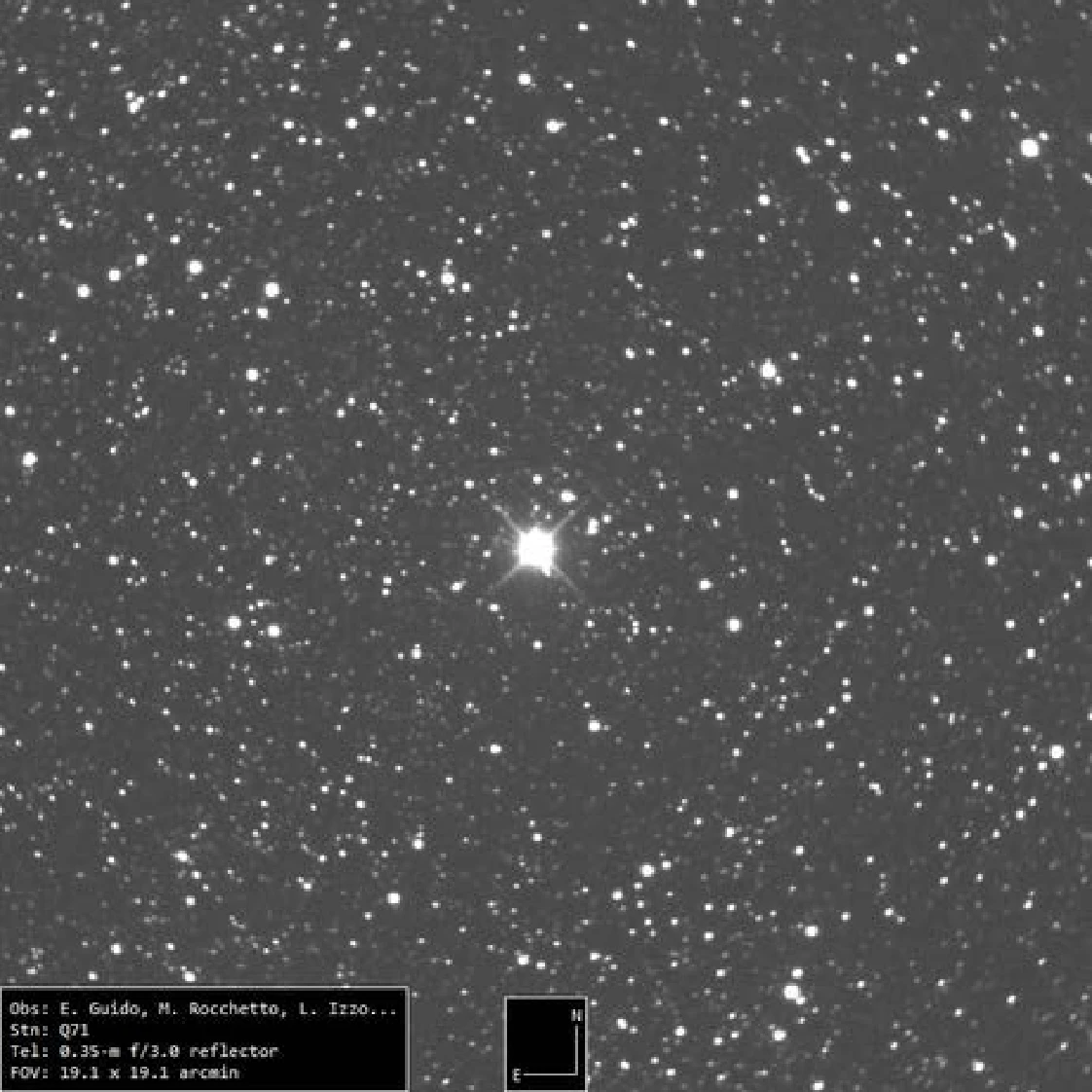
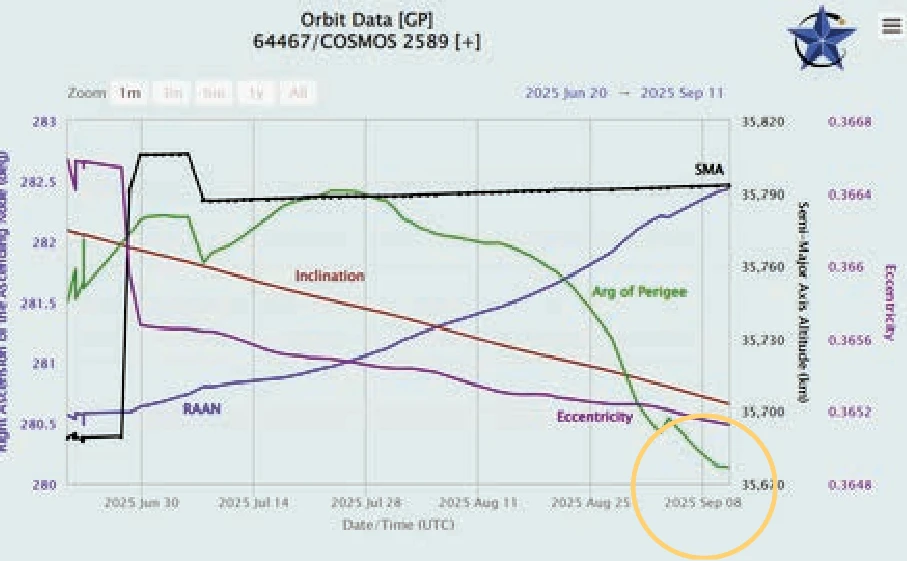
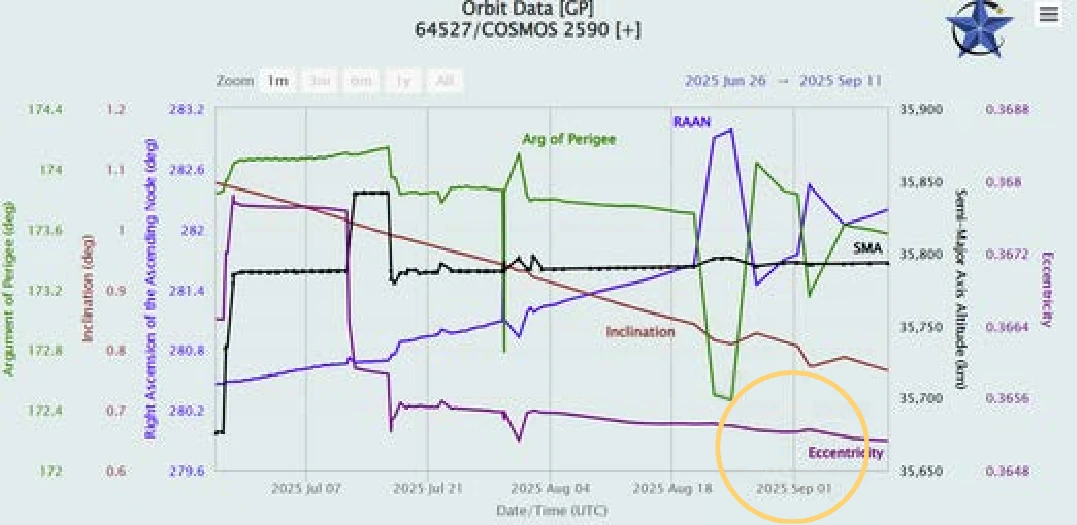
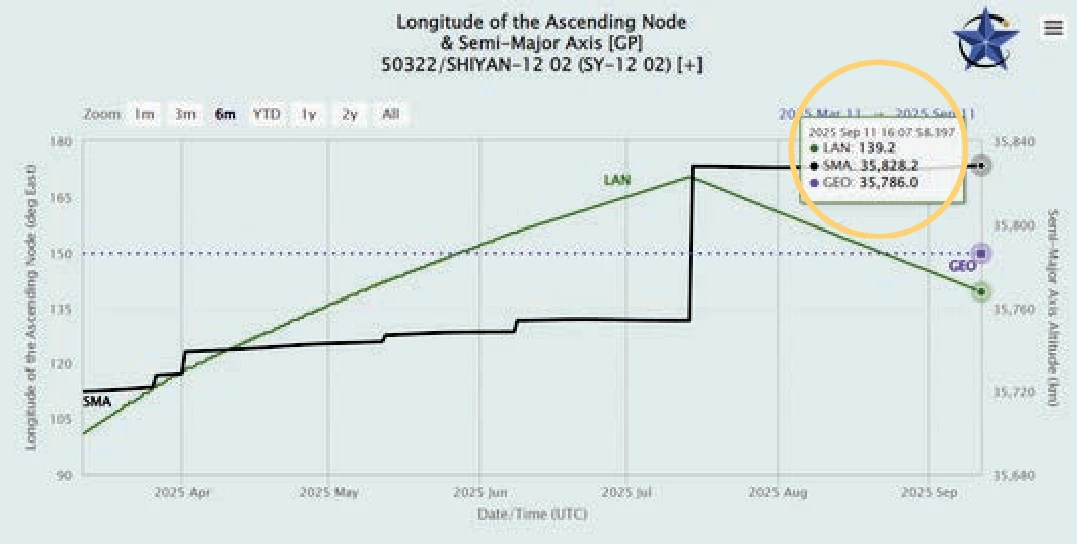
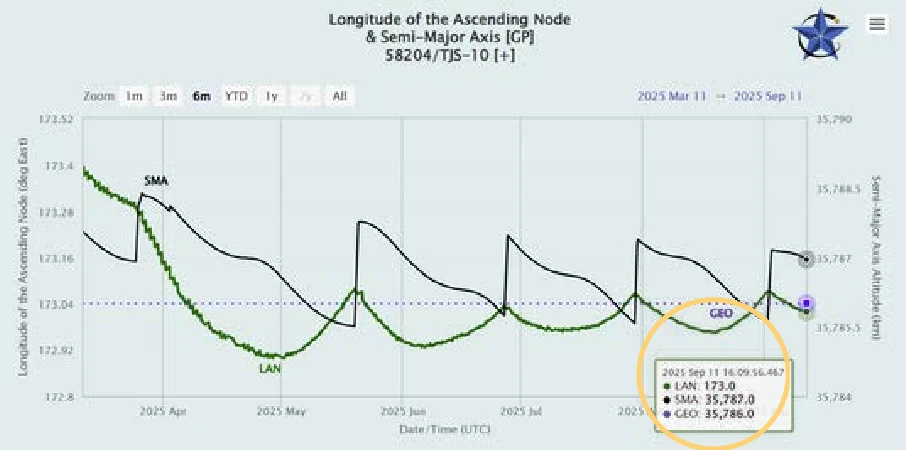
Everything OK at space-track.orgr Orbital Updates Missing since 11 Sep 2025 |Tor Key GEO Objects (at least when I last checked an 27 Sep)calaatente sear |
Flash Insider
Subscribe to unlock full access to this Issue and the complete Flash archive.
Subscribe Now Already Subscribed? Log In « BackInsider feature
Download any issue or article as a brief-ready PDF or clean HTML. Become a Flash Insider to unlock exports and the full archive.
See Insider plans Already an Insider? Log in